Virtual Reality vs. Augmented Reality in Tourism: What’s the Difference?
In the evolving landscape of tourism, Virtual Reality (VR) and Augmented Reality (AR) have emerged as powerful technologies redefining how we...
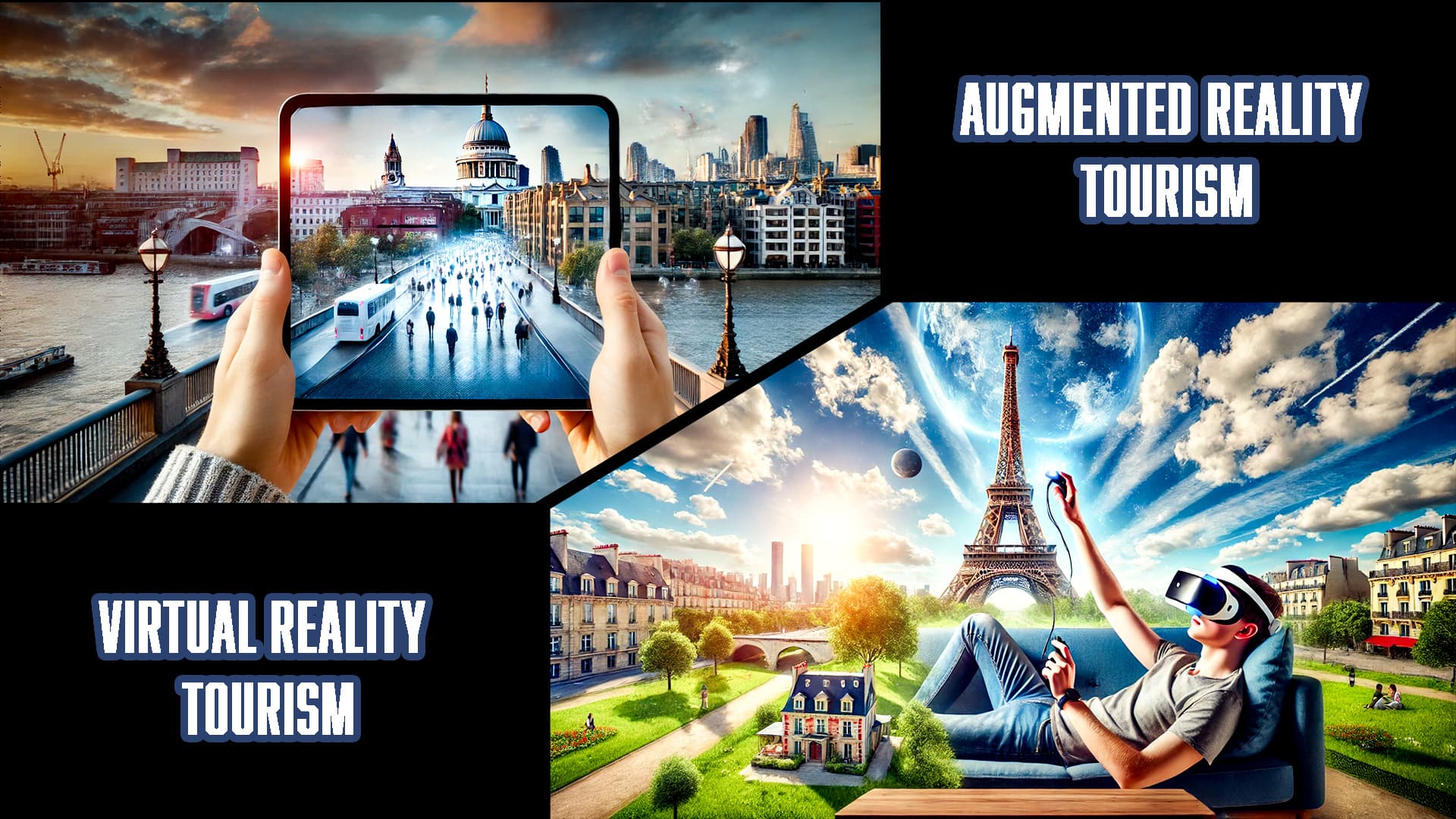
In the evolving landscape of tourism, Virtual Reality (VR) and Augmented Reality (AR) have emerged as powerful technologies redefining how we explore and engage with the world. While VR transports users to entirely new, digitally-created environments, AR enhances the real world with interactive digital overlays. Both technologies offer unique opportunities to enrich the travel experience, but each functions in distinct ways that appeal to different types of travelers. As the tourism industry embraces these innovations, it’s clear that the future of travel will be increasingly intertwined with immersive and interactive digital experiences.
Defining Virtual Reality (VR) and Augmented Reality (AR) in Tourism
Virtual Reality and Augmented Reality are two sides of the same coin, yet they offer vastly different experiences. VR immerses the user in a fully simulated environment, disconnecting them from their physical surroundings. For tourism, this can mean exploring exotic destinations or historical landmarks without ever leaving one’s home. On the other hand, AR enhances the existing world by adding digital elements to it, creating a blended experience. This allows travelers to interact with their surroundings in real-time while benefiting from layers of additional information or entertainment, enhancing their understanding of a location or culture.
Why Technology is Revolutionizing the Travel Experience
The incorporation of VR and AR in tourism is more than a novelty—it's a game-changer. These technologies break down barriers, making it easier for people to experience destinations they may never have the chance to visit physically. Whether it’s reducing travel costs or providing accessibility for those unable to embark on physical journeys, technology is democratizing the travel experience. Furthermore, VR and AR create more personalized, engaging, and memorable encounters, often leaving a lasting impact on users.
What is Virtual Reality in Tourism?
Immersive Travel: Experiencing Destinations Without Leaving Home
Virtual Reality has introduced a new concept in tourism—immersive travel. Through VR, users can step into digitally recreated environments that mimic real-world locations. Whether it's a bustling street market in Tokyo or the serene landscapes of the Sahara Desert, VR enables users to "travel" from the comfort of their own homes. These experiences can be so detailed and realistic that they evoke the same emotional and sensory responses as physical travel.
How VR Creates Fully Realized Environments for Travelers
VR leverages cutting-edge technology to simulate environments in painstaking detail. From the architectural intricacies of a landmark to the ambient sounds of a location, VR creates a sensory experience that mimics reality. By using 3D modeling, photorealistic rendering, and spatial audio, travelers can explore fully realized worlds, offering an alternative or complementary option to traditional tourism.
Popular VR Applications in Tourism
Some of the most popular applications of VR in tourism include virtual tours of museums, national parks, and historical sites. Additionally, travel agencies and tourism boards are adopting VR to showcase destinations, giving potential tourists a taste of what they can expect before booking their trip. Events like virtual safaris or space exploration simulations have also gained popularity, expanding the horizons of what it means to travel.
What is Augmented Reality in Tourism?
Enhancing Reality: Blending Real-World Experiences with Digital Overlays
Unlike Virtual Reality (VR), which immerses you entirely in a digital world, Augmented Reality (AR) enhances your perception of the real world by overlaying digital information onto your physical environment. For travelers, AR represents a transformative tool, enriching their experiences and interactions with the world around them.
AR's Role in Enriching On-Site Exploration for Travelers
AR technology brings a new dimension to travel by allowing users to interact with their surroundings in real-time. Travelers can use AR apps to access a wealth of contextual information as they explore, making their journeys more immersive and informative. For example, AR can overlay historical facts, navigation aids, and even local recommendations directly onto the physical world, turning every tour into a dynamic, interactive experience.
Examples of AR in Tourist Attractions and City Guides
AR is already making waves in tourist attractions and city guides around the globe. Museums are incorporating AR to offer interactive exhibits that bring artifacts and exhibits to life, providing a deeper understanding of their significance. City tours are enhanced with AR technology, allowing users to scan landmarks and receive detailed information, historical context, or multimedia content directly on their devices.
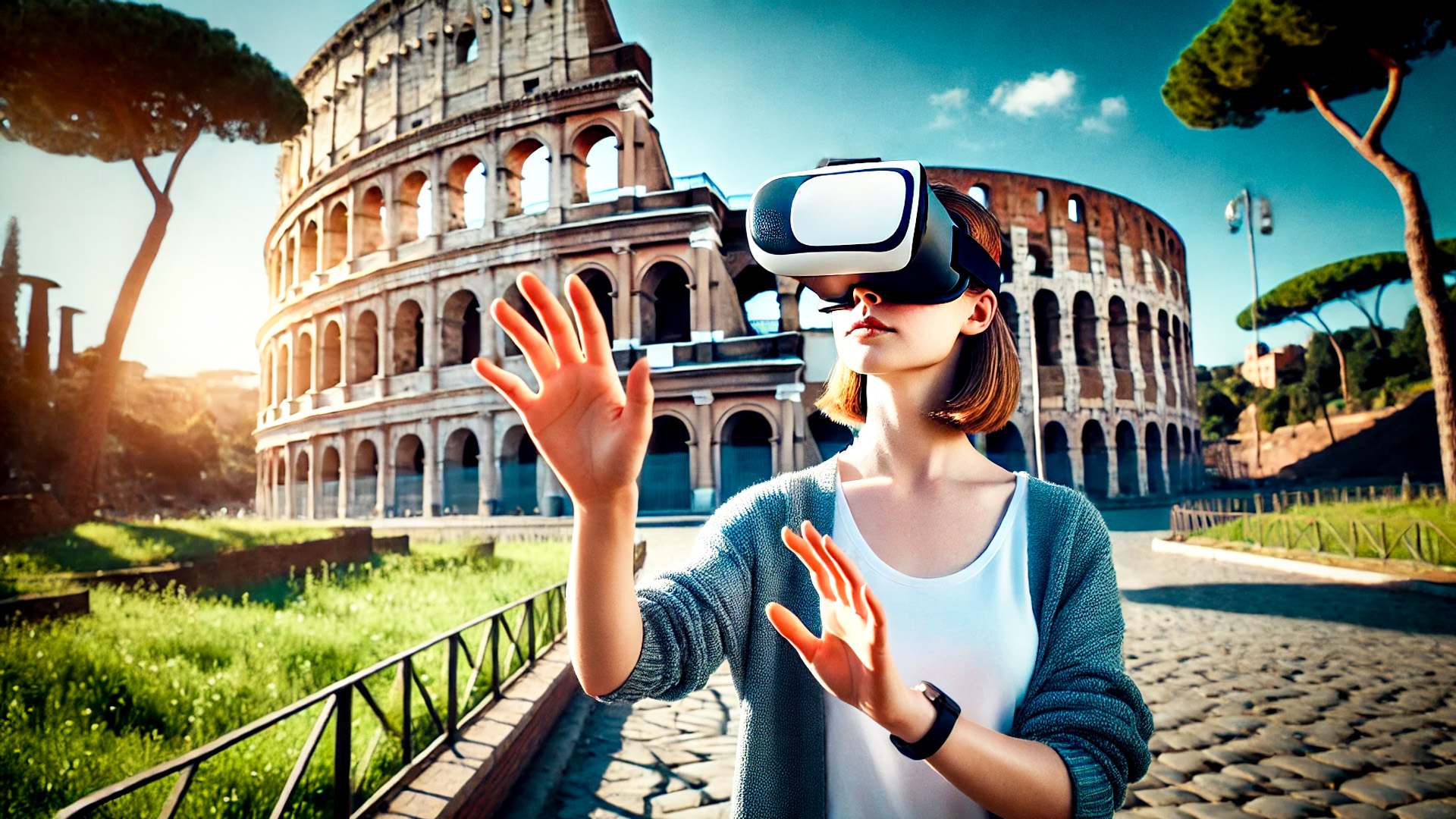
For instance, in cities like Rome, travelers can point their smartphones at historical sites like the Colosseum to view augmented 3D reconstructions of how the structure appeared during its peak. Similarly, AR city guides can offer real-time language translation, helping visitors navigate and interact with local culture more effectively. These applications not only enrich the travel experience but also make exploration more accessible and engaging.
Comparing VR and AR: Key Differences in Functionality
Complete Immersion vs. Digital Enhancement: A Core Distinction
The distinction between Virtual Reality (VR) and Augmented Reality (AR) fundamentally lies in their approach to immersion. VR creates a wholly virtual environment, effectively isolating users from the real world and placing them into a simulated experience. This immersive approach can transport users to entirely new places or scenarios, making it ideal for comprehensive virtual tours or deep engagement in a completely digital setting.
In contrast, AR enhances the real world by overlaying digital information on top of the physical environment. This means users remain in their current surroundings while interacting with additional digital layers, such as contextual information or interactive elements. AR supplements and enriches real-world experiences without removing users from their physical context.
Accessibility and Equipment Needs: VR Headsets vs. AR on Mobile Devices
The equipment required for VR and AR highlights their different levels of accessibility. VR often demands specialized hardware, such as VR headsets and sometimes additional sensors or controllers. This equipment can be expensive and may require setup space, which limits its use to specific environments or pre-trip planning scenarios.
AR, on the other hand, is generally more accessible as it relies on devices that most people already carry, like smartphones or tablets. This accessibility makes AR particularly suitable for on-the-go travel experiences, allowing users to interact with their surroundings using the devices they already have. AR’s reliance on mobile technology also means that it can be more easily integrated into everyday travel activities.
Levels of Engagement: The Depth of Interaction in Each Technology
The depth of interaction offered by VR and AR differs significantly. VR provides a deeply immersive experience with few external distractions, making it well-suited for comprehensive virtual explorations or detailed, interactive experiences. The focus is on creating a fully engaging environment where users can lose themselves in the virtual world.
AR allows for real-time interaction with the physical world while adding digital layers. This makes AR particularly effective for practical applications, such as interactive city guides, enhanced museum exhibits, or contextual information during travel. AR’s strength lies in its ability to blend digital enhancements with real-world interactions, offering a more integrated and contextually relevant experience.
How VR Transforms the Travel Experience
Virtual Destination Previews: A New Way to “Try Before You Buy”
Virtual Reality (VR) is revolutionizing the way travelers decide on their next destination. By offering virtual previews, potential tourists can explore a destination's highlights and accommodations from their own homes. This "try-before-you-buy" approach allows travelers to immerse themselves in a virtual version of the location, experiencing its ambiance and attractions firsthand before committing to a booking. This method not only helps in making more informed decisions but also builds anticipation and excitement about the trip.
VR in Travel Marketing: Engaging Potential Visitors
VR is transforming travel marketing by offering interactive and immersive experiences that go beyond traditional advertising. Instead of static images or videos, VR campaigns allow potential visitors to engage with a destination in a deeply engaging way. By simulating the sights and sounds of a location, VR marketing can create a powerful emotional connection, making the destination more appealing and memorable. This heightened engagement often leads to higher conversion rates, as potential travelers can better envision their experience and are more likely to book a trip.
Simulated Adventures: The Future of Virtual Tourism
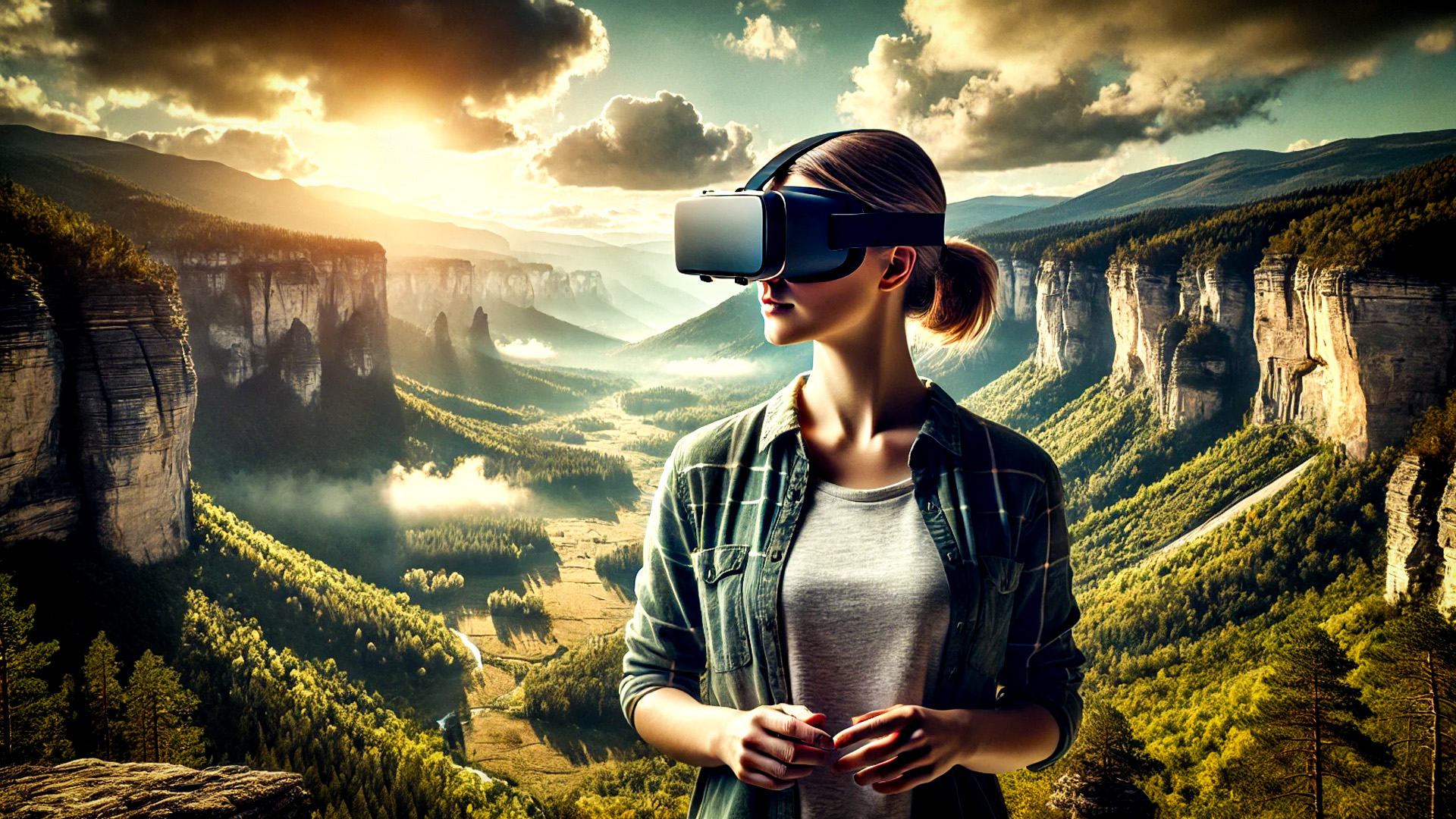
As VR technology continues to evolve, simulated adventures are becoming a more prominent feature of virtual tourism. These experiences enable users to embark on exciting virtual journeys, such as a safari in the Serengeti or an underwater exploration of coral reefs, without ever leaving their homes. Simulated adventures cater to those who may not have the opportunity to travel in person and provide a sustainable alternative to traditional tourism. By allowing people to experience the world's wonders in a virtual format, these simulations help protect natural environments while still offering thrilling experiences.
How AR Enhances Real-World Travel
Interactive City Tours: Using AR to Uncover Hidden Gems
Augmented Reality (AR) is revolutionizing city tours by offering travelers an interactive and dynamic way to explore urban environments. With AR apps, users can access real-time information about their surroundings, uncovering hidden gems such as lesser-known historical sites, quirky local shops, or charming eateries that might not be featured in traditional guidebooks. These interactive city tours transform travel into a more engaging and personalized adventure, helping tourists discover unique and authentic experiences tailored to their interests.
AR for Museums and Landmarks: Bringing History to Life
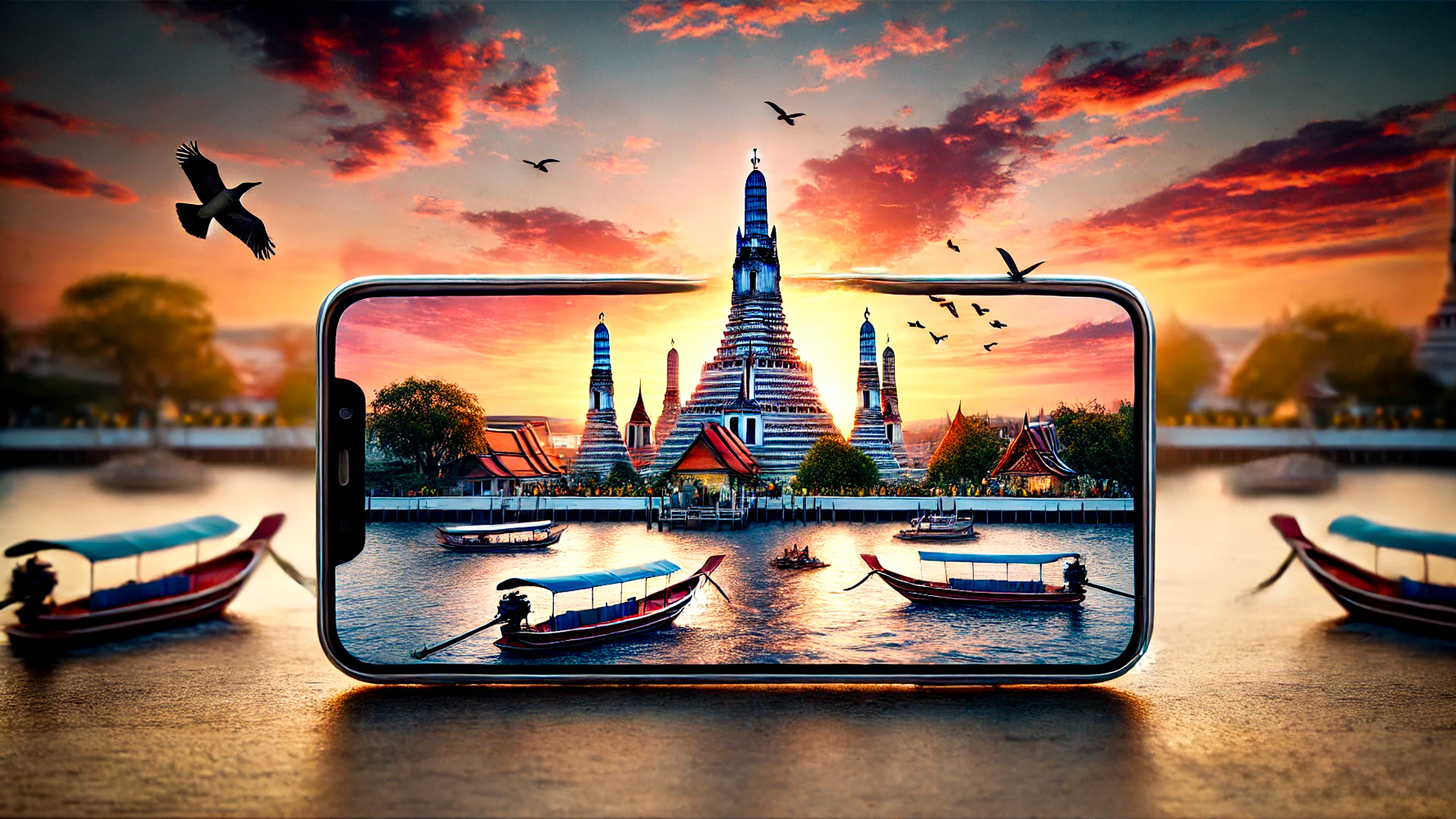
AR is transforming the way we experience museums and historical landmarks. By layering digital content over physical exhibits, AR enhances the educational value and engagement of these sites. Visitors can interact with 3D reconstructions of historical events, view detailed animations of artifacts, or receive contextual information that deepens their understanding. This technology shifts the museum experience from passive observation to active participation, making history and culture more accessible and vivid.
Enhancing Hotel Stays: Personalized, AR-Powered Guest Experiences
Hotels are increasingly adopting AR to elevate the guest experience. AR can provide interactive room service menus, virtual concierge services, and digital guides to local attractions. For instance, guests might use AR to view virtual tours of hotel amenities, access real-time information about nearby restaurants and activities, or receive personalized recommendations based on their preferences. This level of personalization and convenience enhances the overall guest experience, making stays more enjoyable and tailored to individual needs.
The Benefits of Virtual Reality in Tourism
Overcoming Travel Barriers: VR for Those Unable to Travel
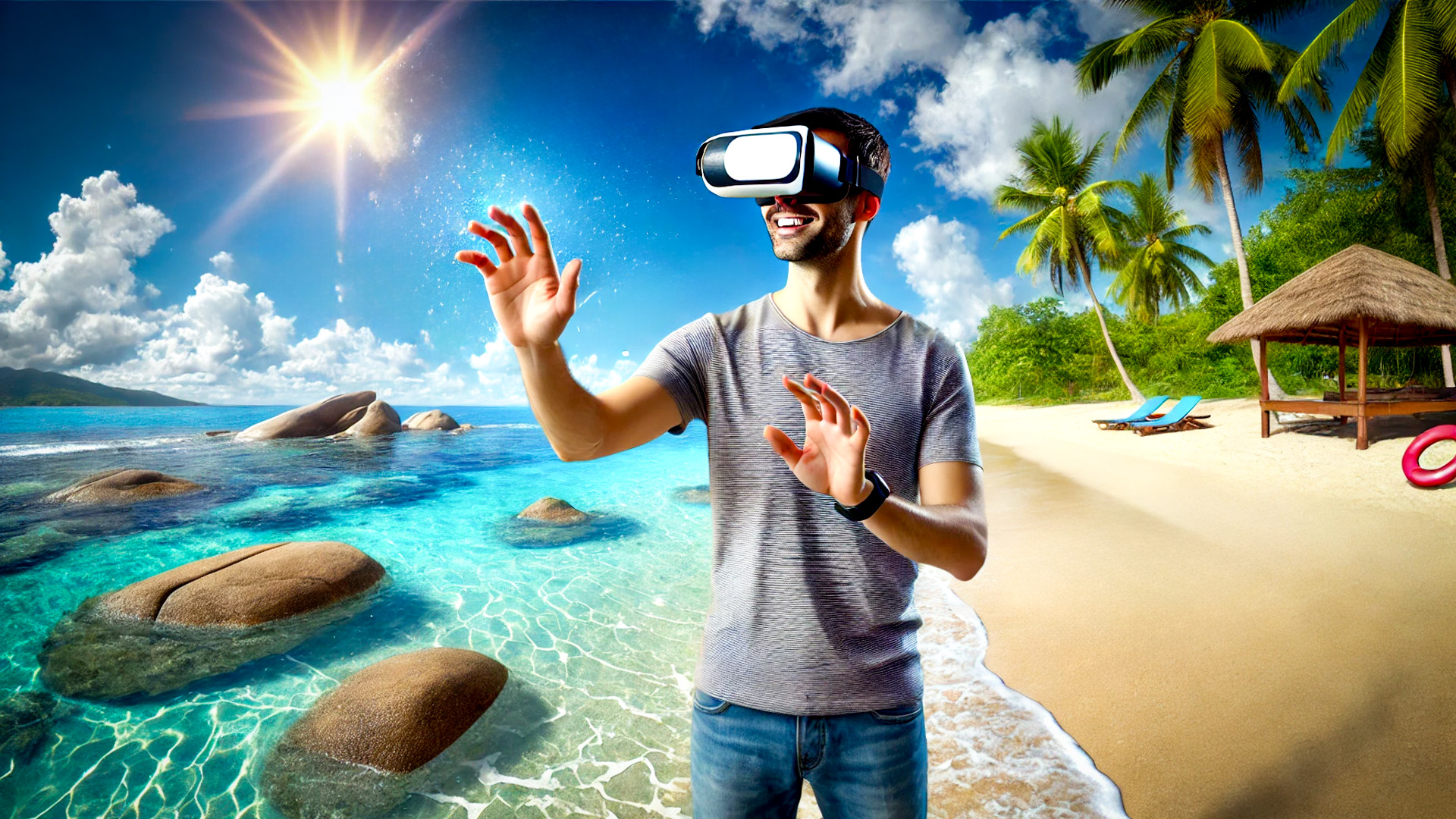
Virtual Reality (VR) is breaking down barriers for individuals who are unable to travel due to physical limitations or financial constraints. With VR, users can explore destinations and experience different cultures from the comfort of their homes. This technology provides an opportunity for those who might otherwise miss out on travel experiences, democratizing access to the joys of exploring new places and broadening horizons for everyone.
Environmental Impact: Reducing Carbon Footprints Through Virtual Exploration
As awareness of climate change and environmental impact increases, VR presents a sustainable alternative to physical travel. By allowing users to experience global destinations virtually, VR helps reduce the need for travel, thereby lowering carbon footprints. This not only supports environmental conservation but also provides a way for people to engage with and learn about the planet's diverse ecosystems and cultures without contributing to pollution and resource depletion.
Expanding Destination Reach: Bringing Remote Places to Global Audiences
VR has the potential to transform how remote and lesser-known destinations connect with global audiences. By offering immersive virtual tours, these locations can showcase their unique attractions and cultural heritage to a wider audience. This increased visibility can stimulate interest and tourism, helping to promote and preserve these places while overcoming the physical limitations and logistical challenges associated with traditional travel.
The Benefits of Augmented Reality in Tourism
Seamless Integration: AR Without Disrupting the Real Travel Experience
Augmented Reality (AR) enhances the travel experience by overlaying digital information on the real world without interfering with physical surroundings. Travelers can interact with their environment and enjoy their journey while simultaneously accessing AR-enhanced information and features. This seamless integration ensures that digital enhancements complement rather than disrupt the authentic travel experience.
Information at Your Fingertips: AR as a Guide and Educator
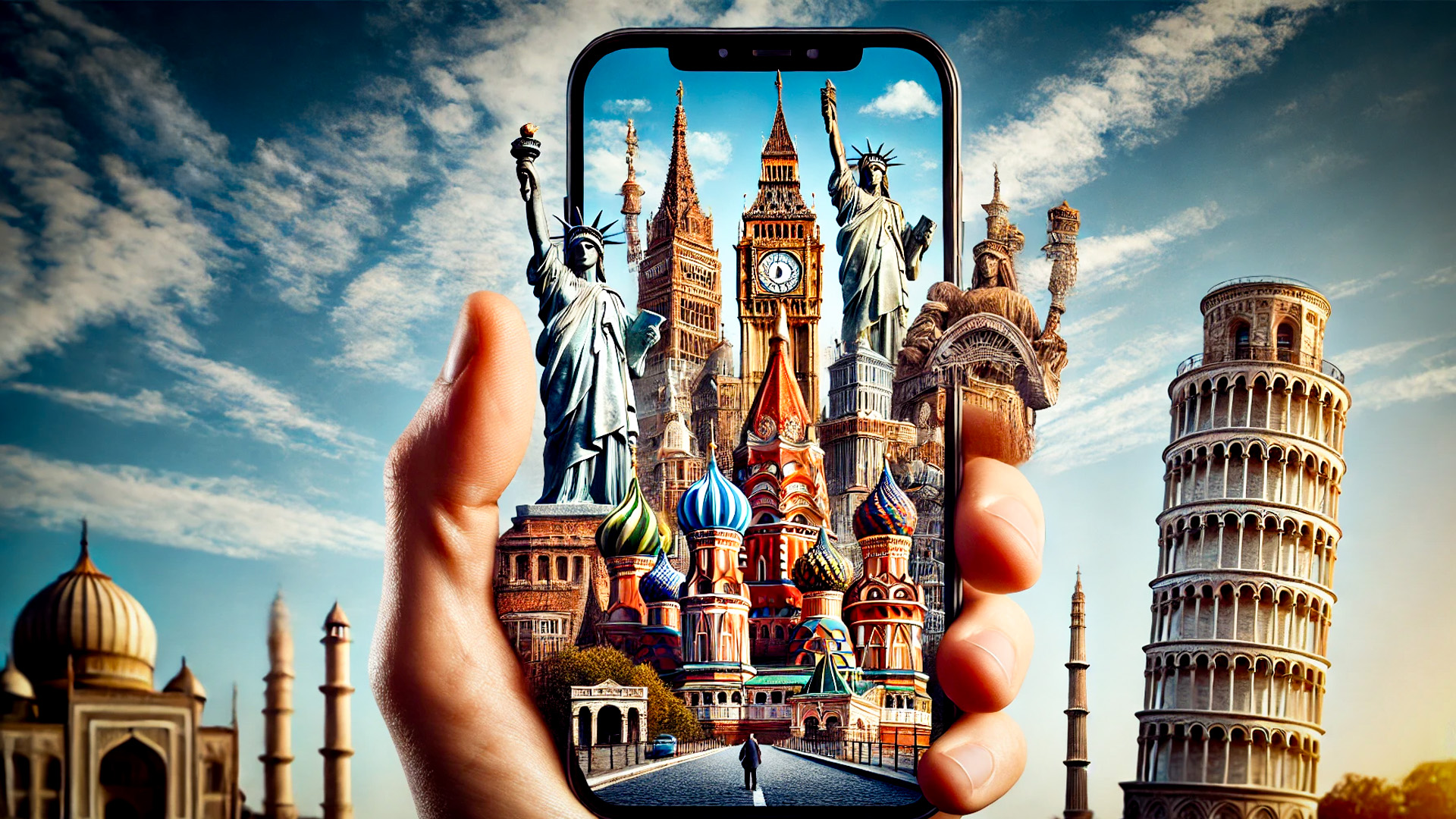
AR transforms the way travelers access information. Through AR apps, users can gain real-time insights about landmarks, historical events, or local customs simply by pointing their devices at objects or locations. This immediate access to contextual information enriches the travel experience, allowing for deeper understanding and engagement with the environment.
Enhancing Personalization: Customizing Travel with AR Apps
AR apps offer unprecedented levels of personalization in travel. By allowing users to customize their experiences based on preferences and interests, AR enables travelers to create tailored journeys. Whether choosing specific landmarks to explore, receiving personalized recommendations, or filtering information to suit individual needs, AR makes travel more relevant and engaging. This level of personalization enhances the overall experience, making it more enjoyable and memorable.
Challenges Facing VR and AR in Tourism
High Costs and Technology Accessibility
One of the major hurdles facing the widespread adoption of VR and AR in tourism is the cost and accessibility of technology. Advanced VR headsets and AR-enabled devices, such as the latest smartphones, can be expensive, which poses a barrier for many potential users. This cost factor can limit the reach of these technologies, particularly in less developed regions where such investments may not be feasible.
User Adoption: Overcoming Skepticism and Tech Fatigue
Skepticism about the necessity and value of VR and AR in tourism is a challenge. Many potential users question the benefits of these technologies or feel overwhelmed by the rapid pace of technological advancements. To overcome this, there needs to be a focus on education and design. User-friendly interfaces and clear demonstrations of how VR and AR enhance the travel experience can help address concerns and increase adoption.
The Learning Curve for Businesses: Implementing VR and AR Solutions
Tourism businesses face a significant learning curve when integrating VR and AR solutions. This process involves not only investing in technology but also training staff and adapting service delivery methods. The initial effort and cost can be daunting, but those businesses that successfully navigate these challenges may gain a competitive advantage by offering innovative and engaging experiences. The key is to recognize the long-term benefits and potential return on investment that these technologies can offer in terms of customer engagement and differentiation in the market.
Where VR and AR Are Heading in Tourism
The Rise of Hybrid Experiences: Merging VR and AR for Travelers
The concept of hybrid experiences, blending the immersive qualities of VR with the contextual enhancements of AR, is poised to revolutionize travel. Imagine beginning a journey with a VR preview of a destination to get a sense of the landscape and then using AR on-site to navigate, learn, and interact with the environment. This seamless transition between virtual and real-world experiences could provide a more comprehensive and flexible approach to travel, catering to diverse needs and preferences.
Advances in Wearable Tech: Streamlining VR and AR Use Cases
The future of VR and AR will be significantly shaped by advancements in wearable technology. Lightweight VR glasses and AR smart wearables will enhance user comfort and convenience, making these technologies more practical for everyday use. As these devices become more integrated into daily life, including travel, they will facilitate more intuitive and immersive experiences, reducing the barriers to widespread adoption.
VR and AR’s Growing Role in Sustainable Tourism
Sustainability is becoming a central focus in the tourism industry, and VR and AR are playing a crucial role in this shift. By offering virtual travel experiences, these technologies reduce the need for physical travel, helping to lower carbon footprints. Additionally, AR can enhance real-world experiences by providing eco-friendly tips and encouraging sustainable practices, contributing to a more environmentally conscious approach to travel.
Choosing the Right Technology: Which One Fits Your Travel Style?
When choosing between VR and AR, it’s essential to consider your travel style and objectives. VR offers deep immersion and is ideal for those who seek a fully virtual experience, whether for pre-trip exploration or simulated adventures. AR, on the other hand, enhances real-world travel by adding digital layers of information and interaction, making it suitable for those who want to enrich their physical journey. Both technologies offer unique advantages, and often, they can be used together to create a richer travel experience.
The Evolution of the Travel Industry: How VR and AR Are Shaping Its Future
VR and AR are set to redefine the travel industry by integrating advanced technology into every aspect of exploration. As these technologies evolve, they will offer new ways to experience and understand destinations, making travel more engaging and accessible. The fusion of virtual and augmented experiences promises to enhance how we interact with the world, paving the way for a future where travel is as immersive and interactive as our imaginations allow.
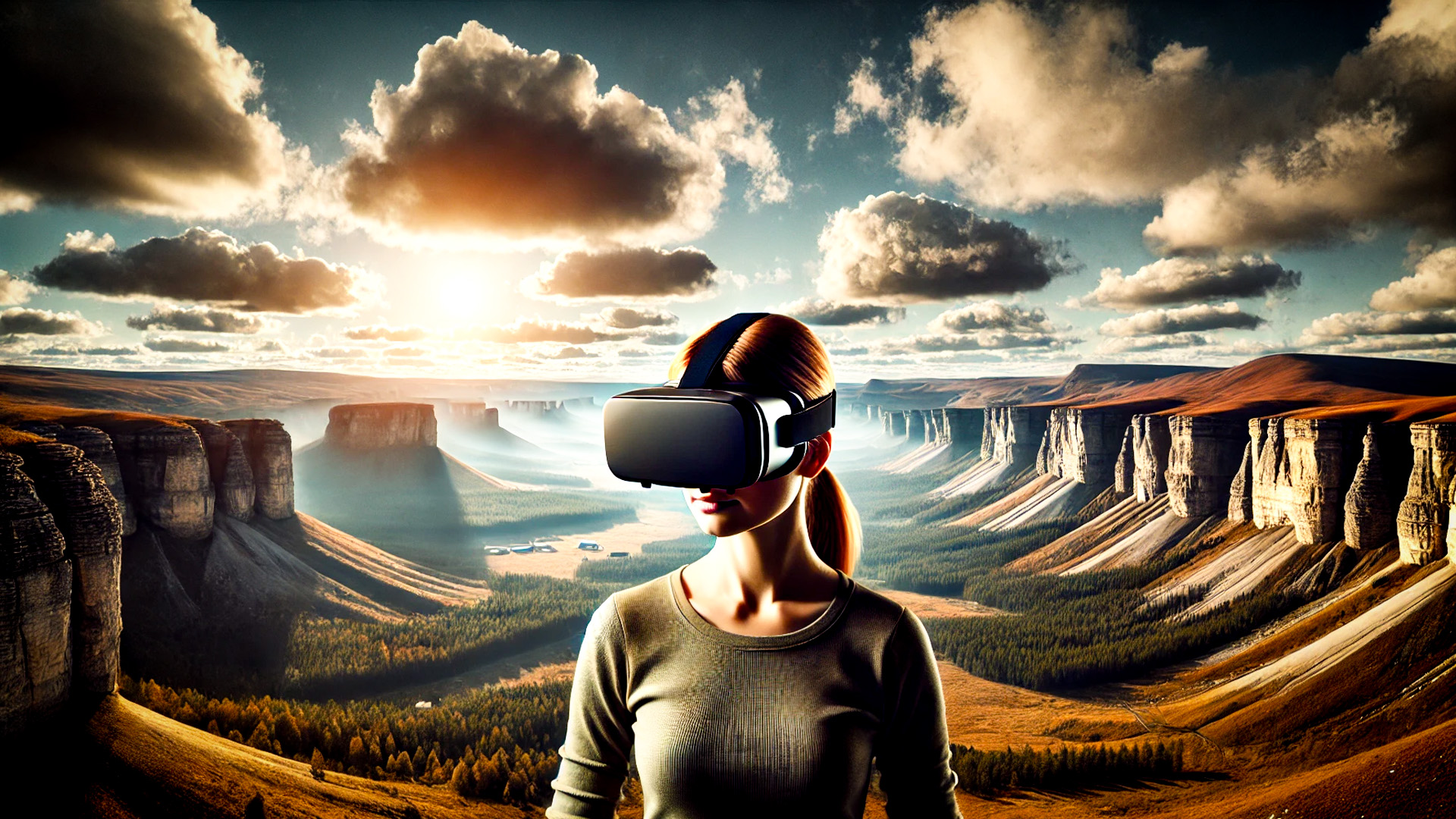
Where Vr And Ar Are Heading In Tourism
Author: Elisha Roodt
Redefining the architecture of travel through immersive spatial reality and enterprise tourism solutions, making it possible to explore the world without limits.