Virtual Reality Tourism in 2026: Helping Travellers Feel a Destination Before They Arrive
Virtual reality tourism is helping destinations, hotels and attractions give travellers a more meaningful preview of places, experiences and culture before they book.
Virtual Reality Tourism in 2026: Helping Travellers Feel a Destination Before They Arrive
Travel planning has always involved imagination. People look at photographs, watch videos, read reviews and try to picture what a destination will feel like. They want to know whether a hotel room suits their needs, whether a beach is as peaceful as it appears, whether a museum is worth visiting or whether a city has the atmosphere they are looking for.
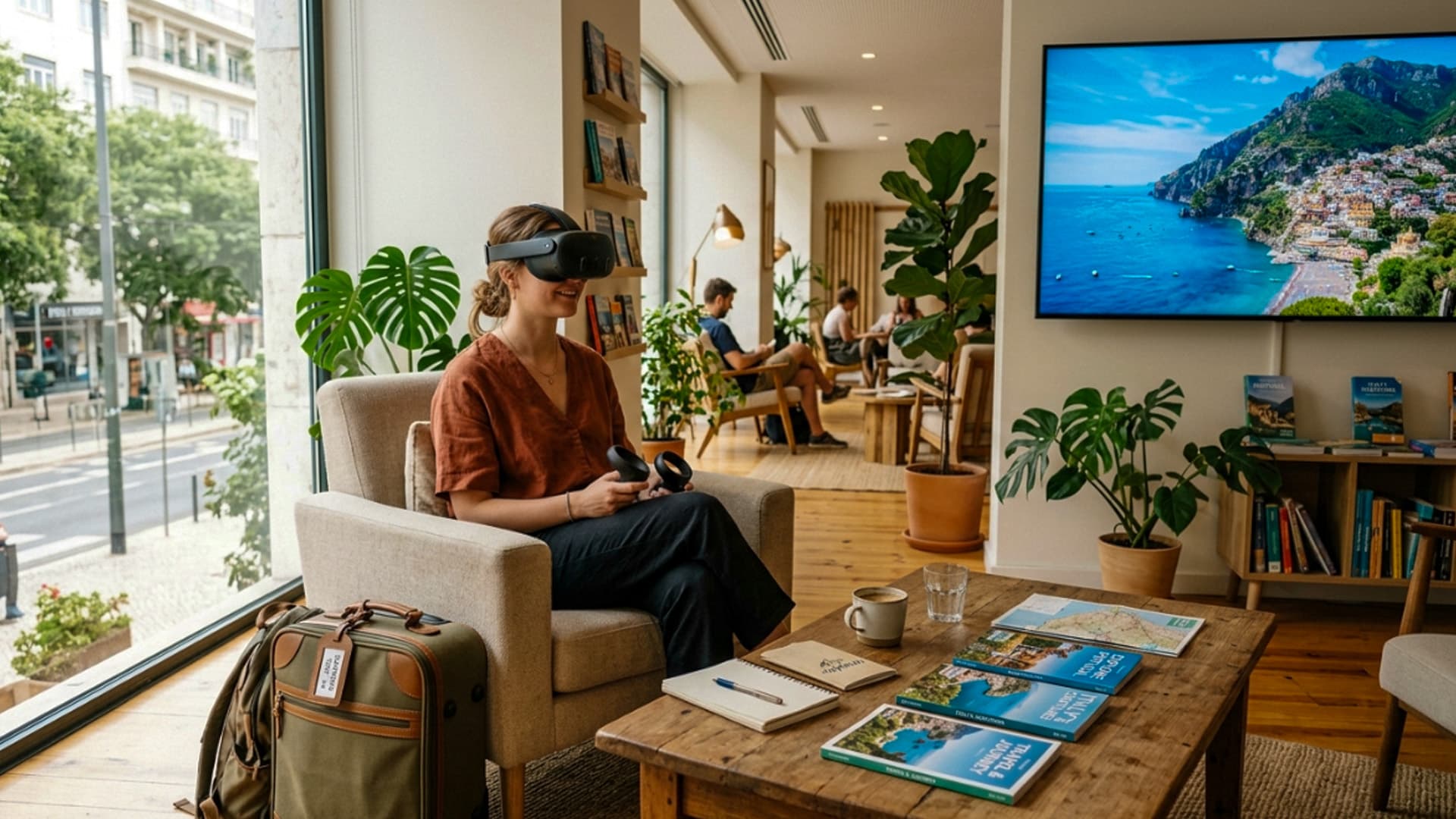
In 2026, virtual reality is giving tourism organisations a stronger way to answer those questions. Instead of only showing travellers a flat image or short promotional clip, VR can place them inside a destination. They can look around a hotel room, stand at a viewpoint, walk through a heritage site or experience the atmosphere of an attraction before making a booking decision.
Virtual reality tourism is not designed to replace real travel. A headset cannot reproduce the weather, food, local conversations or unexpected moments that make a trip personal. Its value is different. It helps people understand a destination before they arrive, gives tourism businesses a more engaging way to tell their stories and makes certain places more accessible to people who may not be able to visit in person.
The strongest virtual tourism experiences are not simply collections of 360-degree images. They are designed around a visitor journey. They give people a reason to explore, provide useful context and help them imagine what a real visit could offer.
Why Travel Planning Is Becoming More Immersive
Travellers are becoming more selective about where they spend their time and money. A standard gallery of photographs may show a destination at its best, but it often leaves important questions unanswered. How close is the accommodation to the beach? What does the room feel like when you stand inside it? How busy is an attraction? What can visitors expect when they arrive?
VR can help answer these questions by giving travellers a more natural sense of scale and place. A person can look around at their own pace, focus on details that matter to them and build a clearer picture of the experience. This can be useful for families, business travellers, accessibility-focused travellers and anyone planning a major holiday.
For tourism businesses, immersive previews can also improve the quality of enquiries. A guest who has already explored a property or destination virtually may arrive with a better understanding of what is available. This can create more useful conversations and reduce the gap between expectation and reality.
A Better Preview Than a Standard Video
A traditional travel video guides viewers through a fixed sequence. It may be beautifully filmed, but the viewer cannot choose where to look or what to explore. A VR experience gives the visitor more control. They can pause at a viewpoint, look around a room, inspect the surroundings or revisit a part of the experience that caught their attention.
That control creates a stronger feeling of involvement. Rather than simply watching a destination being presented, the traveller becomes an active participant in the preview. This is especially useful for locations where space, layout and atmosphere matter.
A hotel can use VR to show the route from reception to a room, the view from a balcony and the feel of shared spaces. A tourism board can use it to introduce landscapes, cultural attractions and activities. A venue can use it to help visitors understand how an event space or tour will work before they arrive.
Supporting More Confident Booking Decisions
Booking travel can involve uncertainty, particularly when people are visiting a place for the first time. A virtual experience cannot remove every concern, but it can make the decision feel more informed.
Travellers can compare accommodation options, explore attractions and get a clearer sense of whether a destination matches the kind of trip they want. A family may want to see whether a resort has suitable shared spaces. A traveller with mobility needs may want to understand access routes. A couple planning a special occasion may want to experience the atmosphere of a venue before committing.
When VR content is accurate and well produced, it can help tourism businesses set realistic expectations. That is important because a strong travel experience begins before the guest arrives.

Virtual Tours Are Changing Destination Marketing
Destination marketing has traditionally relied on inspiring people through images, stories and recommendations. Those elements remain important, but VR adds a new layer by allowing people to explore a place more directly.
A virtual tour can introduce visitors to a city, nature reserve, museum, coastal route or cultural site. It can show the environment from a perspective that feels closer to being there. This is useful for destinations that want to stand out in a crowded travel market, especially when they have distinctive landscapes, heritage or activities that are difficult to explain through text alone.
The content should not try to show everything at once. A focused experience with a clear story often works better than a long tour with no direction. Visitors may be invited to follow a local guide, explore a walking route, discover a historic building or move through a day in the destination from morning to evening.
Telling Stories That Give Places Meaning
A destination becomes more memorable when people understand the story behind it. VR can combine visual exploration with narration, local voices, ambient sound and interactive points of interest. This gives travellers more than a view; it gives them context.
A heritage experience can explain why a building matters. A nature-based tour can introduce the wildlife, landscape and conservation work connected to a place. A city tour can show how local food, art, music and history shape the character of a neighbourhood.
This type of storytelling is particularly valuable for cultural tourism. Visitors are not only looking for a list of landmarks. Many want to understand what makes a place distinct and how they can engage with it respectfully when they visit.
Helping Smaller Destinations Reach Wider Audiences
Large tourism destinations often have extensive marketing budgets and global recognition. Smaller towns, regional attractions and independent operators may have fewer opportunities to show potential visitors what makes them special.
Virtual tours can help level that gap. A well-made immersive experience can introduce a remote lodge, local museum, heritage route or community tourism project to people who may never have discovered it through a standard search result.
This does not mean every destination needs expensive technology. The most important part is a clear story, good visual quality and a visitor-friendly way to access the content. A simple 360-degree tour viewed on a phone can still be useful, while a headset version can provide a deeper experience at an exhibition, travel fair or visitor centre.

VR Tourism Makes Culture and Heritage More Accessible
Not every important place can accommodate large visitor numbers. Some heritage sites are fragile, remote or difficult to access. Others may be undergoing restoration, affected by weather or unsuitable for certain visitors because of physical barriers.
Virtual reality can provide another way to experience these places. A person can explore a historic building, archaeological site, museum collection or natural landscape without placing additional pressure on the physical environment. This can support preservation while still allowing people to learn about and appreciate the location.
For schools, museums and tourism organisations, VR can also make heritage more engaging. Rather than only reading about a site, learners and visitors can explore its scale, layout and atmosphere. They can see how a place may have looked in another period or understand how people used it in daily life.
Remote Access Does Not Reduce the Value of Real Travel
There is sometimes a concern that virtual tourism could discourage people from travelling. In many cases, the opposite is more likely. A good virtual experience can build curiosity and help people decide that a destination is worth visiting in person.
A virtual museum tour may encourage someone to plan a real visit. A 360-degree safari preview may help travellers understand the conservation value of a reserve. A virtual walk through a historic town may inspire a traveller to include it in a longer itinerary.
The virtual experience works best as an invitation rather than a replacement. It can give people a first connection to a place, then encourage them to seek the real sounds, tastes, people and details that only physical travel can provide.
Supporting Responsible Tourism
VR can also support responsible tourism by helping visitors understand the rules, culture and environmental sensitivity of a destination before they arrive. A nature reserve can explain why visitors should stay on certain paths. A heritage site can show why some areas are restricted. A community tourism project can introduce local customs and help guests arrive with greater awareness.
This type of preparation can improve the visitor experience while reducing pressure on sensitive places. People are more likely to behave respectfully when they understand the reasons behind guidelines and restrictions.
Virtual tourism can also give people access to experiences that may not be suitable for every visitor in person. A steep hiking route, underwater environment or fragile archaeological site can be explored virtually while preserving the real location for future generations.

Hotels and Attractions Are Using VR to Set Better Expectations
Accommodation providers and attractions benefit when guests understand what they are booking. A virtual tour can show room layouts, shared facilities, views, accessibility features and the general atmosphere of a property.
This is more useful than relying only on carefully selected photographs. Images can make a space look attractive, but they may not communicate how rooms connect, how large an area feels or what the surrounding environment is like. VR gives guests a more complete view.
For attractions, immersive previews can help visitors choose which experiences suit them. A family can explore a theme park area, a traveller can preview a guided tour and a conference organiser can walk through a venue before making plans.
The Importance of Accurate Content
Tourism VR should be inspiring, but it should also be honest. Over-editing a destination or presenting an unrealistic version of a property can lead to disappointment when visitors arrive.
Accurate content helps create trust. It can still show a destination at its best while giving people a realistic understanding of what they will experience. This may include showing room layouts clearly, representing the actual environment and explaining what is included in a tour or activity.
The best content makes people excited to visit without creating expectations that cannot be met. It gives travellers confidence that they are making a good decision.
Designing for Phones, Headsets and Event Screens
Not every traveller owns a VR headset, so tourism content should be designed to work across different devices. A 360-degree experience can be explored on a phone, tablet or desktop computer, while a headset can provide a more immersive version for travel exhibitions, hotel lobbies or visitor centres.
This flexible approach allows tourism businesses to reach more people. A potential visitor may first discover the experience on a website, then try the headset version at a travel expo or tourism event. The same content can support marketing, sales conversations and on-site visitor education.
The key is to make the experience easy to access. If people need complicated software or lengthy instructions before they can explore, many will leave before they begin.

Designing Virtual Tourism Experiences People Want to Explore
A strong virtual tourism experience needs more than high-resolution video. It needs a reason for the visitor to continue exploring. This can come from a story, a guide, interactive details or a clear sense of discovery.
For example, a virtual coastal tour may invite visitors to follow a route from a harbour to a viewpoint, with short stories about local history and wildlife along the way. A heritage tour may allow users to compare the present-day site with a historical reconstruction. A hotel tour may help guests move from the entrance to the room, pool, restaurant and surrounding attractions.
The experience should be simple enough for first-time users. People should understand how to move, where to look and what they can interact with. Too many controls or menus can make a beautiful virtual destination feel difficult to enjoy.
Comfort and Accessibility Matter
Tourism content is often aimed at broad audiences, including people who have never used a headset before. Comfort should therefore be part of the design from the beginning.
Short scenes, steady camera movement and clear navigation can reduce discomfort. Seated experiences may be more suitable for public events and visitor centres. Users should always have a clear way to pause or leave the experience.
Accessibility also means offering alternatives. A person who cannot use a headset should still be able to explore the destination through a screen-based tour, video or interactive map. The goal is to make the story of the place available to more people, not only to those who are comfortable with VR hardware.
What Virtual Reality Tourism Can Do Next
Virtual tourism is becoming more useful as destinations focus on quality, storytelling and practical visitor needs. The next generation of experiences is likely to combine 360-degree video, real-time 3D environments, local narration and interactive information in ways that feel more personal.
For travellers, this means better previews and more confidence when choosing where to go. For tourism businesses, it means a stronger way to show what makes a destination worth visiting. For cultural and natural sites, it means another way to share their stories while supporting preservation and responsible tourism.
The real opportunity is not to make travel entirely virtual. It is to use virtual reality to make real travel more informed, more meaningful and more accessible from the first moment someone begins planning a journey.
Author: Elisha Roodt
Redefining the architecture of travel through immersive spatial reality and enterprise tourism solutions, making it possible to explore the world without limits.