Virtual Reality Tourism in the Post-Pandemic World
The COVID-19 pandemic wrought unprecedented upheaval across the globe, with the tourism industry bearing a particularly heavy toll. As borders...
The COVID-19 pandemic wrought unprecedented upheaval across the globe, with the tourism industry bearing a particularly heavy toll. As borders closed and travel came to a standstill, the travel sector faced an existential crisis. Virtual Reality (VR) emerged as a beacon of innovation amidst this chaos, reshaping how people engage with travel experiences. This article delves into the transformative role of VR in tourism, accelerated by the pandemic, and explores what lies ahead in this evolving landscape. We will dissect the pandemic's impact, the surge in VR adoption, and envision future trends in the realm of virtual tourism.
The COVID-19 Pandemic and its Effect on Tourism
The pandemic's impact on global tourism was swift and severe. With international travel restrictions imposed and public health concerns at the forefront, the industry saw an abrupt halt in tourist flows. Hotels, airlines, and tour operators grappled with plummeting revenues and operational shutdowns. Amidst this turbulence, a novel alternative began to emerge—virtual experiences. These digital simulations offered a lifeline to the industry, allowing destinations and businesses to stay connected with their audiences despite physical barriers.
Tourism businesses swiftly pivoted to incorporate virtual solutions. Virtual tours, 360-degree videos, and interactive experiences became crucial tools for maintaining engagement. For instance, museums and historical sites transitioned their exhibitions into virtual realms, enabling visitors to explore collections from their living rooms. Similarly, travel agencies developed VR previews of destinations, providing a tantalizing glimpse of future travel possibilities.
Virtual Reality: A Transformative Force
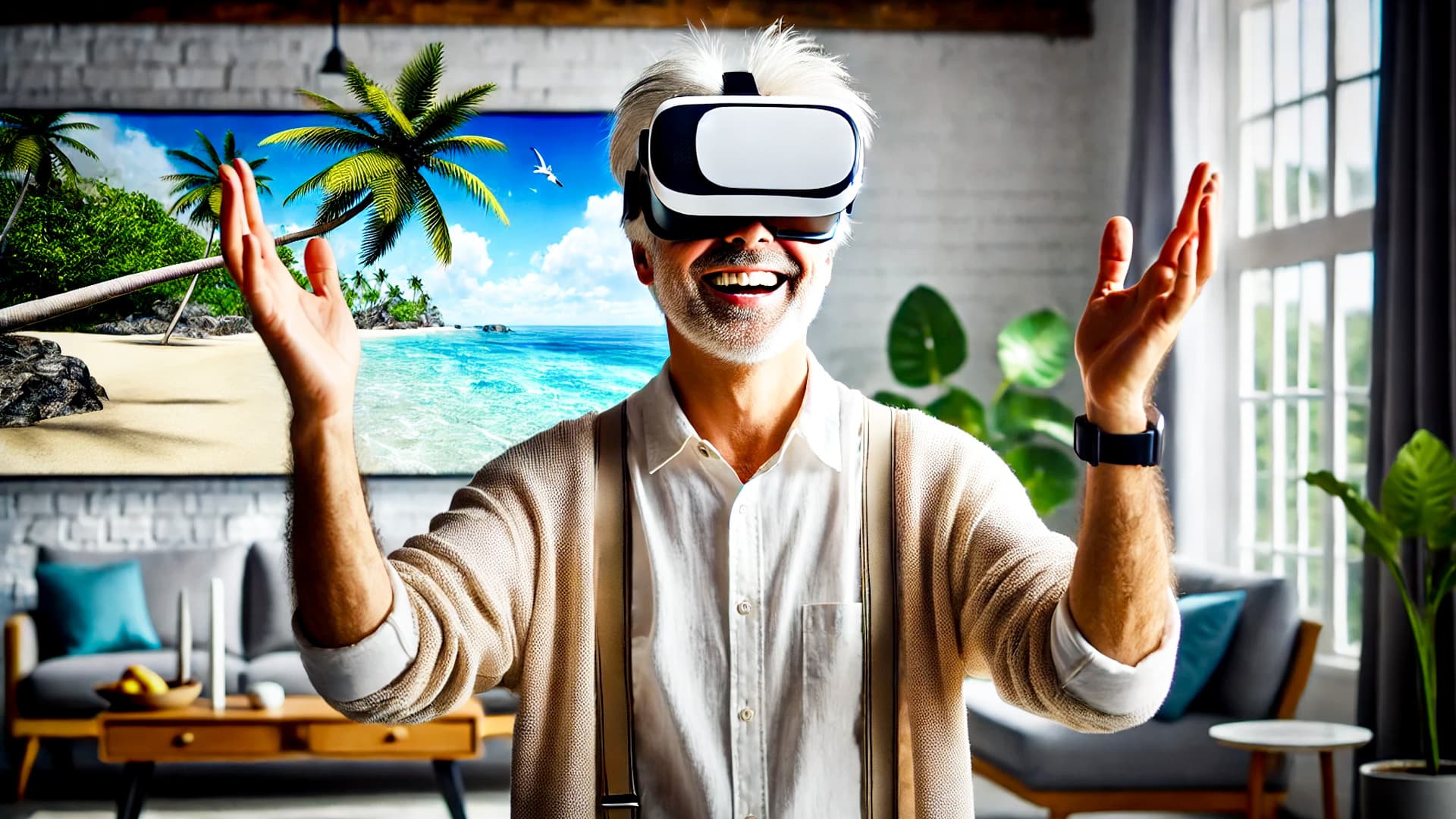
VR’s ability to create immersive, real-time experiences provided a much-needed solution to tourism’s dilemma. It allowed travelers to visit far-flung locations without ever leaving their homes, bridging the gap between wanderlust and the limitations of the pandemic. This newfound capability went beyond mere novelty—VR became a practical tool for destinations to remain relevant, fostering long-term relationships with potential tourists. By offering an engaging "try-before-you-buy" model, VR instilled confidence in travelers, who could now visualize their trips with unprecedented accuracy.
Moreover, these virtual alternatives provided access to destinations that were previously inaccessible or too expensive for many. As a result, virtual tourism democratized travel, allowing people of all backgrounds to experience the world. This growing trend has led industry experts to predict that VR will remain a staple even in a post-pandemic world, complementing traditional tourism and enriching travel planning for years to come.
Accelerated Adoption of VR in Tourism
The pandemic catalyzed a rapid acceleration in the integration of VR within travel marketing. Traditional methods of tourism promotion, reliant on brochures and static images, quickly gave way to dynamic, immersive VR experiences. This shift was not merely a trend but a fundamental transformation in how destinations and travel companies present themselves. Travel marketers recognized that static, two-dimensional media no longer sufficed in a world where consumers craved more engaging and interactive content.
Destinations embraced VR to create compelling narratives and interactive experiences that went beyond simply showcasing a location. They aimed to evoke emotion, curiosity, and a sense of adventure. A prime example is New Zealand's tourism board, which launched a VR campaign allowing users to virtually hike through picturesque landscapes and experience local culture. This campaign provided a vivid, immersive experience, helping potential tourists visualize themselves in the destination while forming emotional connections. Likewise, luxury travel companies began offering VR previews of high-end resorts and cruises, enabling potential clients to experience opulent amenities from afar. Whether it was the view from an infinity pool or a virtual walk through a five-star suite, VR enabled consumers to "test-drive" their vacations before making a decision.
These implementations highlighted VR's ability to captivate and engage audiences in ways previously unattainable. By providing a taste of the experience beforehand, VR acted as a powerful conversion tool, increasing booking rates and customer satisfaction. The visual and sensory engagement VR offered became a unique selling point for destinations and companies looking to stand out in a highly competitive industry.

Virtual Reality as a Solution for Safe Travel
In the quest for safe travel solutions, VR emerged as a powerful ally during the pandemic. With health and safety becoming the top priority, VR offered an alternative that adhered to social distancing guidelines while still delivering an authentic travel experience. By immersing users in virtual environments, VR allowed individuals to "visit" and explore travel destinations without the need for physical presence, minimizing health risks associated with traditional travel.
Technological innovations in VR during this period significantly enhanced the quality and accessibility of virtual experiences. High-definition graphics, realistic soundscapes, and interactive features provided users with detailed and lifelike environments. Virtual guided tours of popular landmarks, museums, and historical sites brought knowledge and adventure directly to people's homes. Educational content, coupled with VR's interactive nature, kept users engaged while ensuring safety, offering an ideal solution for families and educational institutions affected by travel restrictions.
Furthermore, VR became a critical tool for tourism-related businesses and cultural institutions to maintain operations during lockdowns. Destinations that traditionally relied on foot traffic, such as museums, art galleries, and national parks, leveraged VR to offer virtual visits, keeping their audience connected and involved despite the global travel freeze. This shift not only ensured continued engagement during the pandemic but also opened up new opportunities for growth and innovation in the future of tourism.
Enhancing Travel Planning with VR
VR's impact extends beyond marketing and safety; it revolutionizes the way travelers plan their trips. By leveraging VR technology, potential travelers can now preview destinations, accommodations, and attractions with unprecedented clarity and immersion. This immersive preview allows them to make more informed decisions, reducing the uncertainties and risks traditionally associated with travel investments. Travelers can virtually walk through hotel lobbies, explore the interiors of resorts, or even stroll along local streets, gaining a sense of what their experience will truly be like.
Travel agencies and booking platforms have embraced VR as a tool for enhancing customer trust and satisfaction. These platforms now offer virtual walkthroughs of hotels, resorts, and rental properties. Potential guests can explore rooms, check out amenities, and examine the surroundings in detail before making a reservation, increasing transparency and confidence in their bookings. For instance, a luxury travel agency might provide a high-fidelity virtual tour of an exclusive villa, showcasing its stunning features and picturesque surroundings to prospective clients. This ability to “experience” a destination beforehand helps minimize unpleasant surprises and improves customer decision-making.
Post-Pandemic Trends in VR Tourism
As the world adjusts to a post-pandemic reality, several trends are shaping the future of VR tourism. Emerging technologies such as augmented reality (AR) and mixed reality (MR) are converging with VR, opening up new possibilities for even more immersive travel experiences. These innovations promise to deepen the realism of virtual travel encounters, blending the digital and physical worlds to create a more engaging, multisensory experience.
Experts predict that VR will continue to play a significant role in the travel industry, influencing how tourists engage with destinations and plan their trips. Rather than replacing physical travel, VR is expected to serve as a complementary tool. Hybrid experiences that combine both physical and virtual elements will likely become more common, offering travelers a unique combination of in-person visits with augmented virtual experiences. For instance, tourists may explore a historical site in person while using AR to enhance their experience with additional information and visuals, creating a more interactive and educational journey.
Challenges and Limitations of VR in Tourism
Despite its potential, VR in tourism faces several challenges and limitations. One of the primary barriers is the high cost of VR equipment, which can hinder widespread adoption among both consumers and businesses. Advanced infrastructure and technology are required to deliver high-quality VR experiences, and not all regions have the necessary resources to support this shift. Additionally, the creation of fully immersive and realistic VR content remains a complex and costly endeavor, with developers grappling with issues related to resolution, interactivity, and the overall quality of the virtual environments.
Concerns about user experience persist as well. While VR is immersive, it may lack the authenticity, spontaneity, and emotional depth of real-world travel. Issues like motion sickness, which some users experience during VR sessions, and the need for specialized equipment also pose challenges to widespread accessibility and enjoyment. Overcoming these technical and experiential hurdles will be key to ensuring VR reaches its full potential in the tourism industry. Addressing these concerns will allow VR to remain an effective tool for the future of travel, enhancing rather than diminishing the richness of the journey.
The Future of Virtual Reality in the Tourism Industry
Looking ahead, VR is poised to have a profound and lasting impact on the tourism industry. Its ability to offer immersive, interactive experiences will continue to evolve, providing new opportunities for innovation and growth. As travel becomes more personalized and experience-driven, VR’s role will expand beyond mere previews to creating fully integrated parts of the travel journey. This evolution opens doors for unique opportunities, where VR can complement, enhance, and enrich traditional travel rather than replace it.
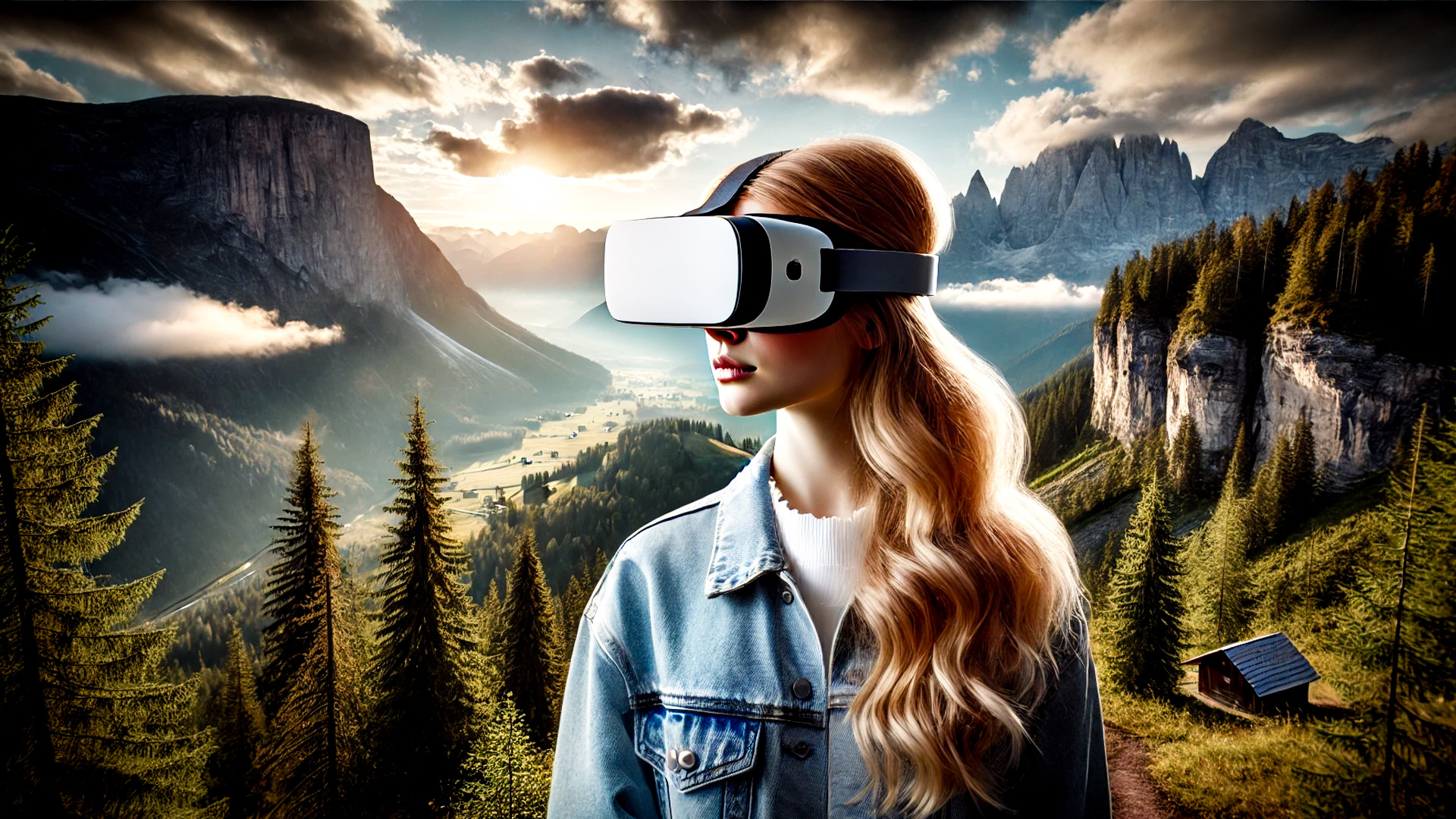
One of the most promising areas for innovation is in AI-driven personalization. As VR becomes more sophisticated, it can tailor experiences to individual preferences, creating customized virtual tours that adapt in real time to the user’s interests. Imagine a traveler who loves art getting a VR tour of Paris that highlights hidden galleries and museums, while another user interested in adventure might experience a virtual hike through the French Alps. This degree of personalization could become a game-changer for both the tourism industry and travelers, offering curated and highly relevant content.
Another exciting area is the development of more sophisticated sensory experiences. While VR already immerses users visually and auditorily, future advancements may incorporate other senses such as touch, taste, and smell. Haptic feedback technology is advancing, allowing users to “feel” objects in virtual environments, and research into olfactory VR could enable tourists to smell the salt air of a Mediterranean beach or the fragrance of a lavender field in Provence. These multisensory experiences will create more profound emotional connections, making virtual travel even more compelling and lifelike.
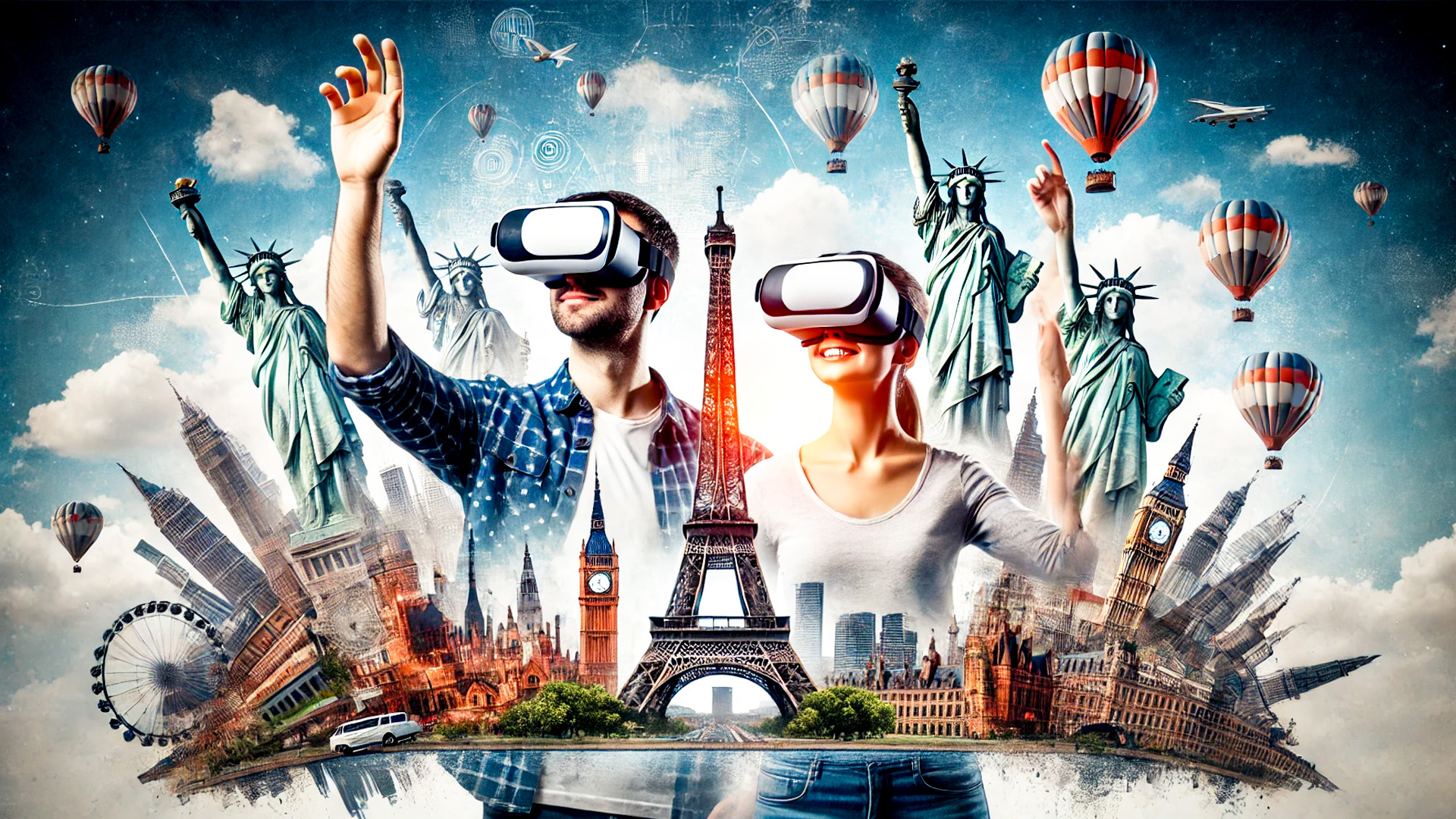
As VR technology advances, its role in tourism will likely expand, offering richer and more diverse experiences for travelers. Far from replacing traditional travel, VR is set to become an integral part of the travel ecosystem. VR could be used to complement travel planning, offering virtual previews and personalized itineraries, and to enrich in-person experiences by blending virtual and physical elements, such as augmented reality-enhanced tours.
The COVID-19 pandemic catalyzed a rapid transformation in the tourism industry, accelerating the adoption of VR as a pivotal tool for engagement and planning. As we navigate a post-pandemic world, the role of VR in tourism continues to evolve, presenting both opportunities and challenges. The future of VR in tourism is bright, promising a fusion of technological innovation and immersive experiences that will redefine how we travel and explore the world.
The Future Of Virtual Reality In The Tourism Industry
Author: Elisha Roodt
Redefining the architecture of travel through immersive spatial reality and enterprise tourism solutions, making it possible to explore the world without limits.