Virtual Reality Tourism: Exploring the World from Your Living Room
The way we experience travel and explore new destinations has undergone a revolutionary transformation in recent years, largely due to...
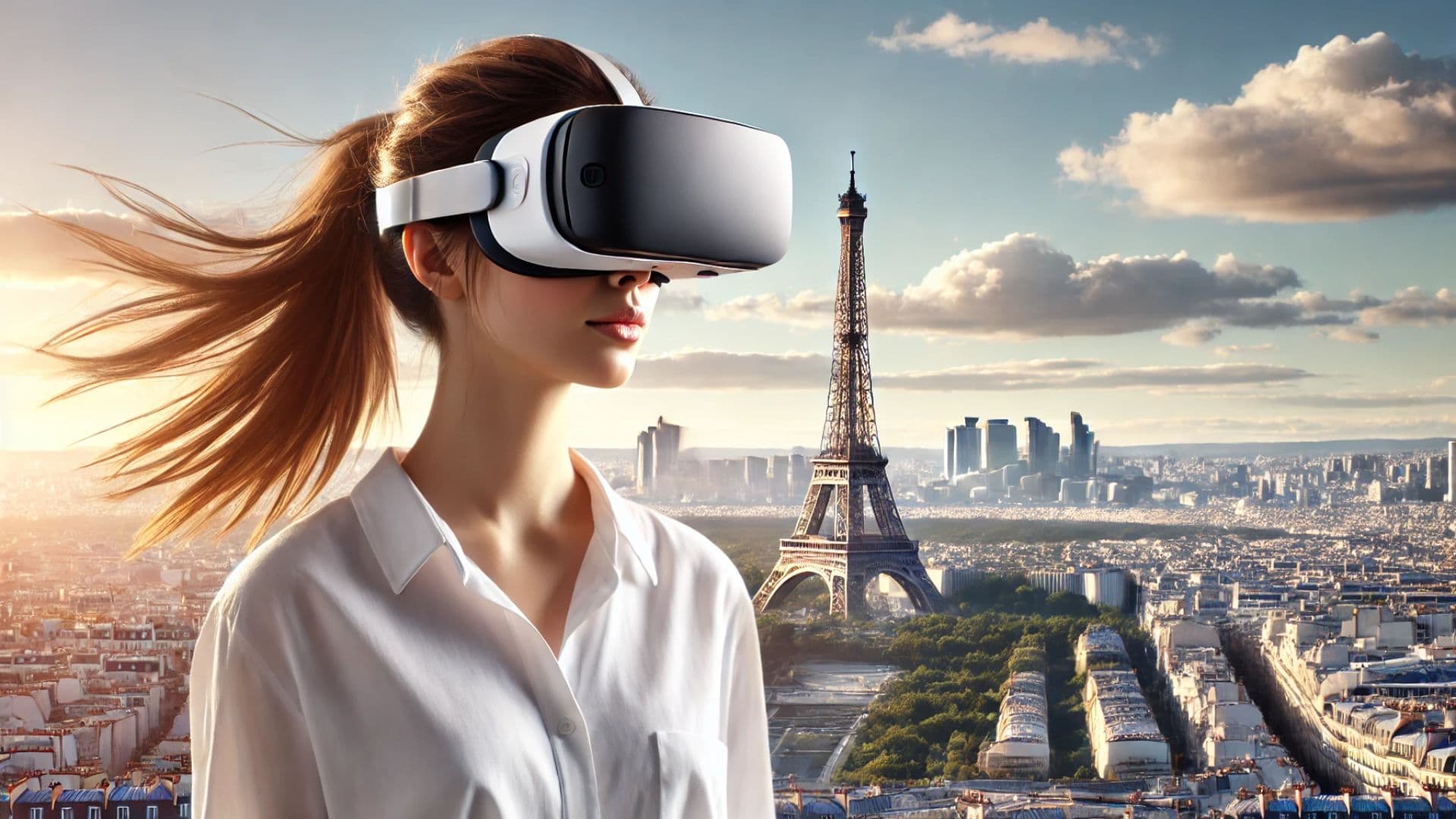
The way we experience travel and explore new destinations has undergone a revolutionary transformation in recent years, largely due to advancements in technology. Among these innovations, Virtual Reality (VR) stands out as a game-changer, offering immersive and interactive experiences that transcend the limitations of physical travel. Virtual Reality tourism allows users to explore distant locations, cultural landmarks, and exotic destinations from the comfort of their own homes. This blog will delve into the world of VR tourism, exploring its benefits, applications, and future potential.
The Concept of Virtual Reality Tourism
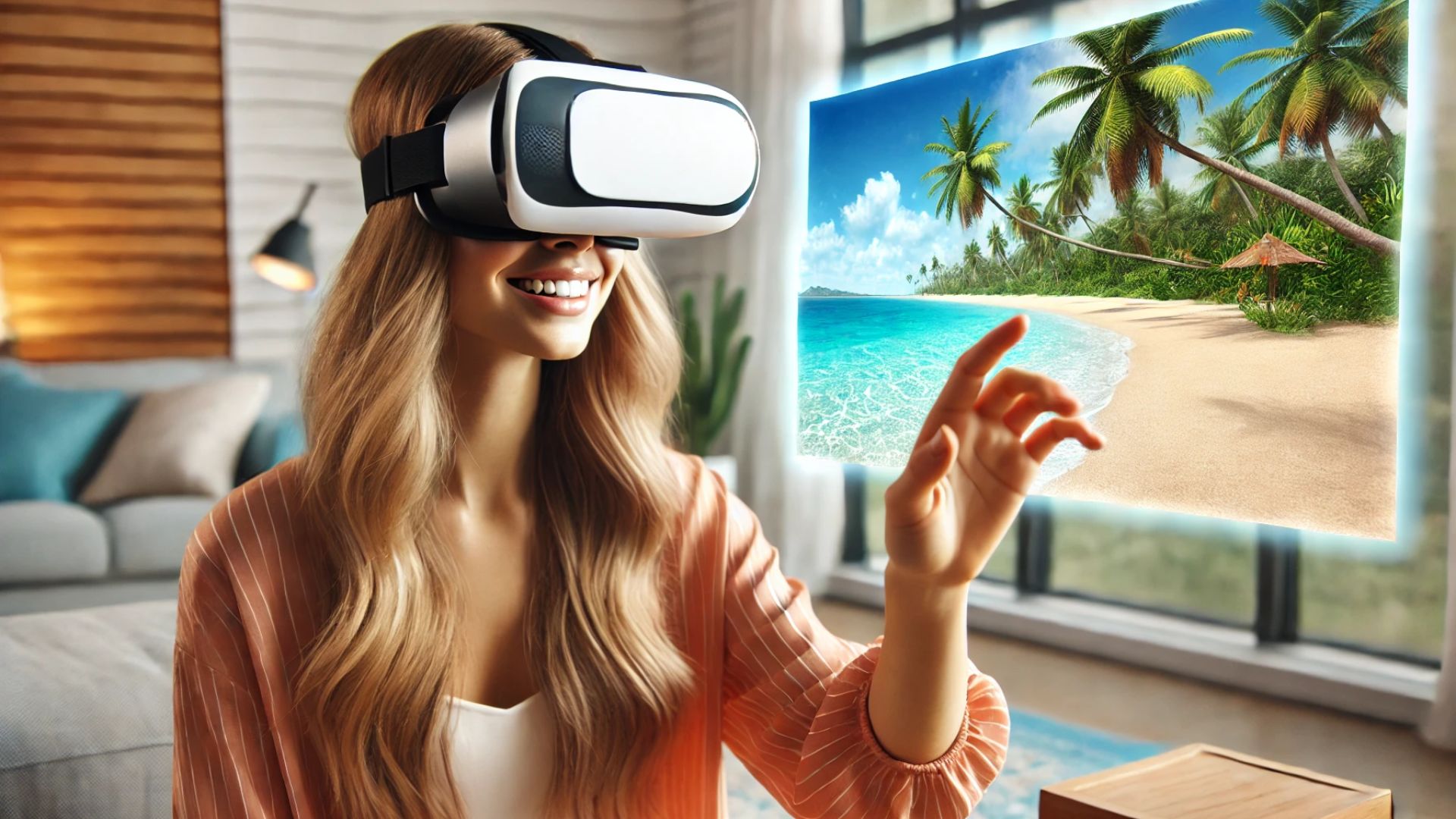
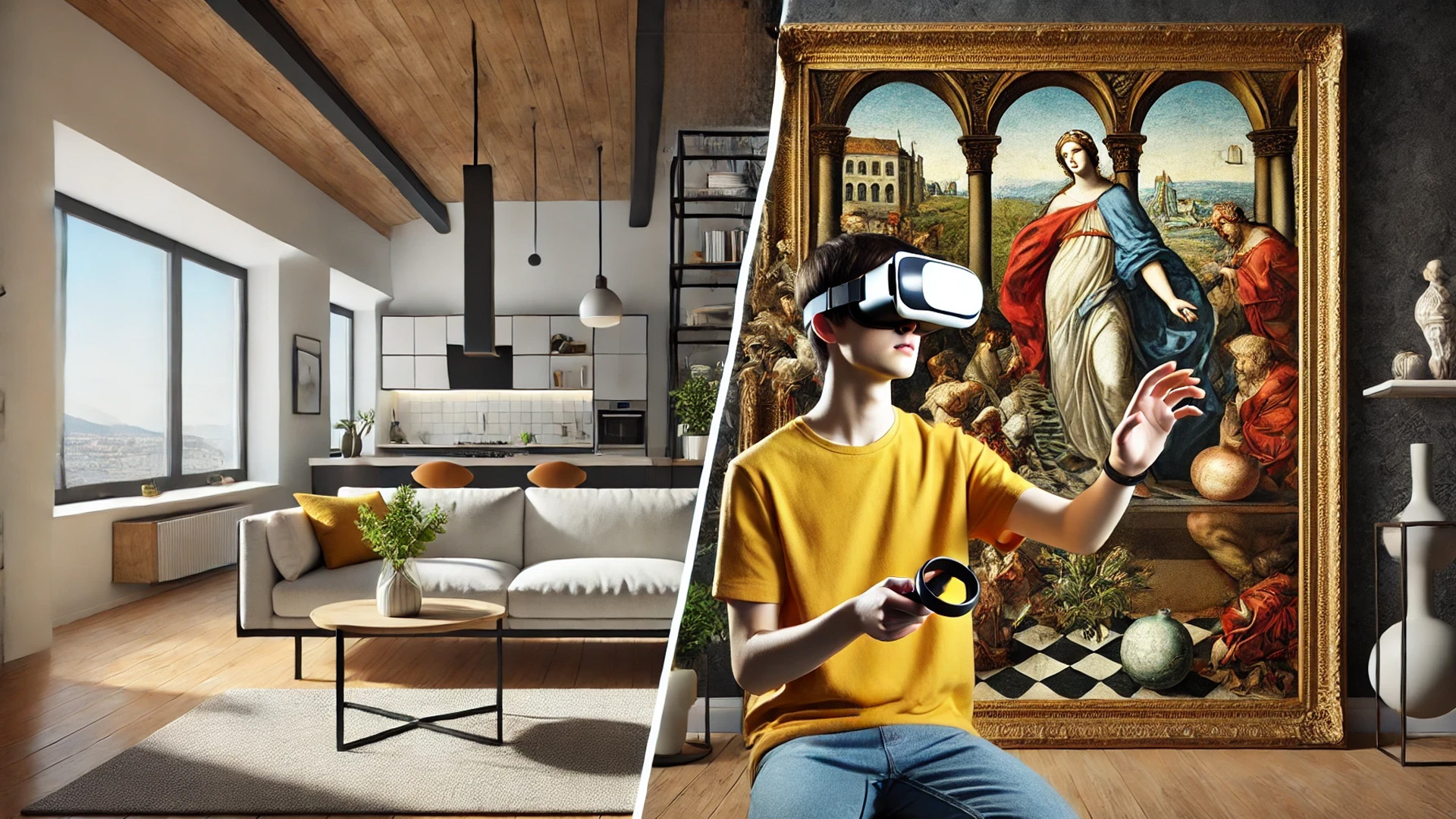
Virtual Reality tourism involves using VR technology to simulate travel experiences, enabling users to explore destinations and engage in activities as if they were physically present. Unlike traditional travel, which requires time, money, and physical effort, VR tourism offers a convenient and accessible alternative. With a VR headset and compatible software, users can embark on virtual journeys, visit historical sites, and enjoy interactive experiences without leaving their living rooms.
How VR Tourism Works
VR tourism leverages immersive technologies to create lifelike simulations of real-world locations. Using 360-degree video, 3D modeling, and interactive elements, VR platforms can replicate the sights, sounds, and even the smells of various destinations. Users navigate through virtual environments, interact with objects, and experience activities just as they would in real life.
Key components of VR tourism include:
Benefits of Virtual Reality Tourism
Accessibility and Convenience
One of the most significant advantages of VR tourism is its accessibility. It eliminates barriers related to geography, cost, and physical limitations, allowing anyone with a VR headset to explore destinations around the world. This is especially beneficial for individuals who may have mobility issues, financial constraints, or other challenges that prevent them from traveling.
For example, a person with limited mobility can experience the grandeur of the Louvre Museum or take a virtual hike through the Grand Canyon without ever leaving their home. Similarly, VR tourism provides an opportunity for those with tight budgets to explore destinations they may otherwise never afford to visit.
Educational and Cultural Enrichment
VR tourism offers unparalleled educational and cultural enrichment opportunities. By providing virtual access to historical sites, museums, and cultural landmarks, VR experiences enable users to learn about different cultures, histories, and traditions in an immersive way. Virtual tours can include guided narratives, historical context, and interactive elements that enhance understanding and engagement.
For instance, students studying ancient civilizations can explore virtual reconstructions of historical sites like the Roman Colosseum or the pyramids of Egypt. This hands-on learning experience deepens their knowledge and makes history come alive in a way that traditional textbooks cannot.
Enhanced Travel Planning
Virtual Reality tourism also plays a valuable role in travel planning. Before making travel decisions, potential tourists can use VR to explore destinations, view accommodations, and assess attractions. This immersive preview helps travelers make informed decisions and choose destinations that align with their preferences and interests.
Travel agencies and tourism boards are increasingly adopting VR technology to showcase destinations and accommodations. Virtual tours of hotels, resorts, and tourist attractions allow potential visitors to experience the offerings before booking their trips.
Sustainable Travel
As environmental concerns become more pressing, VR tourism offers a sustainable alternative to traditional travel. By reducing the need for physical travel, VR helps decrease carbon emissions and minimizes the environmental impact associated with transportation. Virtual tourism allows individuals to experience the beauty and wonder of the world without contributing to pollution and resource depletion.
Applications of Virtual Reality Tourism
Virtual Destinations and Landmarks
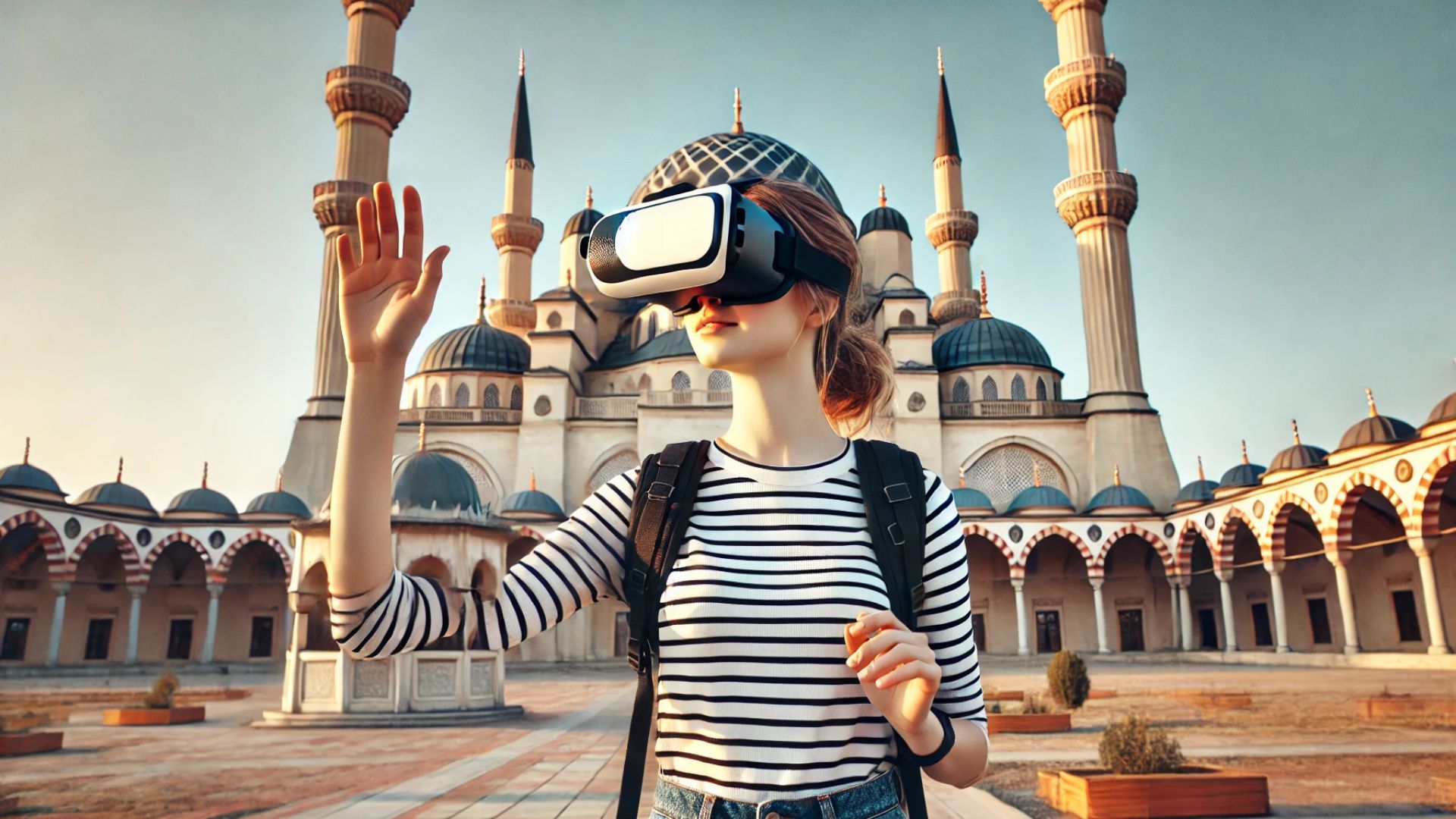
One of the most popular applications of VR tourism is virtual tours of destinations and landmarks. Users can explore famous landmarks such as the Eiffel Tower, the Great Wall of China, or the Taj Mahal from a first-person perspective. Detailed 3D models and 360-degree videos provide a realistic and immersive experience, allowing users to virtually wander through these iconic sites.
For example, Google Earth VR offers a comprehensive virtual exploration of the globe, allowing users to fly over cities, view landmarks, and even zoom in on specific locations. This application provides a powerful tool for both casual exploration and detailed research.
Museum and Art Gallery Tours
Virtual Reality has revolutionized the way we experience museums and art galleries. Many institutions now offer virtual tours that allow users to view exhibits, interact with artworks, and learn about the pieces in an engaging way. This virtual access extends the reach of museums and galleries, enabling people from around the world to appreciate art and history without physical constraints.
The British Museum, for example, provides virtual tours of its collections, allowing users to explore artifacts and exhibits in a detailed and interactive manner. Similarly, art galleries can showcase exhibitions and collections through VR, making art accessible to a global audience.
Adventure and Exploration
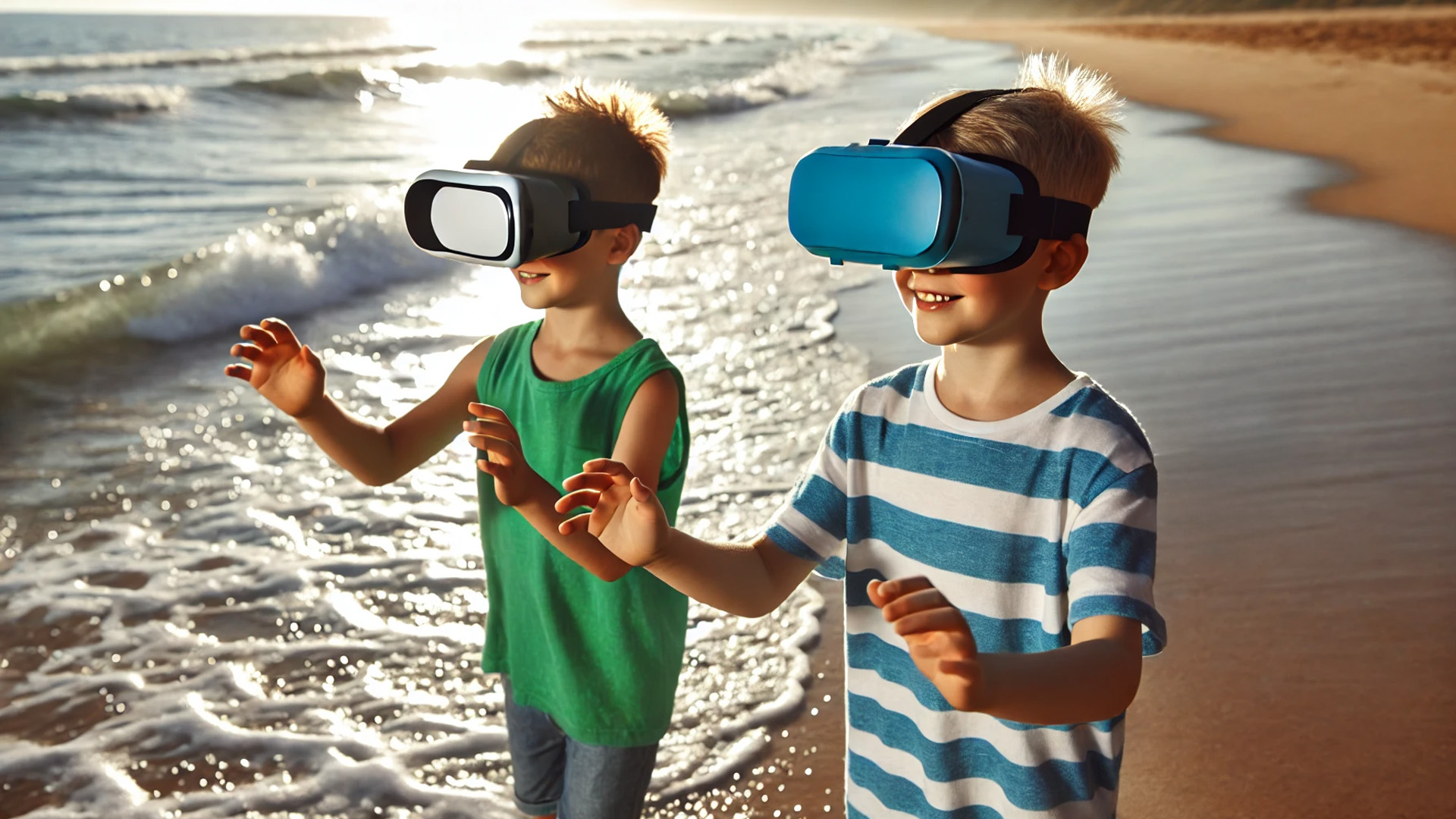
VR tourism also caters to adventure enthusiasts who seek thrills and exploration without physical risks. Virtual reality offers experiences such as virtual skydiving, scuba diving, and hiking, providing users with the excitement of these activities in a controlled environment. VR adventure simulations allow users to experience the adrenaline rush of extreme sports or the tranquility of exploring underwater ecosystems.
Platforms like The Wild Immersion offer virtual safaris that immerse users in the wildlife of Africa. Users can virtually observe animals in their natural habitats, providing an educational and thrilling experience without impacting the wildlife or environment.
Cultural and Historical Reenactments
Another fascinating application of VR tourism is cultural and historical reenactments. VR can recreate historical events, traditional ceremonies, and cultural practices, allowing users to experience them as if they were part of the scene. These immersive experiences offer valuable insights into different cultures and historical periods.
For instance, VR can transport users to ancient Rome during a gladiatorial combat, or to a traditional Japanese tea ceremony. By participating in these reenactments, users gain a deeper appreciation for cultural practices and historical events.
The Future of Virtual Reality Tourism
As technology continues to advance, the future of VR tourism looks promising. Several trends and innovations are likely to shape the evolution of virtual travel experiences:
Enhanced Immersion
Advancements in VR hardware and software will continue to enhance immersion in virtual environments. Improvements in headset resolution, haptic feedback, and spatial audio will create even more realistic and engaging virtual experiences. The integration of artificial intelligence (AI) and machine learning will enable more personalized and adaptive virtual tours, tailoring experiences to individual preferences and interests.
Integration with Augmented Reality (AR)
The integration of Virtual Reality with Augmented Reality (AR) will offer new possibilities for tourism experiences. AR technology can overlay digital information onto the real world, enhancing physical travel with additional virtual content. For example, AR-guided tours can provide real-time information and interactive elements as users explore a physical location.
Expansion of Virtual Travel Services
As VR tourism becomes more mainstream, we can expect an expansion of virtual travel services and platforms. Travel agencies, tour operators, and hospitality providers will increasingly incorporate VR into their offerings, providing virtual previews, guided tours, and interactive experiences. This expansion will make VR tourism more accessible and diverse, catering to a wider range of interests and preferences.
Collaboration with Cultural Institutions
Collaboration between VR developers and cultural institutions will continue to drive innovation in virtual tourism. Museums, galleries, and historical sites will partner with VR companies to create immersive and educational experiences. These collaborations will enhance the cultural and historical richness of virtual tourism, offering users deeper insights into the world's heritage.
Virtual Reality tourism represents a transformative leap in how we experience and explore the world. By offering immersive and interactive virtual experiences, VR tourism overcomes the limitations of physical travel, providing accessibility, educational value, and convenience. From virtual destinations and museum tours to adventure simulations and cultural reenactments, VR tourism caters to a diverse range of interests and preferences.
As technology continues to evolve, the future of VR tourism promises even greater advancements in immersion, interactivity, and accessibility. Whether you're exploring historical landmarks, experiencing cultural practices, or embarking on virtual adventures, VR tourism opens up new possibilities for discovering the world from the comfort of your own home. As we embrace this innovative form of travel, we can look forward to a future where the wonders of the world are just a virtual reality headset away.
The Future of Virtual Reality Tourism
Author: Elisha Roodt
Redefining the architecture of travel through immersive spatial reality and enterprise tourism solutions, making it possible to explore the world without limits.