
Virtual Reality Cruises: Explore the Oceans from Home
The Emergence of Virtual Reality Cruises The concept of travel has always been tied to the physical. Boarding a plane, cruising on a ship, or...
The Emergence of Virtual Reality Cruises
The concept of travel has always been tied to the physical. Boarding a plane, cruising on a ship, or driving through scenic landscapes have been the traditional methods of exploring the world. But as technology advances, our definition of travel is evolving in profound ways. Virtual reality (VR) cruises offer an entirely new dimension, enabling people to traverse the world’s oceans from the comfort of their homes. No longer bound by time, geography, or even physical capability, virtual reality cruises allow users to immerse themselves in a world that replicates the thrill and beauty of ocean exploration. The idea that you can set sail without leaving your living room is not just futuristic—it’s a reality.
How Virtual Reality is Revolutionizing Travel from Home
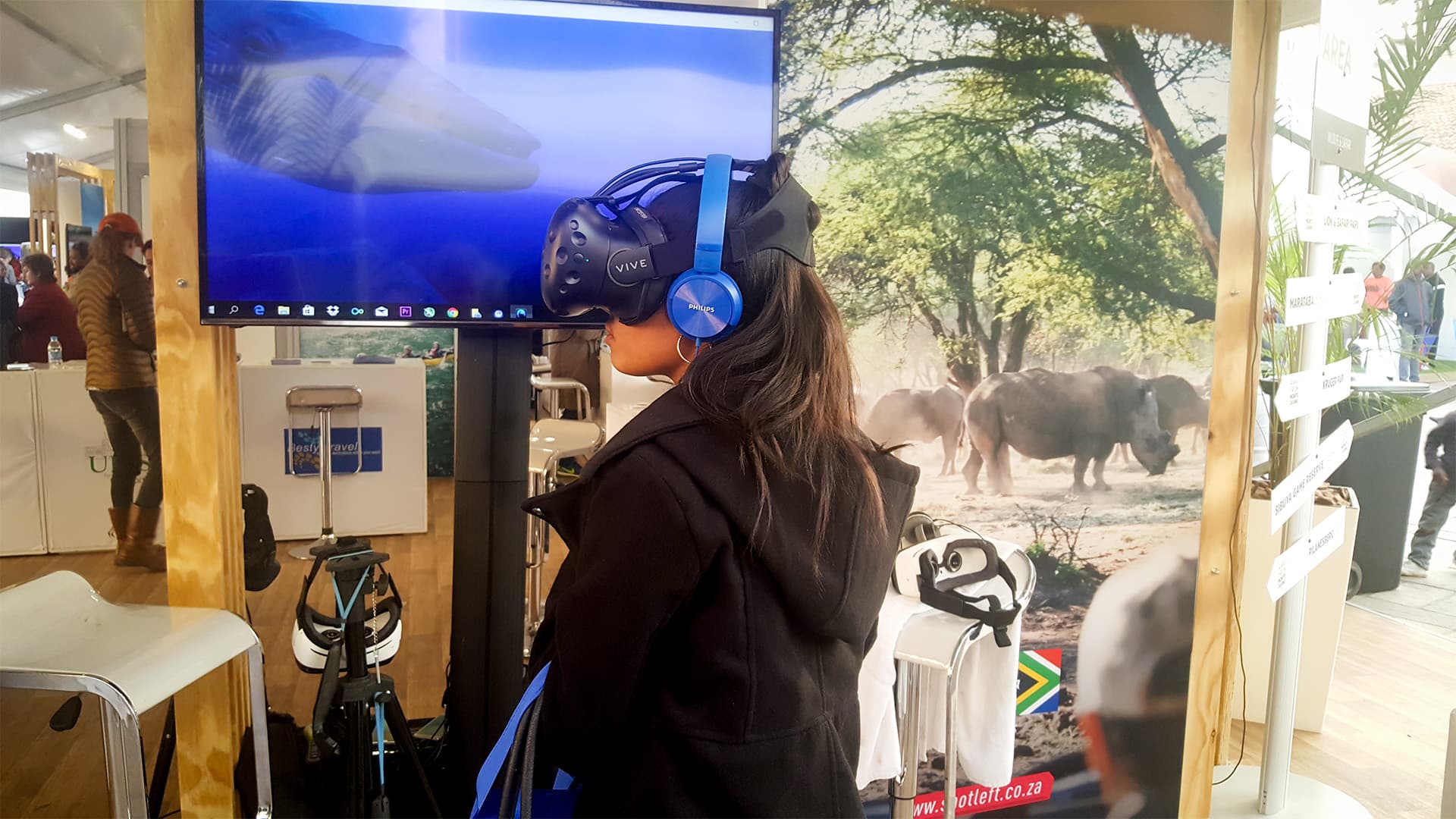
Virtual reality has changed the way we perceive experiences. No longer relegated to gaming and entertainment, VR has entered the realm of travel, bringing the world to individuals in ways that were once thought impossible. For those who cannot travel due to health, financial, or logistical reasons, virtual reality opens doors to far-flung destinations that once required a significant investment of time and money. With just a headset, users can embark on virtual cruises, feeling the ocean’s vastness, hearing the waves crash, and even witnessing marine life up close. This immersive technology brings a sensory-rich experience that mimics the allure of real-world travel, without the confines of physical limitations.
The Rise of VR Experiences During Global Travel Restrictions
The COVID-19 pandemic catalyzed a surge in virtual experiences as global travel came to a halt. With borders closed and cruises docked, those with a thirst for adventure turned to virtual reality as an escape. VR platforms began offering users the chance to travel in their imagination, with a virtual world that mirrored the real one. While the pandemic was the initial spark, the convenience and allure of VR travel have persisted, attracting travelers who now see it as a supplement—or even an alternative—to traditional vacations.
Why VR Cruises are Becoming Popular Among Ocean Lovers
For those with an affinity for the sea, virtual reality cruises have become an exciting alternative to traditional ocean voyages. Without the limitations of seasickness or cabin fever, ocean lovers can explore the depths of the world's most breathtaking waters. VR cruises offer the possibility to interact with marine ecosystems and navigate famous shipping routes from a new vantage point. The immersive experience is as close to reality as technology allows, making it a highly attractive option for ocean enthusiasts and armchair travelers alike.
The Technology Behind Virtual Reality Cruises
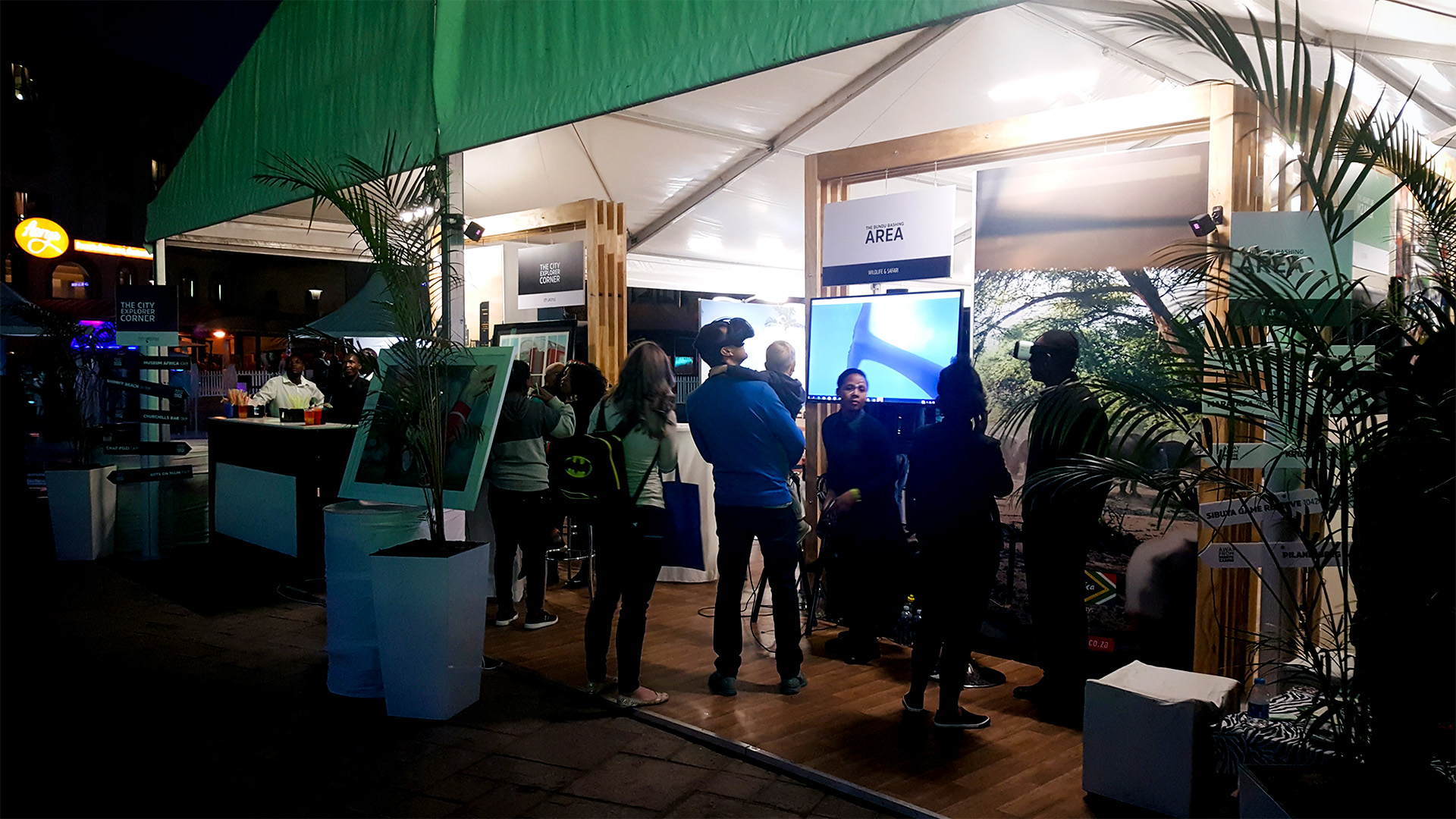
The marvel of virtual reality cruises lies in the sophisticated technology that powers them. By leveraging advancements in immersive tech, VR cruises offer a multisensory journey that goes beyond just sight. These experiences integrate sight, sound, and in some cases, touch, to simulate the feeling of being aboard a ship or submerged in the ocean’s depths.
Immersive Technologies That Bring the Ocean to Your Living Room
At the heart of virtual reality cruises is immersive technology. High-definition visuals, spatial audio, and interactive interfaces work in harmony to create a lifelike experience. The sensation of looking out over an expansive ocean, hearing the creak of the ship’s hull, or watching the sunset over the water feels tangible. Haptic feedback technology, which simulates touch, can even allow users to “feel” the gentle sway of the boat or the splash of seawater, further enhancing the realism.
The Role of 360-Degree Videos and Interactive Elements
A key component of virtual reality cruises is the use of 360-degree videos, which allow for complete immersion. These videos enable users to explore in all directions, mimicking the freedom of movement experienced on an actual cruise. Interactive elements, such as the ability to select destinations, explore ship decks, or dive beneath the waves, put control in the hands of the user. Unlike traditional media, where the experience is passive, virtual reality demands active participation, making the adventure more engaging and personal.
The Evolution of VR Headsets: From Niche to Mainstream
VR headsets have undergone a significant transformation, evolving from bulky, expensive equipment into sleek, user-friendly devices that are accessible to a broader audience. As these devices become more affordable and comfortable, the adoption of VR experiences like virtual cruises is expected to increase. Today’s headsets offer stunningly sharp displays, responsive motion tracking, and compatibility with a wide range of content platforms, making VR cruises more lifelike and enjoyable than ever before.
Exploring Famous Oceans and Destinations Virtually
With virtual reality cruises, the possibilities are virtually endless. From the pristine waters of the Caribbean to the rugged coastline of the Mediterranean, users can experience iconic ocean destinations as though they were actually there.
Virtual Journeys to Iconic Ocean Locations: Caribbean, Mediterranean, and Beyond
Imagine standing on the bow of a virtual ship as it sails through the turquoise waters of the Caribbean, or exploring the sun-drenched Mediterranean coast, all without leaving home. Virtual reality cruises bring these iconic destinations to life, allowing users to explore popular cruise routes and hidden gems alike. Whether it’s the fjords of Norway or the serene beauty of the South Pacific, VR cruises make it possible to explore every corner of the globe in exquisite detail.
Underwater Adventures: Dive Deep with Marine Life in Full VR
One of the most exciting aspects of virtual reality cruises is the ability to venture beneath the waves. Users can don their VR headsets and dive into underwater worlds teeming with marine life. From swimming with dolphins to exploring coral reefs, VR offers a unique way to experience the wonders of the ocean’s depths. These underwater excursions provide a perspective that’s often unavailable on traditional cruises, allowing users to see the ocean from a new, immersive angle.
Sailing the Seven Seas: Exploring Remote Islands and Hidden Gems
Beyond popular cruise destinations, virtual reality also opens up the possibility of visiting remote islands and hidden gems that are often overlooked in real-life itineraries. Users can sail through lesser-known regions like the Andaman Sea or the Galápagos Islands, discovering unique wildlife and stunning landscapes that are difficult to access in reality. VR cruises offer unparalleled freedom to explore the world’s oceans on your own terms.
Customizing Your VR Cruise Experience
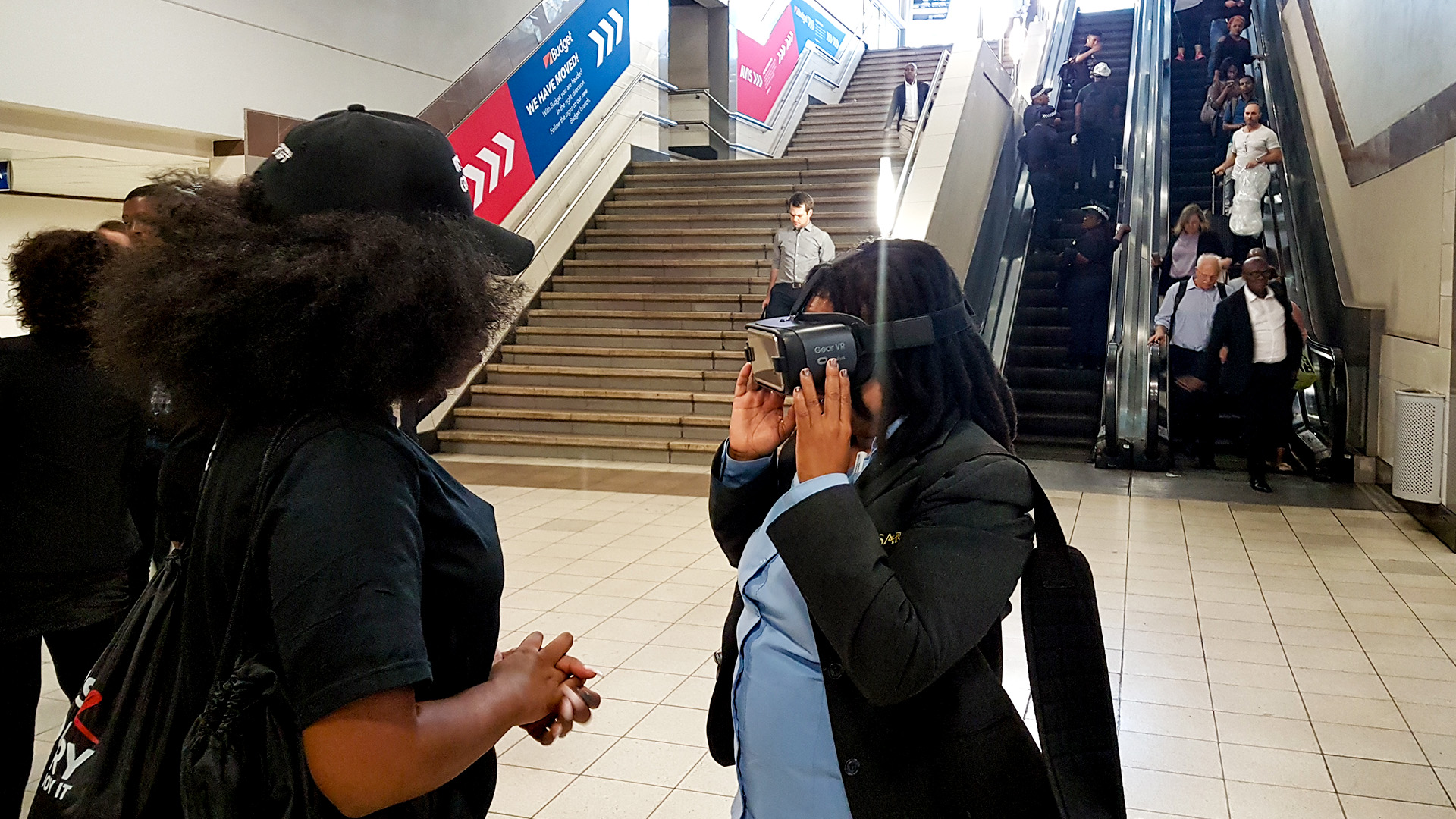
A defining feature of virtual reality cruises is the ability to personalize every aspect of the journey. Unlike traditional cruises with fixed itineraries and schedules, VR cruises allow users to create their own adventure, ensuring a unique and unforgettable experience.
Personalized VR Cruises: Tailoring Your Virtual Getaway to Your Preferences
Customization is key when it comes to VR cruises. Users can choose the destinations, activities, and even the type of ship they want to sail on. Whether you’re looking for a relaxing journey through calm waters or an adventurous trek through stormy seas, VR allows you to tailor your experience to match your preferences. This level of personalization ensures that no two virtual cruises are the same.
Choosing Your Own Adventure: Interactive Choices in Virtual Exploration
Interactive elements in VR cruises add another layer of engagement. Users can make choices throughout the journey, such as selecting specific activities like virtual snorkeling, on-board entertainment, or shore excursions. These choices allow users to shape the narrative of their cruise, making it more immersive and reflective of their interests.
Virtual Tour Guides: Experiencing the Ocean Through Expert Narration
To enhance the experience, many virtual reality cruises come equipped with virtual tour guides. These guides provide expert narration, sharing insights about the destinations, marine life, and oceanography as users explore. It’s not just about seeing the world—it’s about learning and gaining a deeper understanding of the oceans and their ecosystems.
Environmental Impact and Education: Learning While Exploring
One of the greatest advantages of virtual reality cruises is their minimal environmental impact. While traditional cruises contribute to ocean pollution and carbon emissions, VR cruises offer a sustainable alternative that allows users to explore the seas without harming the planet.
Sustainable Travel Through VR: Reducing the Carbon Footprint
With the growing concern over climate change, many travelers are seeking more sustainable ways to experience the world. Virtual reality cruises offer a carbon-neutral alternative to traditional travel, eliminating the environmental footprint associated with fuel consumption and waste production. By choosing VR, users can enjoy the beauty of the oceans without contributing to their degradation.
Raising Awareness About Ocean Conservation Through Virtual Cruises
Virtual reality is also a powerful tool for raising awareness about the importance of ocean conservation. Many VR cruises include educational content that highlights the challenges facing marine ecosystems, such as overfishing, plastic pollution, and coral bleaching. By immersing users in these environments, VR can foster a deeper connection to the oceans and inspire action to protect them.
Educational Benefits: Learning About Marine Ecosystems and Conservation Efforts
In addition to offering an entertaining escape, virtual reality cruises serve as educational platforms. Users can learn about marine biology, oceanography, and conservation efforts through interactive experiences and expert narration. These virtual voyages not only broaden one’s horizons but also cultivate a deeper understanding of the natural world.
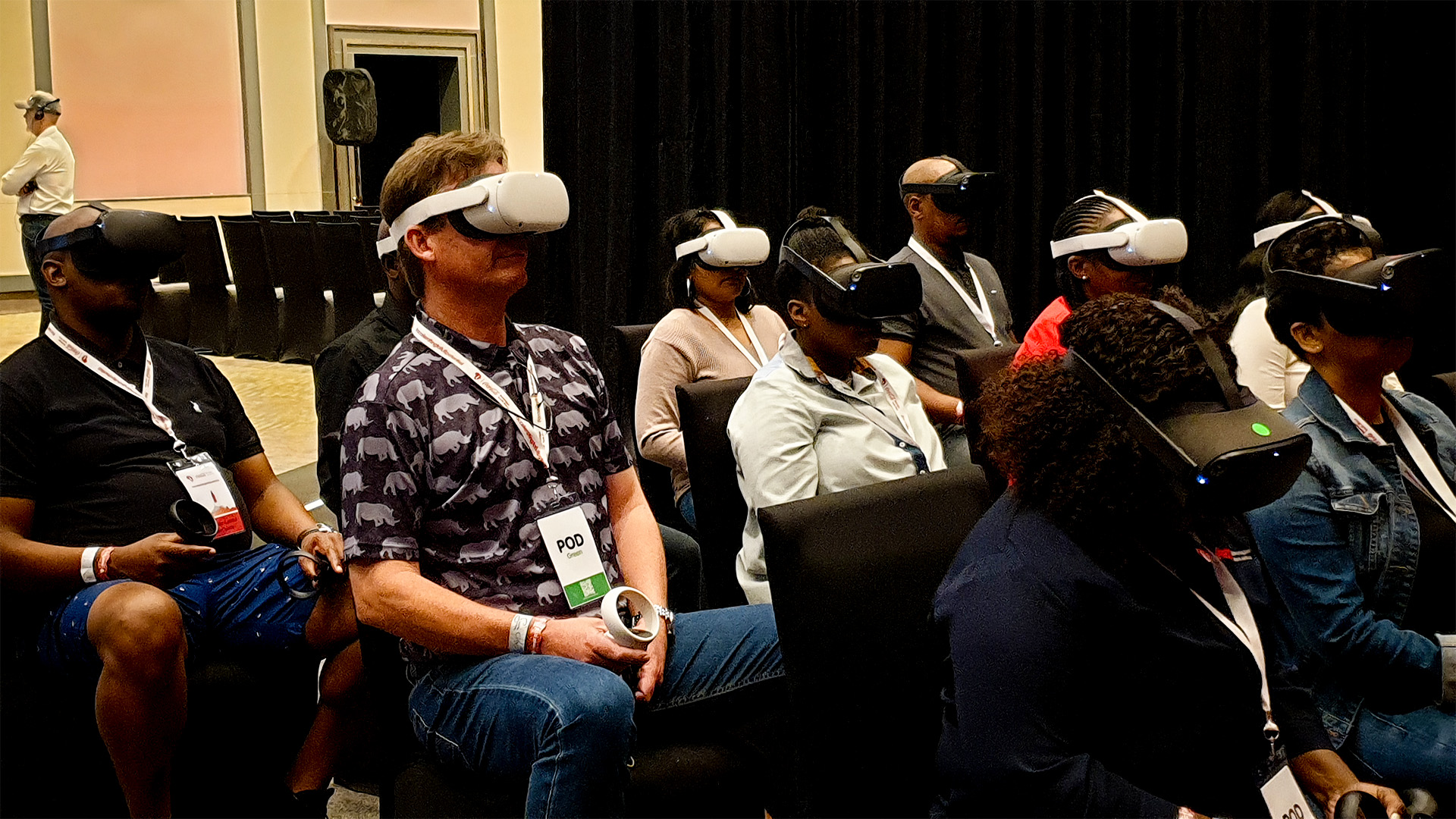
As technology continues to advance, the future of virtual reality cruises looks bright. Emerging innovations in artificial intelligence and virtual reality are poised to take these experiences to new heights, offering even more immersive and personalized adventures.
Integrating AI and VR: The Next Frontier in Virtual Travel
The integration of artificial intelligence with virtual reality is expected to revolutionize the travel experience. AI-powered VR cruises could offer hyper-personalized itineraries, adaptive storytelling, and real-time interactions with virtual environments. This next frontier in virtual travel promises to make VR cruises even more engaging and lifelike.
What Future Innovations Could Mean for VR Travel Experiences
Future innovations in VR technology could also include sensory enhancements such as smell and taste, making the experience even more immersive. Imagine being able to smell the salty sea air or taste the cuisine of a virtual cruise ship’s restaurant. As these technologies evolve, the line between virtual and reality will continue to blur,
creating experiences that are nearly indistinguishable from the real thing.
Will VR Cruises Supplement or Replace Traditional Cruises?
As virtual reality cruises gain popularity, some may wonder whether they will replace traditional cruises entirely. While VR cruises offer many advantages—such as accessibility, affordability, and environmental sustainability—it is unlikely they will fully replace the traditional cruise experience. Instead, VR cruises will likely serve as a supplement, providing a way for travelers to explore the oceans before or after real-world adventures.
The Endless Possibilities of Virtual Reality Ocean Exploration
Virtual reality cruises are opening up a new frontier in travel, offering an innovative and accessible way to explore the oceans from home. As the technology continues to advance, the possibilities for virtual travel are virtually endless. Whether you’re seeking adventure, education, or relaxation, VR cruises provide a captivating and sustainable alternative to traditional travel.
How VR Cruises Allow Us to Reimagine Travel from the Comfort of Home
In an age where convenience and sustainability are more important than ever, VR cruises allow us to reimagine what it means to travel. From exploring remote islands to diving deep into the ocean’s depths, virtual reality offers an exciting and immersive way to experience the world’s wonders without ever leaving home.
Final Thoughts on the Potential of VR in the Tourism Industry
As the tourism industry continues to adapt to new challenges and opportunities, virtual reality is poised to play a significant role. Whether as a supplement to real-world travel or as a standalone experience, VR has the potential to revolutionize the way we explore the world, bringing the beauty of the oceans and beyond into the homes of travelers everywhere.

The Future Of Virtual Reality Cruises
Author: Elisha Roodt
Redefining the architecture of travel through immersive spatial reality and enterprise tourism solutions, making it possible to explore the world without limits.