Top Virtual Travel Destinations in 2024
The year 2024 marks an extraordinary chapter in the evolution of travel, where the physical boundaries of the world blur, and the unimaginable...
The year 2024 marks an extraordinary chapter in the evolution of travel, where the physical boundaries of the world blur, and the unimaginable becomes accessible. Virtual Reality (VR), once a niche technology for gaming and entertainment, has catapulted itself into the travel industry, offering immersive experiences that allow individuals to explore the farthest corners of the globe without leaving their homes. This digital revolution has opened up new possibilities, allowing people to transcend geographical limitations and dive into virtual renditions of some of the world’s most breathtaking destinations. As we delve into the top virtual travel destinations of 2024, it becomes evident that VR is not just a substitute for physical travel but a complementary experience that enriches our understanding of the world.
The Rise of Virtual Travel in 2024
How Virtual Reality is Transforming the Travel Experience
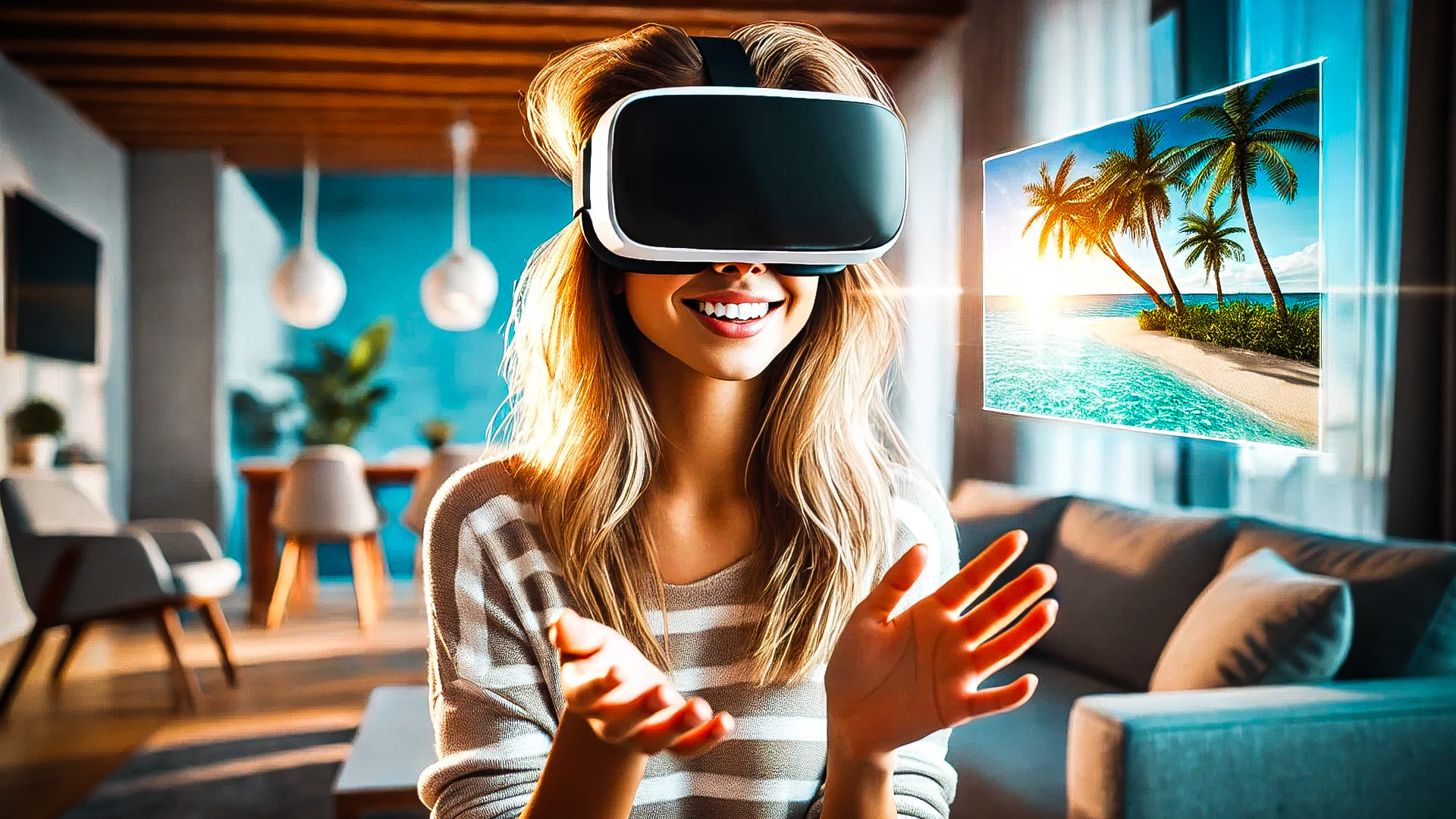
In 2024, Virtual Reality is redefining what it means to travel. No longer confined to the physical act of moving from one place to another, travel in the VR era transcends the constraints of time, space, and budget. Virtual Reality offers an unprecedented level of immersion, enabling users to experience a destination as if they were physically there. The sensation of standing atop Machu Picchu, wandering through the streets of Paris, or exploring the depths of the Great Barrier Reef can now be achieved through a headset and a pair of hand controllers. This transformation is not merely about convenience; it’s about access. For those who may never have the opportunity to visit these places in person, VR offers a window to the world.
Benefits of Virtual Travel: Convenience, Cost, and Accessibility
The allure of virtual travel lies not only in its immersive nature but also in its practicality. The convenience of exploring a new destination without the need for passports, flights, or hotels is a compelling advantage. Virtual travel eliminates the logistical challenges of planning a trip, making it possible to embark on a spontaneous journey at any time. Moreover, the cost-effectiveness of virtual travel cannot be overstated. Traditional travel can be prohibitively expensive, but VR democratizes the experience, allowing people from all walks of life to explore the world. Accessibility is another crucial factor. For individuals with physical disabilities or health concerns, VR opens up new avenues for exploration that were previously out of reach.
Overview of Virtual Reality Technologies Used in Travel
The technological advancements fueling the rise of virtual travel are both sophisticated and diverse. High-definition VR headsets, such as the Oculus Rift, HTC Vive, and PlayStation VR, provide users with an immersive visual experience that mimics the real world with astonishing detail. Motion tracking and haptic feedback enhance the sensory experience, allowing users to interact with their virtual environment in a way that feels natural and intuitive. Meanwhile, 360-degree cameras and drones are being used to capture stunning panoramas of real-world locations, which are then translated into VR environments. These technologies are continually evolving, with improvements in resolution, field of view, and motion tracking, ensuring that virtual travel experiences are more realistic and engaging than ever before.
Exploring Iconic Landmarks Through Virtual Reality
Virtual Tours of World-Famous Monuments
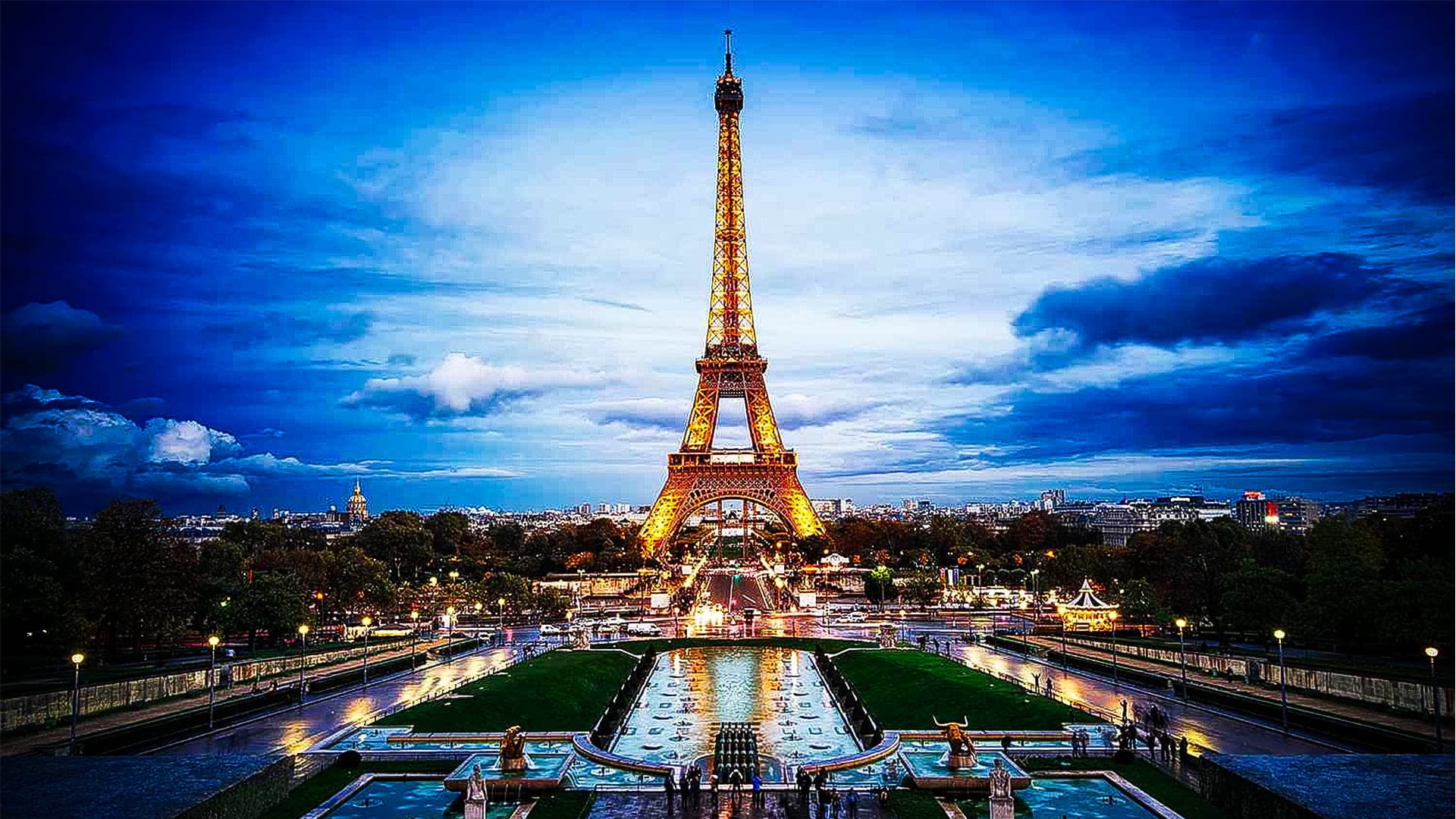
Virtual Reality has made it possible to visit some of the world’s most iconic landmarks without the need for a plane ticket. From the Eiffel Tower to the Pyramids of Giza, virtual tours offer an experience that is remarkably close to the real thing. These virtual tours often include guided commentary, providing context and historical background that enhances the experience. Users can wander through the halls of the Louvre, stand at the base of the Statue of Liberty, or take in the view from the top of the Burj Khalifa, all from the comfort of their own home. These experiences are designed to be both educational and awe-inspiring, allowing users to appreciate these global treasures in a whole new way.
Experiencing Historical Sites in High Definition
The preservation of historical sites is a critical concern in the real world, with many sites at risk due to environmental factors, tourism, and conflict. Virtual Reality offers a solution to this problem by providing high-definition experiences of these sites that can be preserved indefinitely. Whether it’s the ancient ruins of Pompeii or the medieval castles of Europe, VR allows users to explore these locations in incredible detail. High-definition rendering ensures that every stone, every carving, and every artifact is faithfully reproduced, offering a level of detail that can often surpass what is visible to the naked eye in person. This level of detail is particularly valuable for educational purposes, as it allows users to study and appreciate historical sites in a way that is both immersive and interactive.
Interactive Features: Bringing History to Life
Virtual Reality is not just about passive observation; it’s about interaction. Many virtual travel experiences include interactive features that bring history to life. Users can participate in historical reenactments, explore different time periods, or engage with virtual characters that provide insights into the culture and history of a location. For example, a virtual visit to the Colosseum in Rome might include the opportunity to witness a gladiatorial battle, complete with realistic sound effects and animations. These interactive elements transform the virtual travel experience from a simple tour into an engaging, educational adventure that deepens the user’s understanding of the past.
Virtual Nature Escapes: Journeying Through Natural Wonders
Immersive VR Experiences in National Parks
The natural world holds a unique allure, offering landscapes of breathtaking beauty and tranquility. Virtual Reality has made it possible to explore these natural wonders in ways that were previously unimaginable. Immersive VR experiences in national parks allow users to traverse the rugged terrain of the Grand Canyon, hike through the lush forests of Yosemite, or gaze upon the geothermal marvels of Yellowstone. These experiences are designed to capture the essence of these natural landscapes, from the sound of rustling leaves to the sight of a cascading waterfall. By combining high-definition visuals with spatial audio and haptic feedback, VR provides an experience that is as close to being there as possible.
Virtual Underwater Adventures: Exploring Coral Reefs
The underwater world is a realm of mystery and wonder, teeming with life and vibrant colors. Virtual Reality allows users to dive into this world without getting wet. Virtual underwater adventures take users on a journey through some of the world’s most spectacular coral reefs, such as the Great Barrier Reef in Australia or the Coral Triangle in Southeast Asia. These experiences are meticulously crafted to showcase the beauty and diversity of marine life, from schools of shimmering fish to the graceful movements of sea turtles. For those who may never have the opportunity to go scuba diving in real life, VR offers a chance to explore this underwater paradise in stunning detail.
Walking Through the Wilderness: VR Forest and Mountain Hikes
For many, the appeal of nature lies in the sense of solitude and connection with the environment. Virtual Reality captures this experience by offering users the chance to embark on virtual hikes through some of the world’s most scenic forests and mountain ranges. Whether it’s the dense, misty forests of the Pacific Northwest or the towering peaks of the Himalayas, VR provides a sensory-rich experience that allows users to feel as though they are truly walking through these environments. The ability to pause, explore, and interact with the surroundings enhances the feeling of immersion, making these virtual hikes a rewarding experience for nature lovers and adventure seekers alike.
Cultural Immersion: Experiencing Global Festivals and Traditions
Attending Iconic Festivals Virtually: A Global Celebration
Festivals are a celebration of culture, bringing together people from all walks of life to enjoy music, dance, food, and tradition. Virtual Reality makes it possible to attend these festivals from anywhere in the world. Whether it’s the vibrant colors of Holi in India, the electrifying atmosphere of Carnival in Brazil, or the solemn rituals of Japan’s Obon festival, VR offers an immersive experience that captures the essence of these cultural celebrations. Users can participate in the festivities, interact with other virtual attendees, and even join in the dancing and singing. This ability to experience global festivals in real-time allows for a deeper understanding and appreciation of different cultures.
Exploring Cultural Heritage Sites from Around the World
Cultural heritage sites are the guardians of history, preserving the stories and traditions of civilizations long past. Virtual Reality opens the doors to these sites, allowing users to explore them in unparalleled detail. From the ancient temples of Angkor Wat in Cambodia to the majestic ruins of Machu Picchu in Peru, VR provides a virtual passport to some of the world’s most significant cultural landmarks. These experiences are often accompanied by guided tours that provide historical context, explaining the significance of each site and its place in the tapestry of human history. The result is an experience that is both educational and deeply moving.
Virtual Museum Tours: Art and History at Your Fingertips
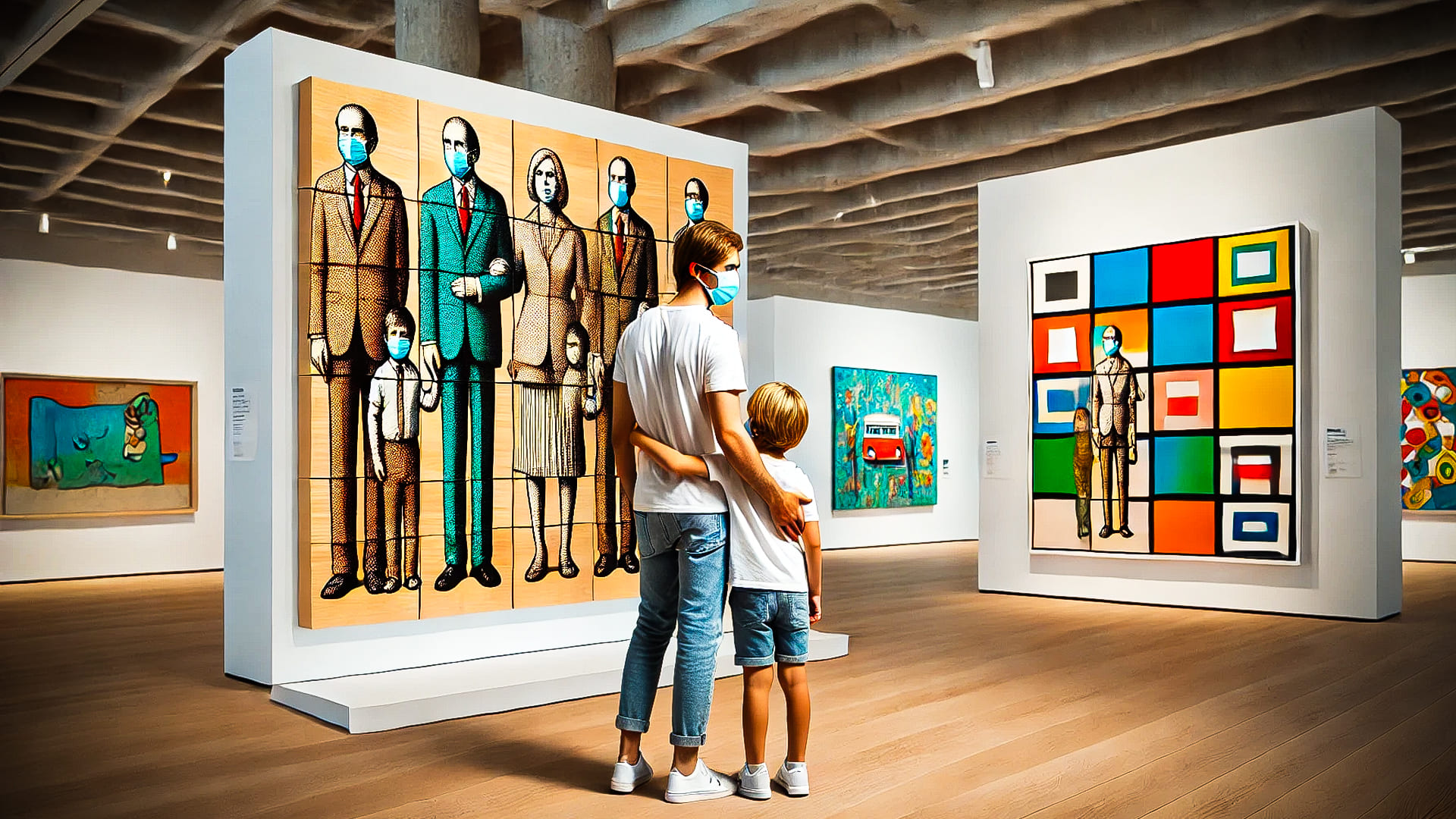
Museums are the custodians of art and history, offering a glimpse into the creativity and intellect of humanity. Virtual Reality has revolutionized the museum experience, making it possible to tour some of the world’s most prestigious museums from anywhere in the world. The Louvre, the British Museum, the Smithsonian—these institutions and many others have embraced VR technology to offer virtual tours that are both informative and engaging. Users can wander through the galleries, admire the artwork, and even zoom in on details that might be missed in a physical visit. With the ability to access curated exhibitions and expert commentary, VR museum tours provide an enriching cultural experience that is accessible to all.
Adrenaline Adventures: Virtual Reality for Thrill-Seekers
Virtual Skydiving, Bungee Jumping, and Extreme Sports
For those who crave adrenaline and excitement, Virtual Reality offers a way to experience extreme sports without the associated risks. Virtual skydiving, bungee jumping, and other extreme sports provide a thrilling experience that feels remarkably real. The sensation of freefall, the rush of wind, and the breathtaking views all contribute to an experience that gets the heart racing. These VR experiences are designed to be as realistic as possible, using advanced motion tracking and haptic feedback to simulate the physical sensations of these activities. For thrill-seekers, VR offers a way to push the boundaries of what is possible, all from the safety of their own home.
Experiencing Famous Roller Coasters and Theme Parks in VR
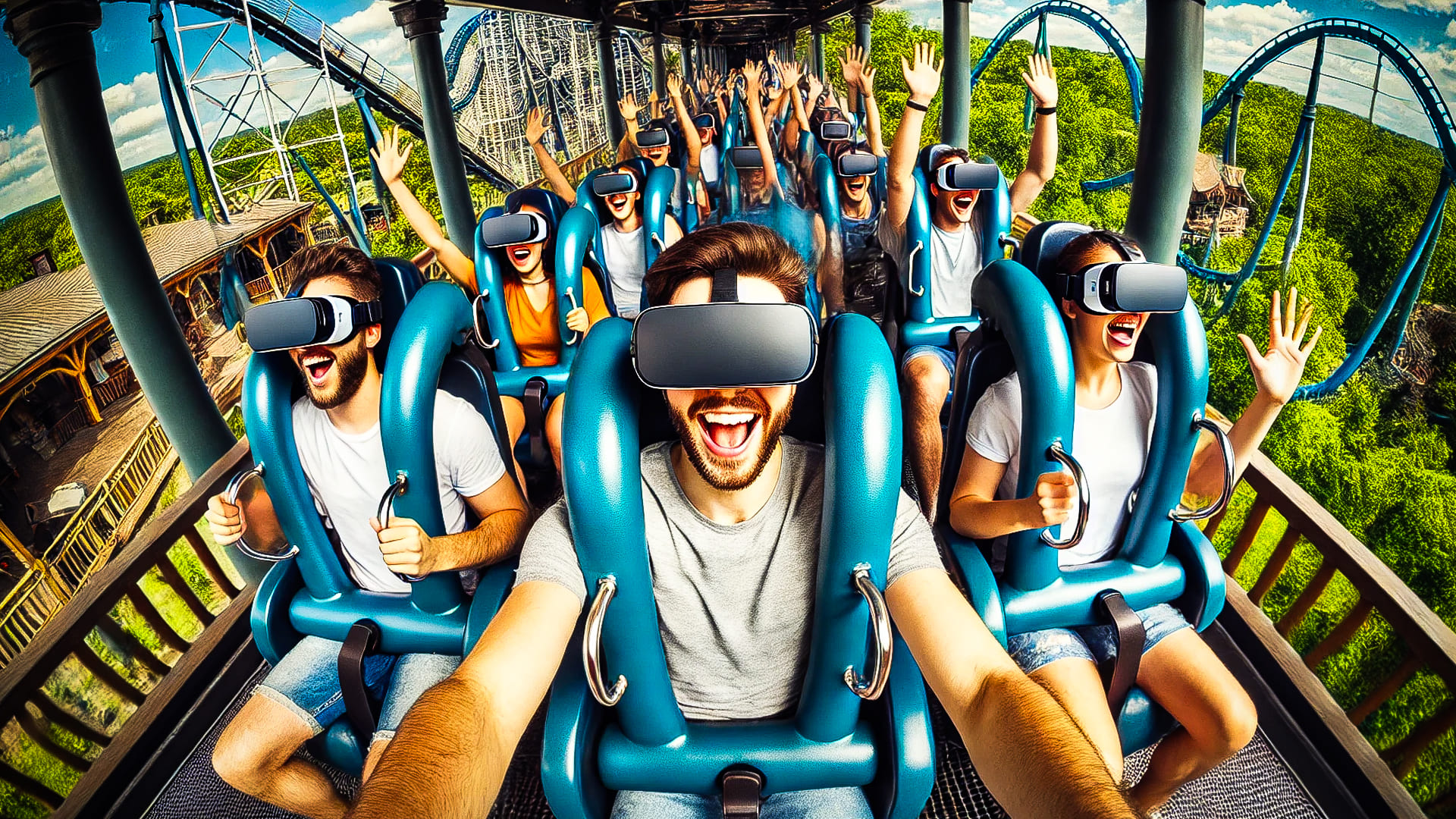
Theme parks are a playground for the adventurous, offering rides and attractions that thrill and delight. Virtual Reality brings the excitement of theme parks to life, allowing users to experience famous roller coasters and attractions from around the world. Whether it’s the gravity-defying loops of the Steel Vengeance coaster at Cedar Point or the immersive storytelling of Disney’s Star Wars: Rise of the Resistance, VR provides a front-row seat to the action. These virtual experiences are meticulously crafted to capture the speed, motion, and excitement of the rides, offering a taste of the theme park experience without the need for long lines and crowded parks.
Virtual Expeditions to the World’s Most Dangerous Locations
The world is full of places that are beautiful yet dangerous, offering a sense of adventure that is hard to match. Virtual Reality allows users to embark on expeditions to some of these locations without the associated risks. Whether it’s exploring the icy landscapes of Antarctica, venturing into the heart of the Amazon rainforest, or scaling the treacherous peaks of Mount Everest, VR provides an experience that is both thrilling and educational. These virtual expeditions are designed to simulate the challenges and dangers of these environments, offering a glimpse into what it takes to survive and thrive in some of the world’s most inhospitable places.
Luxury Travel: Exploring the World’s Finest Destinations in VR
Virtual Tours of Luxury Resorts and Hotels
Luxury travel is all about indulgence, offering experiences that are both opulent and exclusive. Virtual Reality brings the world’s finest resorts and hotels to life, allowing users to explore these destinations in stunning detail. From the overwater bungalows of the Maldives to the lavish suites of the Ritz-Carlton, VR offers a taste of the luxury lifestyle. These virtual tours often include guided experiences that showcase the amenities, services, and unique features of each property, allowing users to imagine themselves as guests. For those planning a luxury vacation, VR provides an invaluable tool for choosing the perfect destination.
Experiencing Fine Dining and Gourmet Cuisine Virtually
The world of fine dining is an art form, with chefs creating dishes that are as beautiful as they are delicious. Virtual Reality offers a way to experience gourmet cuisine without leaving home. Virtual dining experiences allow users to explore some of the world’s most prestigious restaurants, complete with virtual tastings and chef-guided tours. These experiences are designed to showcase the creativity and skill of the chefs, offering insights into the preparation and presentation of each dish. While the taste of the food may be missing, the visual and auditory elements provide a rich and engaging experience that is sure to whet the appetite.
High-End Shopping and Fashion Shows in Virtual Reality
For those who love fashion and shopping, Virtual Reality offers a new way to explore the world of luxury retail. Virtual shopping experiences allow users to browse high-end boutiques and flagship stores from around the world, complete with personalized recommendations and virtual try-ons. Whether it’s the latest collection from Chanel or a custom-tailored suit from Savile Row, VR brings the world of fashion to life. Virtual fashion shows offer a front-row seat to the latest runway collections, with the ability to view the garments up close and in motion. These experiences are designed to be both inspiring and aspirational, offering a glimpse into the world of haute couture.
Educational and Eco-Friendly Virtual Travel
Learning About the Environment Through Virtual Ecotours
The natural world is a delicate and precious resource, and understanding its complexities is essential for its preservation. Virtual Reality offers an innovative way to learn about the environment through virtual ecotours. These experiences take users on a journey through some of the world’s most important ecosystems, from the rainforests of the Amazon to the coral reefs of the Pacific. Guided by environmental experts, these tours provide insights into the flora and fauna of each region, as well as the challenges they face. By highlighting the importance of conservation and sustainability, virtual ecotours offer an educational experience that is both enlightening and impactful.
Educational VR Experiences: Geography, History, and Science
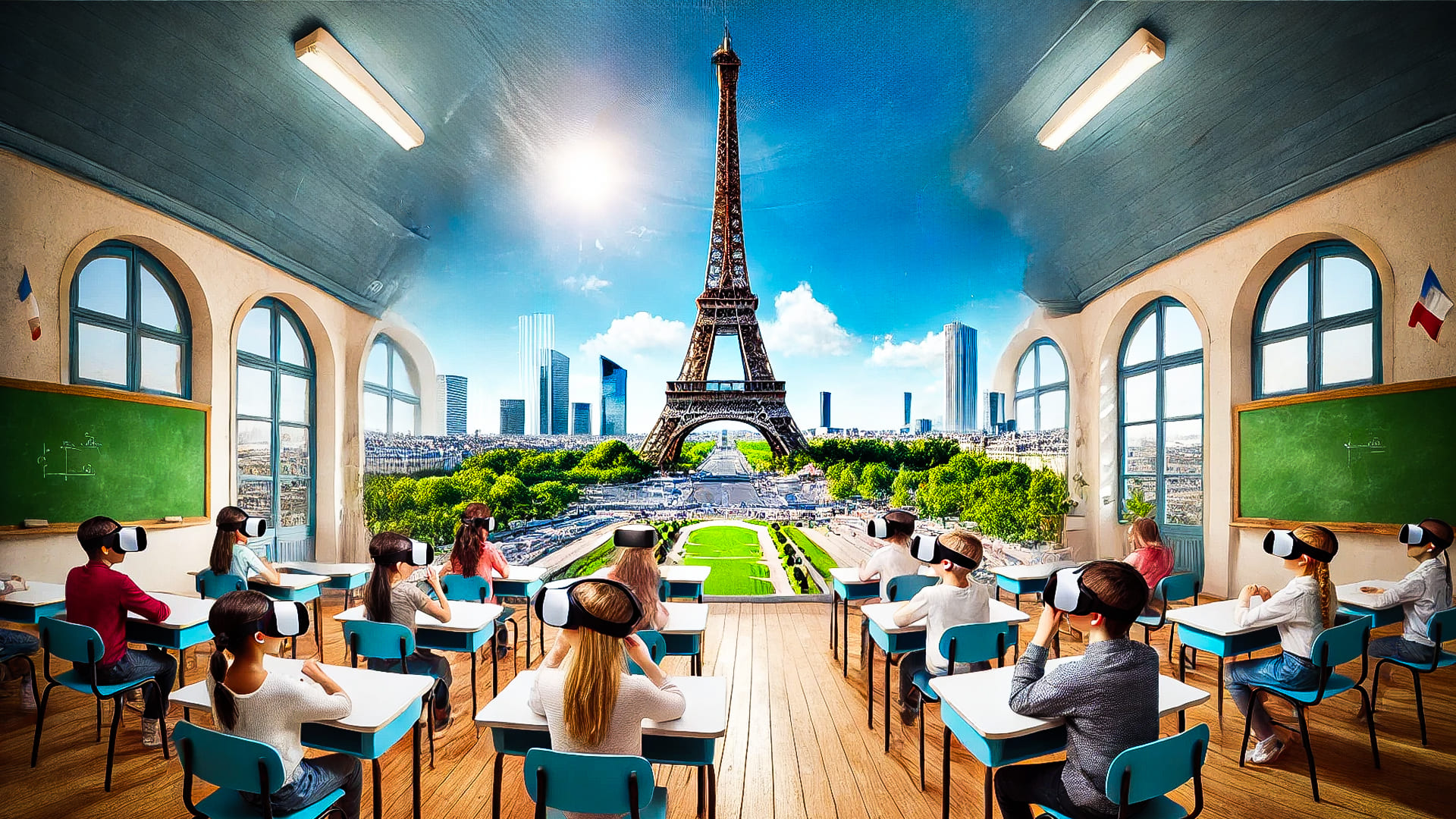
Education is one of the most powerful applications of Virtual Reality, offering immersive experiences that bring subjects like geography, history, and science to life. Virtual travel experiences allow students to explore the world in ways that traditional textbooks cannot. Whether it’s a virtual field trip to the Great Wall of China, a journey through the solar system, or a deep dive into the human body, VR provides an engaging and interactive way to learn. These educational experiences are designed to be both informative and enjoyable, making learning an adventure rather than a chore.
The Eco-Friendly Impact of Choosing Virtual Travel in 2024
In a world increasingly concerned with environmental sustainability, Virtual Reality offers a more eco-friendly alternative to traditional travel. The carbon footprint of air travel is a significant contributor to global warming, and reducing our reliance on it is crucial for the planet’s health. Virtual travel provides a way to explore the world without contributing to pollution and environmental degradation. By choosing VR experiences over traditional travel, individuals can reduce their carbon footprint while still satisfying their wanderlust. This shift towards more sustainable travel practices is not only beneficial for the environment but also for future generations who will inherit the planet.
Future Trends: What’s Next for Virtual Travel
Emerging Technologies Shaping the Future of Virtual Travel
The future of virtual travel is bright, with emerging technologies poised to take the experience to new heights. Advances in artificial intelligence, augmented reality, and haptic technology are just a few of the innovations that will shape the next generation of virtual travel experiences. AI-powered virtual guides will offer personalized tours based on individual preferences, while augmented reality will blend the virtual and real worlds in ways that are seamless and intuitive. Haptic technology will allow users to feel textures, temperatures, and even the wind on their face, adding a new dimension of realism to the experience. As these technologies continue to evolve, the possibilities for virtual travel are virtually limitless.
Predictions for Virtual Travel Destinations Beyond 2024
As we look beyond 2024, it’s clear that virtual travel will continue to grow in popularity and sophistication. New destinations will be added to the virtual travel map, from the depths of the ocean to the far reaches of space. Advances in VR technology will make these experiences more immersive and realistic, with higher resolutions, better motion tracking, and more intuitive controls. The integration of social elements will allow users to travel with friends and family, creating shared experiences that are both meaningful and memorable. As virtual travel becomes more widespread, it will not only change the way we experience the world but also the way we understand and interact with it.
How VR is Changing the Way We Plan Future Travel Experiences
Virtual Reality is not just changing the way we travel; it’s changing the way we plan our travels. VR offers a powerful tool for researching and planning trips, allowing users to preview destinations before booking. Virtual tours of hotels, resorts, and attractions provide valuable insights that help travelers make informed decisions. The ability to explore a destination virtually before committing to it reduces the risk of disappointment and ensures that travelers get exactly what they want from their trip. As VR continues to evolve, it will become an integral part of the travel planning process, offering a level of convenience and confidence that is unmatched by traditional methods.
As we stand on the threshold of a new era in travel, it’s clear that Virtual Reality is more than just a technological novelty. It’s a transformative force that is reshaping the way we experience the world. From iconic landmarks to natural wonders, cultural festivals to luxury destinations, VR offers a passport to experiences that are both enriching and accessible. As we embrace this new frontier of travel, we not only expand our horizons but also deepen our connection to the world around us. The future of travel is here, and it’s virtual.
Educational and Eco-Friendly Virtual Travel
Author: Elisha Roodt
Redefining the architecture of travel through immersive spatial reality and enterprise tourism solutions, making it possible to explore the world without limits.