
The Role of AI in Enhancing Virtual Travel Experiences
In an era where technology intertwines seamlessly with daily life, the realm of travel has witnessed a profound transformation. Traditional...
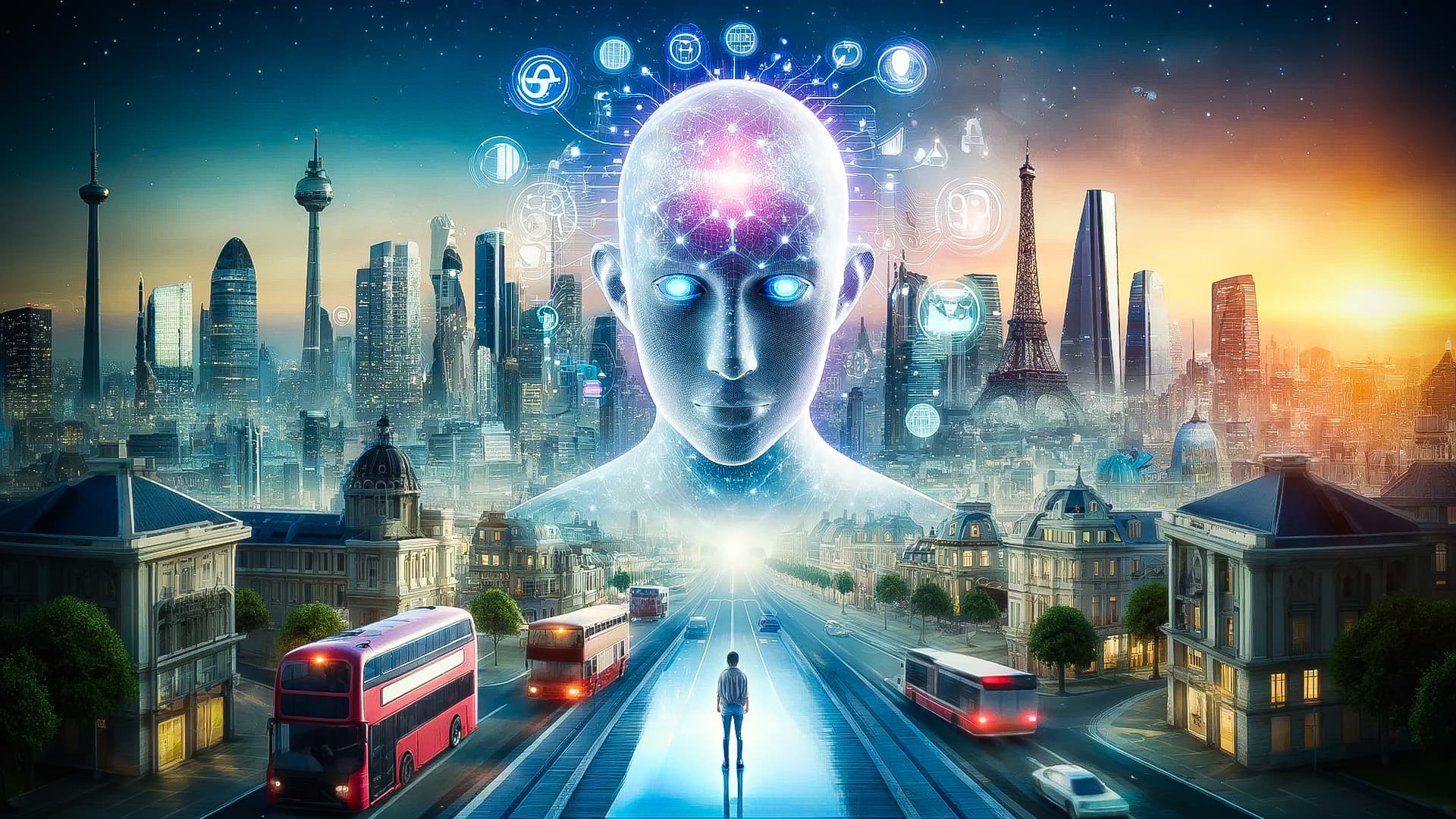
In an era where technology intertwines seamlessly with daily life, the realm of travel has witnessed a profound transformation. Traditional journeys are no longer confined to physical spaces; they extend into the virtual world, where artificial intelligence (AI) plays a pivotal role in reshaping the way we explore. AI has become the driving force behind the creation of immersive, personalized, and unforgettable virtual travel experiences. From crafting hyper-realistic environments to tailoring trips to individual preferences, AI is redefining what it means to travel in the digital age. This article delves into the multifaceted role of AI in enhancing virtual travel, exploring how it is being used to create more personalized and engaging experiences.
Understanding AI in Virtual Travel
Defining Artificial Intelligence in the Context of Virtual Travel
Artificial intelligence, in its essence, refers to the simulation of human intelligence processes by machines. In the context of virtual travel, AI encompasses a broad spectrum of technologies that enable machines to learn, adapt, and make decisions based on data inputs. These capabilities allow AI to create virtual environments that are not only visually stunning but also responsive to user interactions. In virtual travel, AI acts as the architect and guide, shaping experiences that mimic the spontaneity and richness of real-world exploration.
Key Technologies Powering AI in Virtual Travel
The backbone of AI in virtual travel lies in several key technologies. Machine learning algorithms, for instance, are employed to analyze vast amounts of user data, identifying patterns and preferences that inform the creation of personalized travel experiences. Natural language processing (NLP) enables AI to understand and respond to user queries, making interactions with virtual tour guides and travel assistants more intuitive. Additionally, computer vision technologies allow AI to generate hyper-realistic environments by analyzing and replicating real-world landscapes. Together, these technologies converge to create a seamless virtual travel experience that rivals, and in some cases, surpasses, traditional travel.
The Evolution of Virtual Travel Experiences with AI
Virtual travel has evolved significantly since its inception, largely due to advancements in AI. Initially, virtual travel was limited to static, pre-recorded tours that offered little interaction or personalization. However, the integration of AI has revolutionized the field, transforming it into a dynamic and interactive experience. Today, virtual travelers can embark on journeys that are tailored to their interests, with AI adjusting the itinerary in real-time based on user behavior. This evolution has not only expanded the possibilities of virtual travel but also made it more accessible and engaging for a wider audience.
Personalization Through AI: Crafting Unique Travel Journeys
AI-Driven User Profiles: How AI Learns Your Travel Preferences
One of the most significant contributions of AI to virtual travel is its ability to learn and adapt to individual preferences. Through the analysis of user data, AI constructs detailed profiles that reflect a traveler's likes, dislikes, and past experiences. These AI-driven user profiles are continuously refined as more data is collected, allowing the system to predict and recommend destinations, activities, and experiences that align with the traveler’s unique interests. This level of personalization ensures that every virtual journey feels bespoke, enhancing the overall satisfaction and engagement of the traveler.
Tailored Travel Itineraries: Creating the Perfect Trip with AI
Building on the insights gained from user profiles, AI is capable of crafting tailored travel itineraries that cater to the specific desires of each traveler. Whether one seeks a serene escape into nature or an adventurous exploration of urban landscapes, AI can curate the perfect trip, down to the finest details. These itineraries are not static; they are dynamic and adaptable, with AI making real-time adjustments based on user interactions. This fluidity allows travelers to explore at their own pace, with the assurance that every moment of their journey is optimized for enjoyment and discovery.
Enhancing Real-Time Experiences: Adaptive Virtual Tours
In the realm of virtual travel, real-time experiences are paramount. AI enhances these experiences by making virtual tours adaptive, responding to user inputs and environmental changes. For example, if a traveler lingers at a particular landmark, AI might provide additional information or suggest related sites to visit. Conversely, if a traveler shows disinterest in a particular segment, AI can seamlessly transition to a different part of the tour, ensuring that the experience remains engaging and relevant. This adaptability is a hallmark of AI-driven virtual travel, setting it apart from traditional, one-size-fits-all tours.

AI in Virtual Travel Simulations: Bringing Destinations to Life
Hyper-Realistic Environments: The Role of AI in Creating Immersive Worlds
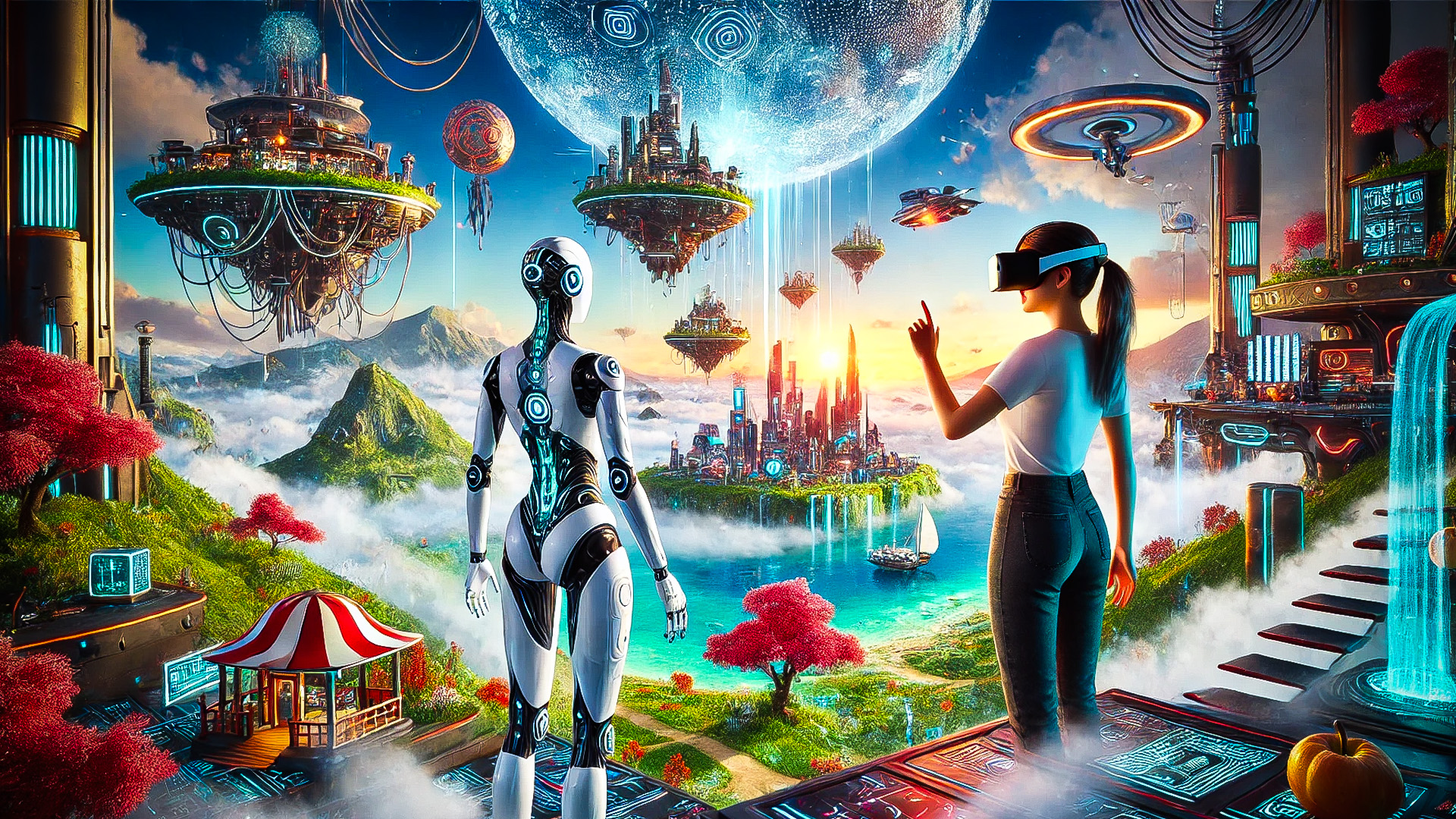
The creation of hyper-realistic environments is one of the most impressive applications of AI in virtual travel. By leveraging computer vision and machine learning, AI can analyze real-world locations and replicate them in astonishing detail. These virtual environments are not mere imitations; they are vibrant, living worlds that respond to the user’s presence. The textures, lighting, and sounds within these environments are meticulously crafted, often surpassing the limitations of physical travel by allowing users to explore places in ways that would be impossible in the real world.
AI-Powered Characters: Interacting with Virtual Tour Guides and Locals
Interactivity is a key component of virtual travel, and AI-powered characters play a crucial role in this aspect. These characters, whether they are virtual tour guides or simulated locals, are designed to enhance the travel experience by providing information, answering questions, and even engaging in casual conversation. Powered by natural language processing, these AI characters can understand and respond to user queries in a way that feels natural and intuitive. This interaction adds a layer of depth to virtual travel, making the experience more immersive and personalized.
Dynamic Storytelling: How AI Crafts Engaging Narratives Based on User Interaction
Storytelling is an integral part of any travel experience, and AI has taken this to new heights in the virtual realm. By analyzing user interactions and preferences, AI can craft dynamic narratives that evolve as the journey progresses. This means that no two virtual travel experiences are the same, as the story adapts to the choices and interests of the traveler. Whether it's uncovering hidden histories, exploring cultural traditions, or embarking on fictional adventures, AI-driven storytelling ensures that each journey is as unique as the traveler themselves.
The Impact of AI on Accessibility in Virtual Travel
Making Travel More Inclusive: AI Solutions for Different Abilities
AI has the potential to make virtual travel more inclusive by providing solutions that cater to travelers with different abilities. Through the use of adaptive technologies, AI can modify virtual environments to accommodate physical, sensory, and cognitive needs. For example, AI can enhance visual elements for travelers with impaired vision or adjust audio cues for those with hearing difficulties. This inclusivity extends the benefits of virtual travel to a broader audience, ensuring that everyone, regardless of their abilities, can experience the wonders of the world.
Language Translation and Cultural Education: AI Breaking Barriers
Language barriers have long been a challenge in travel, but AI is breaking down these obstacles in the virtual world. Advanced natural language processing algorithms enable real-time translation of spoken and written languages, allowing travelers to communicate seamlessly with AI-powered characters and access information in their preferred language. Additionally, AI can provide cultural education, offering insights into local customs, traditions, and etiquette, thereby enriching the travel experience and fostering a deeper understanding of different cultures.
Personalized Accessibility Features: Adapting Virtual Environments to Individual Needs
Beyond general accessibility, AI excels in personalizing accessibility features to meet the specific needs of each traveler. This could involve customizing the pace of a virtual tour, adjusting the level of detail in visual or auditory content, or offering alternative navigation methods for those with mobility challenges. These personalized features ensure that virtual travel experiences are not only accessible but also enjoyable and tailored to the individual’s comfort and preferences.
Enhancing Sensory Experiences: AI and Multi-Sensory Virtual Travel
AI-Generated Soundscapes: Creating Realistic Audio Experiences
Sound plays a crucial role in creating immersive virtual environments, and AI-generated soundscapes are at the forefront of this innovation. By analyzing environmental data, AI can generate realistic audio experiences that complement the visual elements of a virtual tour. These soundscapes are not merely background noise; they are carefully crafted to reflect the unique characteristics of each location, from the gentle rustling of leaves in a forest to the bustling chatter of a crowded marketplace. This attention to auditory detail enhances the overall sensory experience, making virtual travel feel more authentic and engaging.
Visual Enhancements: AI’s Role in Augmented Reality and 3D Rendering
Visual realism is another area where AI excels, particularly in the context of augmented reality (AR) and 3D rendering. AI algorithms are capable of enhancing visual elements to create lifelike representations of real-world locations. In augmented reality, AI can seamlessly blend virtual objects with the physical world, allowing travelers to experience destinations in new and exciting ways. Whether it’s exploring ancient ruins through a virtual overlay or visualizing future developments in a cityscape, AI-driven visual enhancements bring a new dimension to virtual travel.
Haptic Feedback and Beyond: Exploring AI’s Contribution to Tactile Virtual Travel
While visual and auditory elements are essential, the sense of touch adds a deeper level of immersion to virtual travel. AI contributes to the development of haptic feedback technologies, which simulate the sensation of touch in virtual environments. This could include the feeling of walking on different surfaces, the texture of objects, or even the temperature of the surroundings. As haptic technology advances, AI will play a critical role in refining these experiences, making virtual travel more tactile and, ultimately, more convincing.
AI and Data Security in Virtual Travel: Balancing Personalization with Privacy
How AI Manages Sensitive User Data in Virtual Travel Platforms
The personalization of virtual travel experiences hinges on the collection and analysis of user data, raising important questions about data security. AI systems are designed to manage sensitive user data responsibly, ensuring that personal information is protected while still delivering tailored experiences. This involves the use of encryption, anonymization, and secure data storage practices to prevent unauthorized access and misuse of data. As virtual travel continues to grow, the importance of robust data security measures cannot be overstated.
Ethical Considerations: Ensuring Responsible Use of AI in Virtual Travel
The integration of AI in virtual travel also brings ethical considerations to the forefront. Issues such as bias in AI algorithms, the potential for manipulation of user behavior, and the impact on local economies are all areas that require careful consideration. It is essential that AI is used responsibly, with transparency and fairness as guiding principles. By addressing these ethical concerns, developers and operators can build trust with users and ensure that AI in virtual travel contributes positively to society.
Building Trust: Transparency and User Control in AI-Powered Travel Experiences
Trust is a critical factor in the adoption of AI-powered virtual travel experiences. To build this trust, it is important for platforms to be transparent about how AI is used and to provide users with control over their data and experiences. This could include options for opting out of data collection, customizing the level of personalization, or receiving clear explanations of AI-driven decisions. By empowering users with knowledge and control, virtual travel platforms can foster a sense of security and confidence in their AI capabilities.

The Future of AI in Virtual Travel
Emerging Trends: What’s Next for AI in Virtual Travel?
The future of AI in virtual travel is filled with exciting possibilities. Emerging trends suggest that AI will continue to push the boundaries of what is possible, with advancements in areas such as deep learning, predictive analytics, and immersive technologies. These developments could lead to even more personalized and interactive experiences, where virtual travel feels indistinguishable from reality. As AI technology evolves, the distinction between physical and virtual travel may blur, opening up new opportunities for exploration and adventure.
Challenges and Opportunities: Navigating the Path Forward
Despite the potential, the path forward for AI in virtual travel is not without challenges. Issues such as data privacy, ethical concerns, and the digital divide must be addressed to ensure that the benefits of AI are accessible to all. At the same time, these challenges present opportunities for innovation and growth. By tackling these issues head-on, the virtual travel industry can pave the way for a future where AI enhances the travel experience for everyone, regardless of their background or location.
How AI is Redefining the Concept of Travel in the 21st Century
AI is not just enhancing virtual travel; it is redefining the very concept of travel in the 21st century. As virtual and physical worlds converge, the traditional boundaries of travel are being expanded, allowing people to explore places they never thought possible. Whether it’s visiting distant planets, exploring historical events, or simply enjoying a weekend getaway from the comfort of home, AI is making travel more accessible, inclusive, and personalized than ever before. This transformation is just the beginning of a new era in travel, where the possibilities are limited only by the imagination.
Artificial intelligence is at the forefront of a revolution in virtual travel, bringing unprecedented levels of personalization, immersion, and accessibility to the experience. As AI continues to evolve, it will play an increasingly central role in shaping the future of travel, both virtual and real. By embracing these innovations, travelers can look forward to a world where the joys of exploration are enhanced by the power of technology, offering new ways to connect with the world and each other.

The Future Of Ai In Virtual Travel
Author: Elisha Roodt
Redefining the architecture of travel through immersive spatial reality and enterprise tourism solutions, making it possible to explore the world without limits.