The Future of Travel: How Virtual Reality is Revolutionizing Tourism
The landscape of travel is undergoing a seismic shift. Traditionally, exploration has always been synonymous with physical presence—the sensation...
The landscape of travel is undergoing a seismic shift. Traditionally, exploration has always been synonymous with physical presence—the sensation of being somewhere new, immersing oneself in different cultures, and experiencing the tangible aspects of a destination. However, with the rise of Virtual Reality (VR), the parameters of what it means to "travel" are being redefined. This emerging technology is not just an add-on to the travel experience but is setting the stage for a revolution in how we experience the world. This revolution is not only opening up unprecedented opportunities for travelers but is also poised to reshape the entire tourism industry in ways previously unimaginable.
Setting the Stage for a Virtual Revolution in Tourism
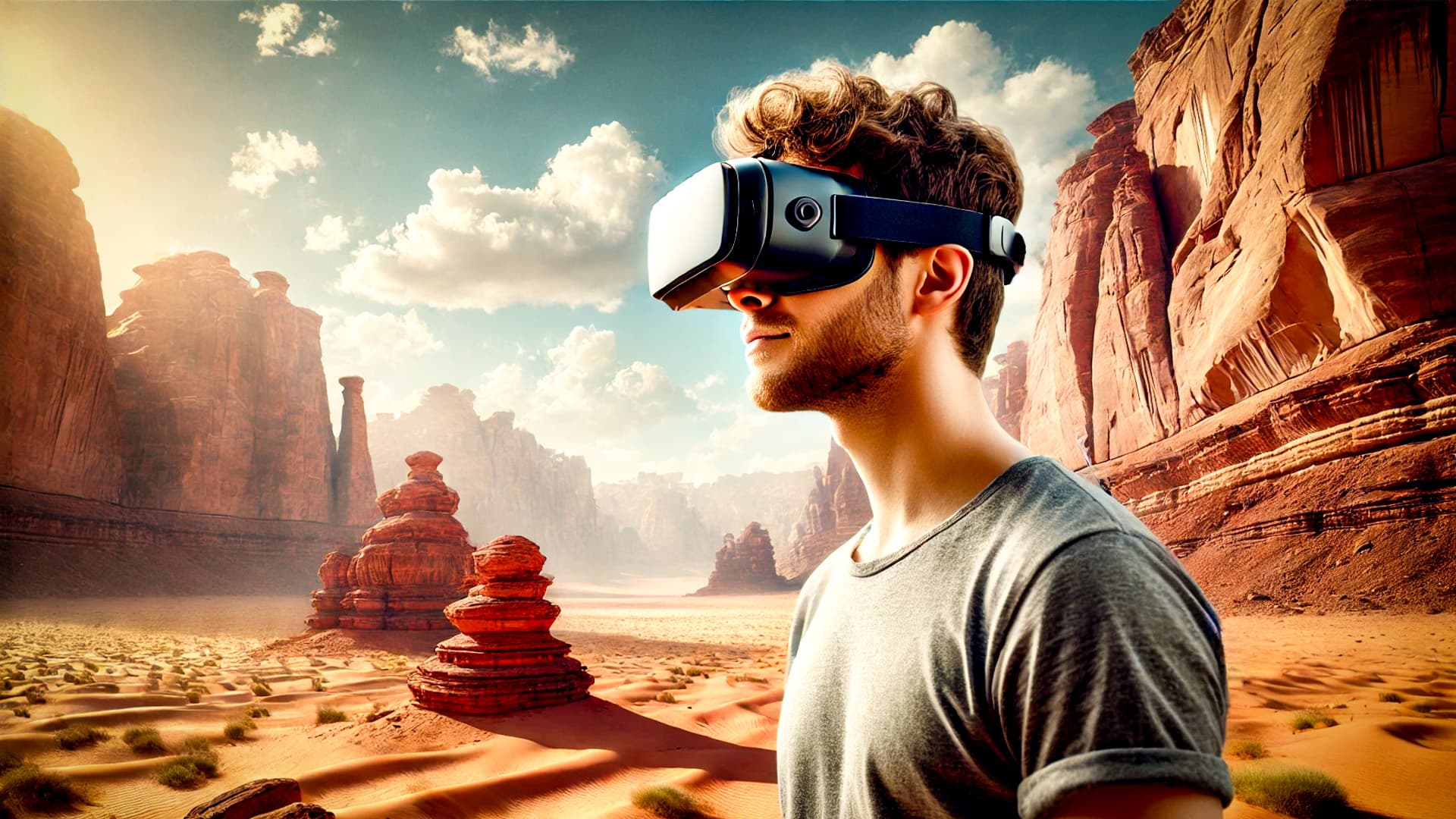
Virtual Reality, once primarily associated with gaming and entertainment, is now carving out a vital role in the realm of tourism. With VR, the traditional barriers of physical distance and economic limitations are being dismantled, allowing travelers to immerse themselves in far-off destinations without ever leaving their homes. The widespread adoption of VR is enabling people to explore the globe in ways that transcend physical constraints, making it possible to "travel" without the need for passports, flights, or hotel bookings. This technological advancement represents more than just a novelty; it is a paradigm shift in how we connect with the world around us, offering a new lens through which to view our planet.
The Convergence of Technology and Wanderlust
Wanderlust, the timeless desire to explore, has found an unexpected ally in VR technology. As advancements in software and hardware continue to break new ground, the marriage of wanderlust and VR is creating opportunities for deeper, more meaningful travel experiences. No longer are travelers confined to brochures, online reviews, or even static photos and videos to guide their decisions. With VR, they can step into virtual versions of their dream destinations, effectively test-driving their vacations before they book. This convergence is not only changing the travel planning process but is also redefining what it means to explore, making travel more interactive and personalized than ever before.
The Emergence of Virtual Reality in the Travel Industry
From Concept to Reality: The Growth of VR Tourism
Just a few years ago, Virtual Reality in tourism was little more than an intriguing concept, often regarded as a futuristic idea with limited practical application. Early implementations of VR in travel were often clunky, experimental, and lacked the immersive quality that VR promises today. However, the picture has dramatically changed. Today, VR tourism is experiencing meteoric growth, with destinations, hotels, and travel companies increasingly embracing the technology as a core component of their marketing and customer engagement strategies.
The proliferation of VR hardware, coupled with advancements in software, has transformed VR from a niche novelty into a practical tool for marketing, planning, and experiencing travel. For instance, tourism boards around the world are now using VR to showcase their destinations, allowing potential visitors to explore attractions in a way that no brochure or video could ever achieve. Hotels and resorts are offering virtual tours of their properties, giving travelers a realistic sense of what to expect. Even travel agencies are incorporating VR into their service offerings, using it as a tool to help clients choose their next vacation.
Why VR is the Next Big Thing for Travelers
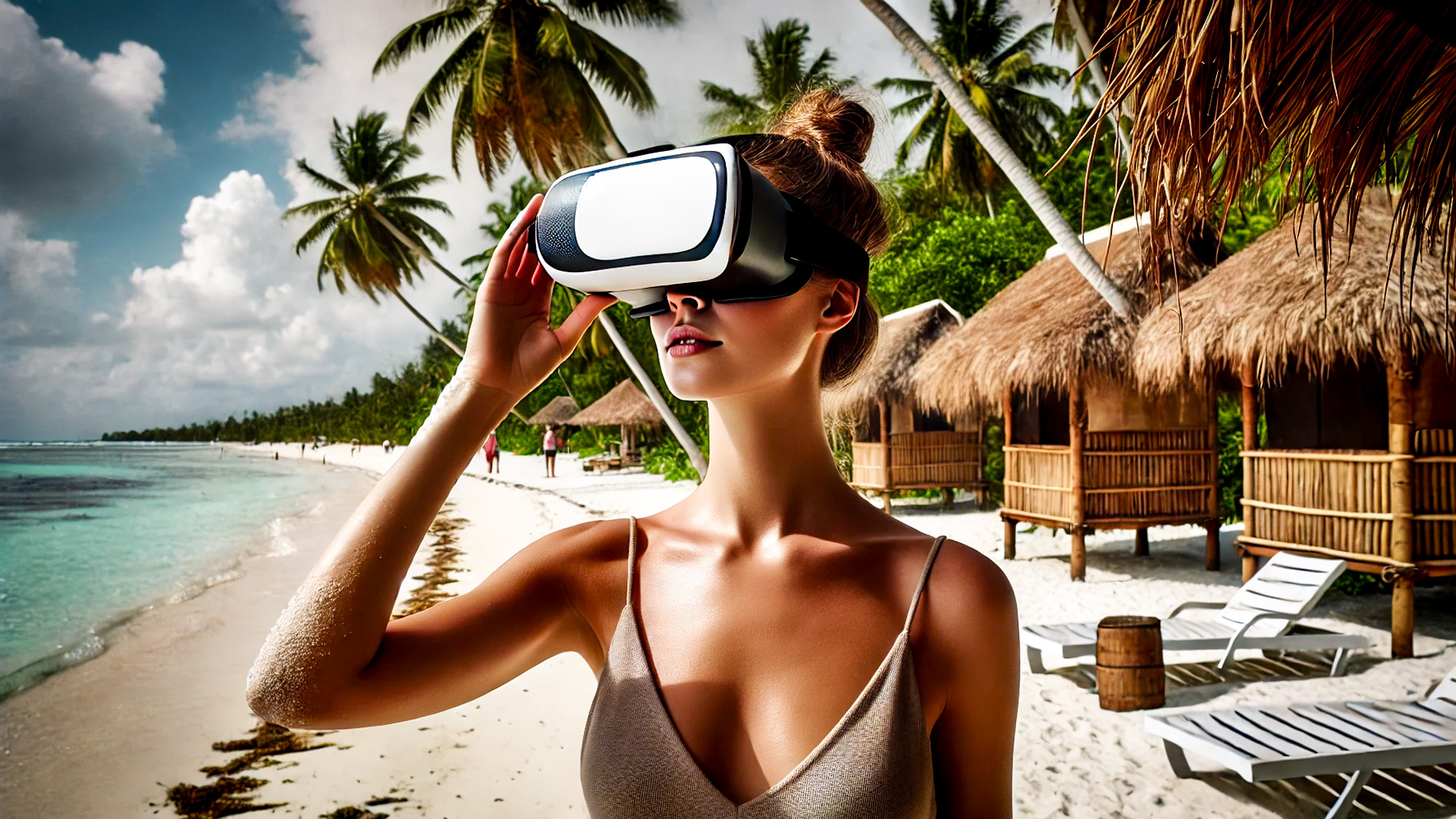
The potential of VR for travelers is vast and multi-faceted. With just a headset, users can traverse exotic landscapes, stroll through bustling cities, or dive beneath the waves of distant seas—all from the comfort of their living room. For those who are undecided about a trip, virtual tours offer a way to experience a destination without any upfront commitment. This ability to 'test' a vacation is a game-changer, offering peace of mind to those unsure of where to travel next.
VR is not just about convenience; it’s about enhancing the travel experience in ways never before possible. Imagine being able to explore the winding streets of Paris, admire the northern lights in Iceland, or even trek through the Amazon rainforest—all without the need for travel arrangements, visas, or packing. VR allows for an exploration that is immersive and sensory-rich, providing experiences that can be both highly informative and deeply emotional.

Virtual Destination Tours: A Glimpse into the Future of Vacation Planning
Try Before You Fly: How Virtual Tours are Transforming Decision-Making
Virtual destination tours are quickly becoming the ultimate "try before you fly" experience. In the past, travelers had to rely solely on photos, written descriptions, or the opinions of others to make informed decisions about their next destination. However, with the advent of immersive virtual tours, travelers can now see, hear, and feel what a destination has to offer before ever booking a single flight.
This shift in decision-making is significant. Virtual tours allow potential travelers to walk through the corridors of a hotel, meander through the streets of a city, or gaze at famous landmarks—all in a fully immersive environment. This sensory-rich experience provides a level of confidence and assurance that is difficult to achieve through traditional means. Travelers can now make more informed choices, reducing the uncertainty that often accompanies the planning phase of a trip.
For example, a couple planning their honeymoon might use VR to explore several destinations before settling on their final choice. They could virtually stroll through the beaches of Bali, explore the vineyards of Tuscany, or take a romantic walk through the streets of Paris—all before making their decision. This not only enhances their planning process but also adds an element of excitement and anticipation as they get a taste of what their future travels might hold.
Immersive Previews: The Benefits of Exploring Destinations in VR
The immersive nature of VR transcends traditional media. A video or photo can only show so much, but a virtual tour envelops the traveler in the experience, allowing them to explore a destination as if they were really there. In a VR environment, travelers can gaze in every direction, interact with objects, and even simulate activities like walking along a beach or exploring a museum. This level of interactivity and immersion elevates the vacation planning experience, making it more dynamic, informative, and enjoyable.
For example, VR can transport a traveler to the bustling markets of Marrakech, where they can virtually browse the colorful stalls, listen to the vibrant sounds of the city, and even interact with vendors. This kind of immersive preview offers a sensory experience that goes beyond what is possible with traditional media, providing travelers with a more comprehensive understanding of what to expect.
Furthermore, VR allows travelers to visualize their entire itinerary before they embark on their journey. They can explore the hotels they plan to stay in, the restaurants they plan to dine at, and the attractions they plan to visit. This not only helps with planning but also builds excitement and anticipation for the trip.
Destinations on Demand: Accessing Far-Flung Places Instantly
For many, travel is a dream deferred due to time, cost, or physical limitations. VR is breaking down these barriers by offering on-demand access to destinations that would otherwise remain out of reach. Whether it’s exploring the peaks of the Himalayas, diving into the depths of the Great Barrier Reef, or wandering through the ancient ruins of Machu Picchu, VR provides instant access to experiences that would be difficult or impossible to achieve in real life.
This newfound accessibility is making the world a smaller, more connected place. It’s allowing people to experience destinations they may never have the opportunity to visit physically. For instance, an elderly person who may not be able to endure long flights or strenuous travel can still explore the wonders of the world through VR. Similarly, a person with limited financial resources can experience luxury travel destinations that would otherwise be out of reach.
In this way, VR is democratizing travel, making it possible for more people to experience the beauty and diversity of our planet. It’s also providing a new avenue for travel enthusiasts to explore and discover new places, even if they are unable to do so physically.
Breaking Down Barriers: How VR Expands Accessibility in Tourism
Travel for All: How VR is Empowering People with Disabilities
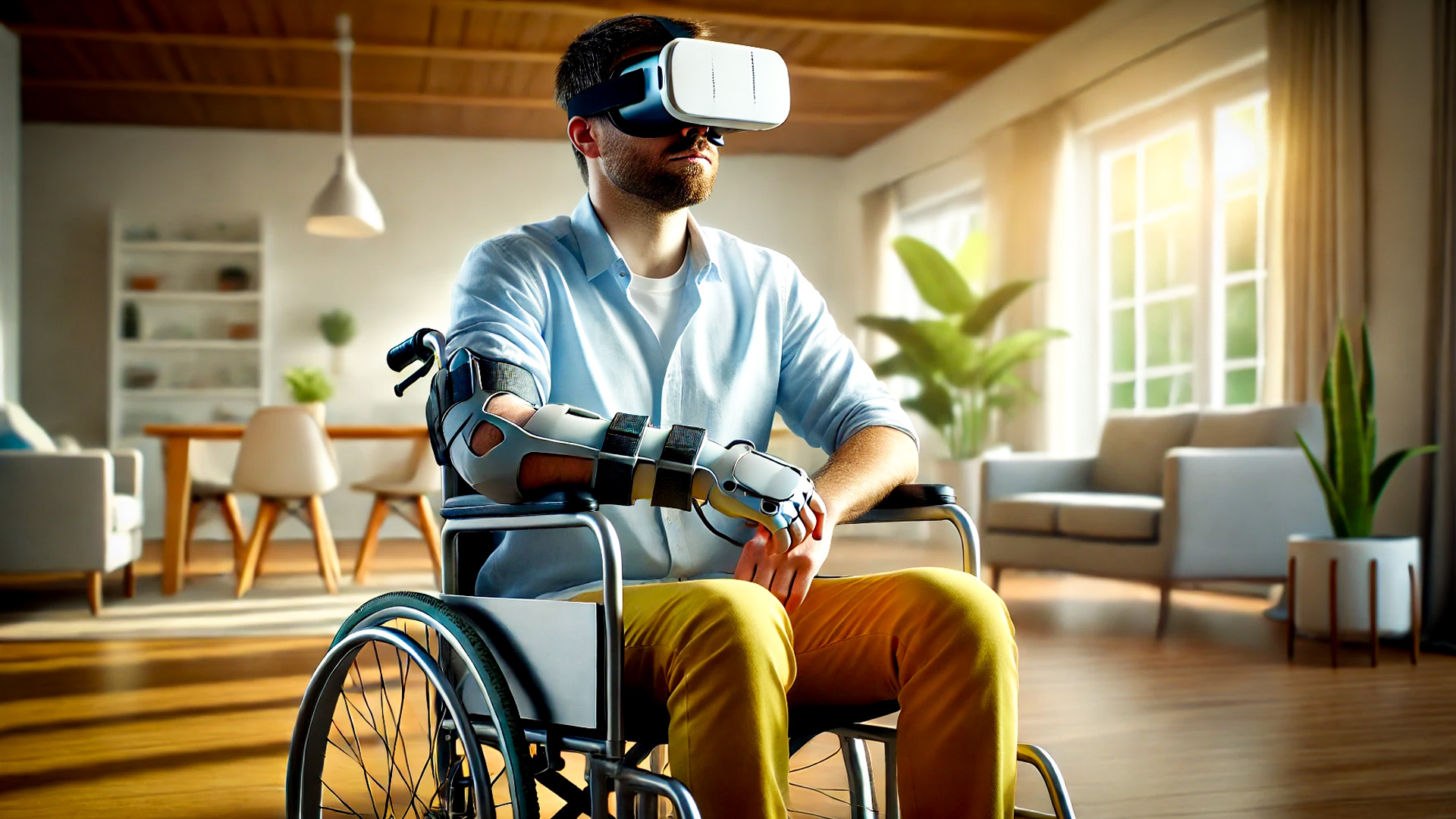
Travel has traditionally been an endeavor fraught with challenges for individuals with disabilities. From inaccessible attractions to logistical difficulties, many have been excluded from fully experiencing the joys of travel. However, VR is changing that by creating fully accessible digital environments where people with disabilities can explore the world in ways that were once impossible.
For example, a person with mobility issues can now explore the steep streets of San Francisco or the ancient ruins of Rome without the physical challenges that would accompany such a trip in real life. Similarly, a visually impaired person can use VR to explore destinations with enhanced audio descriptions, allowing them to experience the world in a way that is tailored to their needs.
These virtual experiences are not just a substitute for physical travel; they are a form of empowerment, providing equal opportunities for exploration and adventure. VR is enabling people with disabilities to experience the world in a way that is both inclusive and accessible, offering a level of freedom and independence that was previously out of reach.
Exploring the World Without Leaving Home: A New Avenue for Non-Travelers
For those unable to travel due to age, health, or financial reasons, VR presents a viable alternative to physical exploration. It offers an opportunity for people to experience new places and cultures without the need for expensive tickets, passports, or long flights. This is particularly valuable for those who have always dreamed of traveling but have been held back by life’s limitations.
Virtual travel isn’t just for the tech-savvy; it’s opening new doors for those who have long dreamed of adventure. For instance, a retiree who has always wanted to see the pyramids of Egypt but is unable to make the journey can now explore these ancient wonders through VR. Similarly, a student who dreams of backpacking through Europe but lacks the funds can experience the thrill of exploration through virtual travel.
VR is also providing new opportunities for cultural exchange and learning. For example, students can take virtual field trips to historical sites, museums, and natural wonders, gaining a deeper understanding of the world around them. This not only enhances their education but also broadens their horizons, inspiring a lifelong love of travel and exploration.
The Immersive Future: What’s Next for VR in Tourism?
The Rise of VR Travel Agencies
As VR continues to gain traction in the tourism industry, it’s likely that we will see the rise of VR travel agencies—businesses that specialize in creating and curating virtual travel experiences. These agencies could offer everything from virtual tours of popular destinations to immersive experiences that allow travelers to "stay" in luxury hotels, dine in world-class restaurants, and participate in cultural activities—all in a virtual environment.
These VR travel agencies could also offer customizable travel experiences, allowing users to tailor their virtual trips to their preferences. For instance, a user could choose to explore the beaches of Hawaii, the streets of Tokyo, or the mountains of Switzerland, all within a single VR experience. This level of customization would offer travelers a new level of control over their travel experiences, allowing them to explore the world on their own terms.
Moreover, VR travel agencies could offer subscription services, allowing users to access a wide range of virtual travel experiences for a monthly fee. This could provide an affordable alternative to physical travel, offering users the opportunity to explore new destinations on a regular basis without the need for expensive flights or hotel bookings.
The Integration of Augmented Reality (AR) and VR in Travel
The future of VR in tourism is not limited to fully immersive experiences. The integration of Augmented Reality (AR) with VR offers new possibilities for enhancing the travel experience. While VR can transport travelers to distant lands, AR can bring those lands to life within their own environment.
Imagine walking through a historic city and using AR to overlay historical information, guides, and even virtual reenactments onto the real world around you. This combination of VR and AR could create a seamless travel experience, where the virtual and real worlds merge to provide a richer, more informative, and interactive journey.
For instance, a traveler exploring the ruins of Pompeii could use AR to see what the city looked like before the eruption of Mount Vesuvius, while also using VR to explore other parts of the Roman Empire. This blend of AR and VR could provide a more comprehensive understanding of the destination, allowing travelers to experience both the past and present in a single trip.
Beyond Sightseeing: The Evolution of Virtual Travel Experiences
The future of VR in tourism goes beyond traditional sightseeing. As the technology continues to evolve, we can expect to see more innovative and immersive travel experiences that push the boundaries of what is possible in the virtual world.
For example, VR could be used to create virtual cultural experiences, allowing travelers to participate in traditional ceremonies, festivals, and rituals from around the world. These experiences could provide a deeper understanding of different cultures, fostering greater empathy and appreciation for the diversity of our planet.
VR could also be used to create virtual adventure experiences, allowing travelers to climb mountains, dive into the ocean, or explore remote wilderness areas that would be difficult or dangerous to access in real life. These experiences could offer a sense of excitement and thrill, providing travelers with the opportunity to push their boundaries and explore new frontiers.
Moreover, VR could be used to create educational travel experiences, allowing students to explore historical sites, museums, and natural wonders in a way that is both interactive and informative. These experiences could enhance their understanding of the world, inspiring a lifelong love of learning and exploration.
Embracing the Virtual Future of Travel
The rise of VR in tourism is more than just a trend—it’s a fundamental shift in how we experience the world. As technology continues to evolve, the possibilities for virtual travel are virtually limitless. From enhancing the travel planning process to providing new opportunities for exploration, VR is poised to revolutionize the tourism industry.
For travelers, VR offers a new way to explore the world, one that is convenient, accessible, and immersive. For the tourism industry, it presents new opportunities for marketing, customer engagement, and innovation. As we look to the future, it’s clear that VR will play a central role in shaping the travel experiences of tomorrow.
As we continue to embrace this virtual future, the world is becoming more accessible, more connected, and more open to exploration than ever before. Whether you’re a seasoned traveler or someone who has always dreamed of seeing the world, VR is opening up new possibilities for adventure and discovery. The future of travel is here, and it’s virtual.
Breaking Down Barriers How Vr Expands Accessibility In Tourism
Author: Elisha Roodt
Redefining the architecture of travel through immersive spatial reality and enterprise tourism solutions, making it possible to explore the world without limits.