
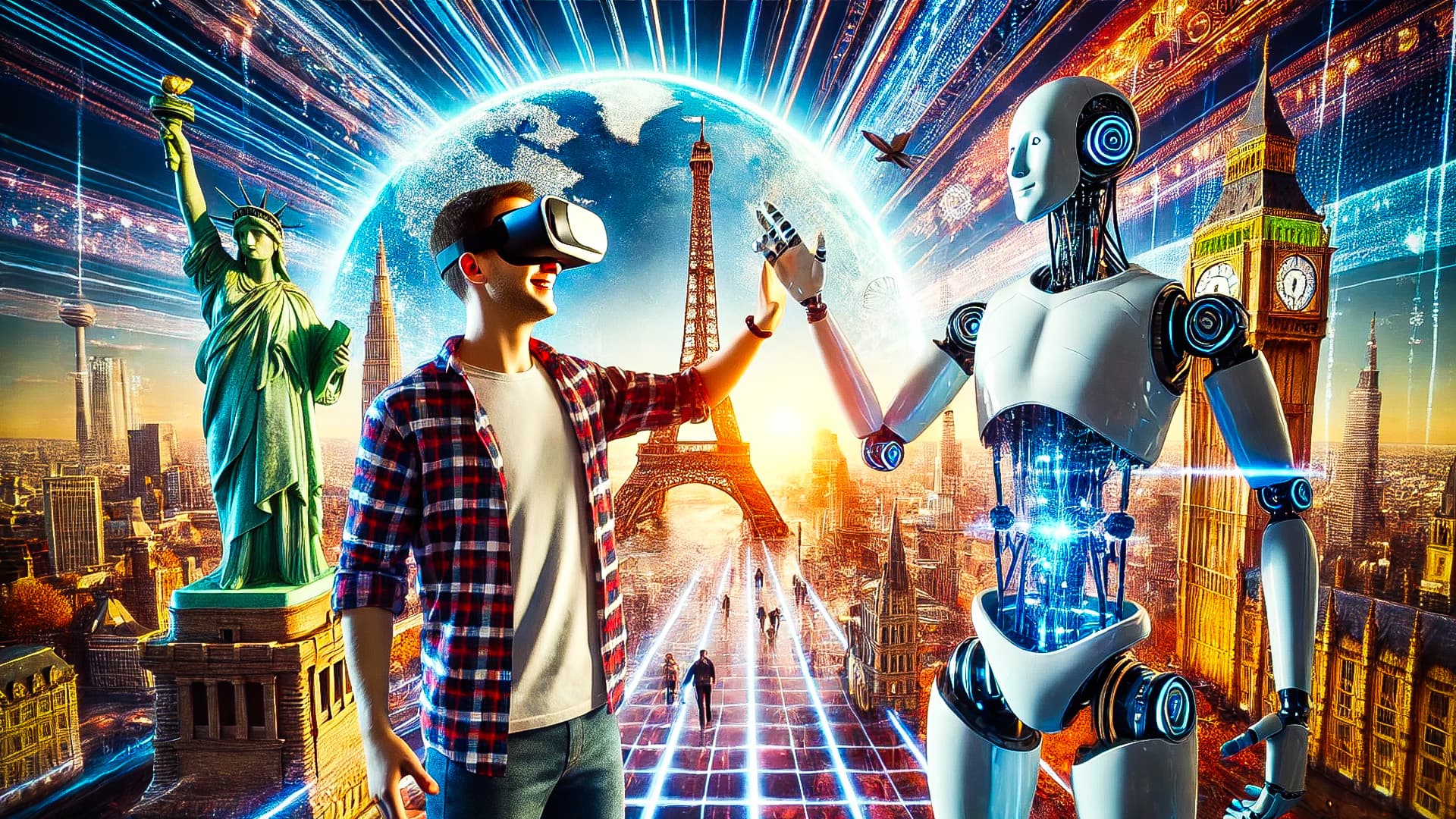
The Convergence of AI and VR in Modern Tourism
In an era where technological advancements are reshaping industries at an unprecedented pace, tourism stands at the forefront of this...
In an era where technological advancements are reshaping industries at an unprecedented pace, tourism stands at the forefront of this transformation. The intersection of artificial intelligence (AI) and virtual reality (VR) represents a paradigm shift, not just in how we plan our travels but also in how we experience destinations. This convergence is more than just a technological novelty; it is a fundamental reimagining of the travel experience itself. Through AI and VR, travelers can now embark on personalized journeys that begin long before they set foot on foreign soil. These technologies are crafting experiences that are as unique as the individuals who seek them, offering immersive, interactive, and tailored previews of destinations around the globe.
Revolutionizing Travel Planning with AI-Powered Virtual Reality
AI-Driven Customization: Tailoring VR Travel Previews to Individual Preferences
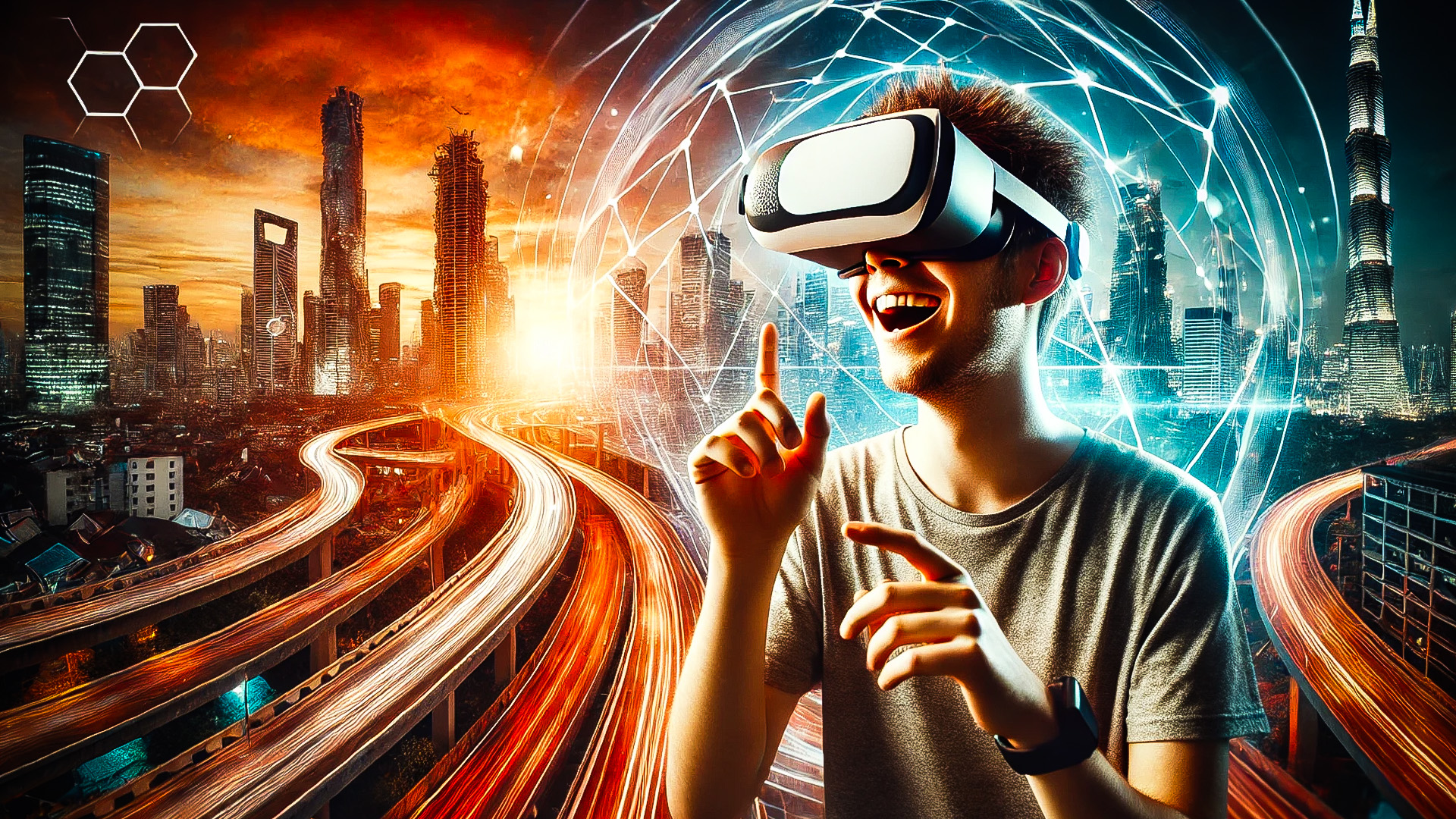
Imagine being able to walk through the bustling streets of Tokyo or the serene beaches of the Maldives, all from the comfort of your living room. AI-powered VR travel previews are making this possible, providing travelers with a highly personalized glimpse into their next adventure. These previews are not generic; they are meticulously tailored to individual preferences. AI algorithms analyze vast amounts of data—from previous travel experiences and online behavior to personal interests and social media activity—to create a virtual experience that feels uniquely yours. Whether you prefer adventure, relaxation, culture, or cuisine, AI ensures that your virtual tour aligns perfectly with your desires, offering a taste of the experiences that await you.
Predictive Algorithms: How AI Enhances Virtual Travel Simulations
Beyond customization, AI leverages predictive algorithms to enhance the realism and interactivity of virtual travel simulations. These algorithms anticipate what travelers might want to explore next, adjusting the virtual environment in real-time to reflect their evolving interests. For instance, if a user lingers longer in a virtual art museum, AI might suggest a visit to a similar cultural site within the VR experience or highlight related attractions in the actual destination. This predictive capability transforms static virtual tours into dynamic, responsive experiences that adapt to the user’s curiosity, creating a more engaging and lifelike journey.
Immersive Storytelling: Crafting Personalized Travel Narratives
Dynamic Content Creation: AI’s Role in Building Adaptive Virtual Tours
Immersive storytelling is at the heart of the travel experience, and AI is revolutionizing how these stories are told in the virtual realm. Traditional travel narratives are often linear and uniform, but with AI, they become fluid and adaptive. Dynamic content creation allows for the crafting of personalized narratives that evolve based on the user’s interactions within the virtual environment. As you explore different aspects of a virtual destination, AI curates the content to reflect your interests, weaving together a story that feels intimate and engaging. This adaptability ensures that no two virtual tours are the same, providing a unique experience that resonates on a personal level.
Real-Time Interaction: Enhancing Virtual Experiences with AI-Powered Responses
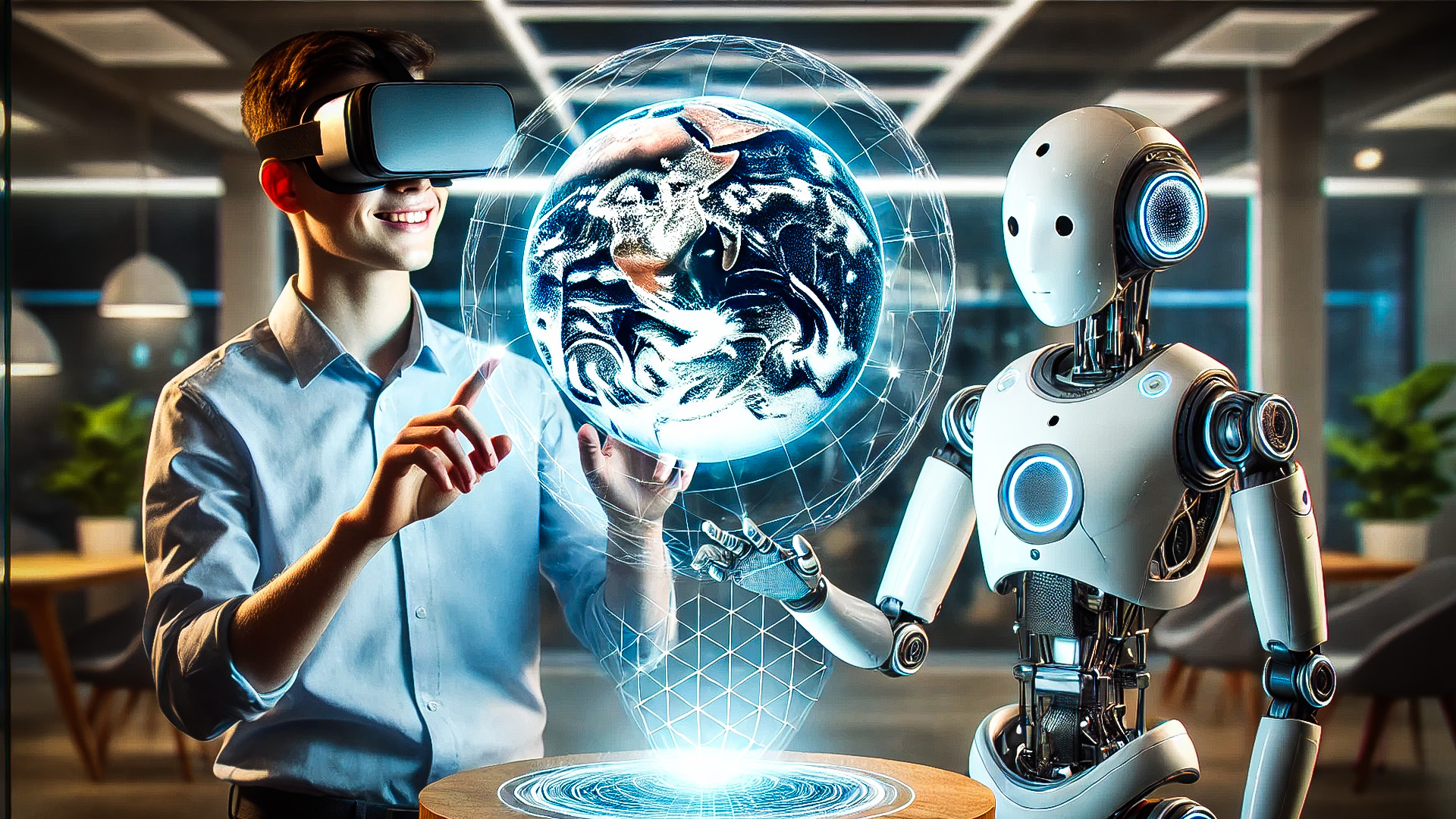
The integration of real-time interaction further enhances the immersive quality of AI-driven virtual tours. AI-powered responses make the virtual environment feel alive and responsive, with virtual guides and avatars offering insights, answering questions, and providing recommendations based on the user’s inputs. This level of interactivity not only enriches the experience but also fosters a deeper connection between the traveler and the destination. It transforms the virtual tour from a passive viewing experience into an active exploration, where every interaction shapes the journey.

AI-Enhanced Virtual Reality: Bringing Destinations to Life
Virtual Reality Tours: A New Way to Explore the World from Home
The advent of AI-enhanced virtual reality tours marks a new chapter in travel exploration. These tours allow individuals to traverse the globe without leaving their homes, offering a sensory-rich experience that goes beyond mere visual representation. VR technology, powered by AI, simulates real-world environments with astonishing detail, enabling users to explore landmarks, natural wonders, and cultural sites as if they were physically present. This capability is especially valuable in today’s world, where accessibility and convenience are paramount. Virtual reality tours are democratizing travel, making it possible for anyone to experience the wonders of the world, regardless of their physical or financial limitations.
AI-Powered Avatars and Guides: Personalized Assistance in Virtual Spaces
In these virtual spaces, AI-powered avatars and guides serve as personalized companions, enhancing the user’s experience by offering tailored assistance and insights. These virtual guides are more than just informational tools; they are interactive, adaptive entities that respond to the user’s preferences and behavior. Whether you need directions, historical context, or dining recommendations, AI avatars provide personalized, real-time support, making the virtual exploration seamless and enjoyable. This personalized assistance ensures that users can navigate the virtual environment with ease, gaining a deeper understanding and appreciation of the destination.
The Future of Travel: AI and VR in Destination Marketing
Virtual Reality Marketing: AI-Enhanced Strategies for Destination Promotion
As AI and VR continue to evolve, they are reshaping the landscape of destination marketing. Virtual reality marketing, enhanced by AI, offers a powerful tool for promoting travel destinations in a way that is both immersive and persuasive. Destinations can now be marketed through virtual experiences that allow potential travelers to explore them in vivid detail before making a booking decision. AI enhances these experiences by tailoring the content to the viewer’s interests, making the marketing message more relevant and compelling. This targeted approach increases the likelihood of conversion, as travelers are more likely to choose destinations that resonate with their personal preferences and aspirations.
Hyper-Personalized Travel Suggestions: How AI and VR Influence Consumer Choices
AI’s ability to analyze and predict consumer behavior extends to travel suggestions, influencing decisions with hyper-personalized recommendations. By integrating AI with VR, travel platforms can offer suggestions that align perfectly with the user’s profile, from destination choices to specific activities and accommodations. These personalized suggestions are not just based on demographic data but also on nuanced factors such as past travel experiences, social media activity, and even real-time interactions within the VR environment. This level of personalization helps travelers discover destinations and experiences they might not have considered, broadening their horizons and enhancing their overall travel experience.
Overcoming Challenges: Integrating AI and VR in Tourism
Technical Hurdles: Addressing the Complexities of AI and VR Integration
The integration of AI and VR in tourism, while transformative, is not without its challenges. The technical complexities of merging these advanced technologies require significant expertise and resources. Issues such as data processing, real-time rendering, and maintaining the fidelity of virtual environments are critical hurdles that need to be addressed. Additionally, the development of AI algorithms that can accurately interpret and respond to user behavior within a VR context is a complex task that necessitates continuous refinement. Overcoming these challenges is essential for ensuring that the AI and VR experiences offered to travelers are seamless, realistic, and engaging.
Ethical Considerations: Balancing Data Privacy with Personalization in Virtual Travel
Beyond technical challenges, ethical considerations play a crucial role in the integration of AI and VR in tourism. The use of AI to personalize virtual travel experiences relies heavily on the collection and analysis of user data, raising concerns about privacy and data security. Balancing the need for personalization with the protection of user information is a delicate task that requires transparency and adherence to ethical standards. Ensuring that users are informed about how their data is being used and providing them with control over their privacy settings is vital for building trust and fostering the responsible use of AI in virtual tourism.
Case Studies: Successful Applications of AI and VR in Tourism
Transforming Destination Marketing: How AI and VR Attracted New Visitors
The impact of AI and VR on tourism can be seen in various successful applications across the globe. One notable example is the use of these technologies in destination marketing, where they have attracted new visitors by offering immersive previews of travel experiences. By allowing potential travelers to virtually explore destinations, hotels, and attractions, AI and VR have made it easier for people to make informed travel decisions. This approach has proven particularly effective in promoting lesser-known destinations, helping them gain visibility and attract a broader audience.
Personalization in Practice: Real-World Examples of AI-Enhanced Virtual Travel Experiences
Real-world examples of AI-enhanced virtual travel experiences highlight the potential of these technologies to create truly personalized journeys. From virtual tours that adapt to the user’s interests to AI-powered travel assistants that provide tailored recommendations, these applications demonstrate how AI and VR can elevate the travel experience. For instance, some travel companies have successfully used AI to create virtual itineraries that reflect the user’s preferences, offering a customized travel plan that can be explored in VR before booking. These personalized experiences not only enhance satisfaction but also increase the likelihood of repeat business, as travelers appreciate the attention to detail and the tailored approach.
The Next Frontier in Tourism Experiences
The Ongoing Evolution: What’s Next for AI and VR in the Tourism Industry
As AI and VR continue to evolve, their role in tourism is expected to expand, bringing even more innovative and immersive experiences to travelers. The ongoing development of AI algorithms and VR technology will likely lead to even more sophisticated and personalized travel experiences, pushing the boundaries of what is possible in virtual tourism. As these technologies become more accessible and integrated into mainstream travel planning, they will undoubtedly reshape the industry, offering new ways to explore, experience, and enjoy the world.
Final Thoughts: Embracing the Future of Personalized Travel with AI and VR
The fusion of AI and VR in tourism represents a significant step forward in the quest to create more personalized, immersive, and engaging travel experiences. As we embrace these technologies, we are not just enhancing the way we travel; we are redefining what it means to explore the world. The future of tourism lies in the hands of AI and VR, and the possibilities they offer are limited only by our imagination. As these technologies continue to develop, they will undoubtedly transform the way we experience destinations, making travel more accessible, personalized, and enjoyable for everyone.
Integrating Ai And Vr In Tourism
Author: Elisha Roodt
Redefining the architecture of travel through immersive spatial reality and enterprise tourism solutions, making it possible to explore the world without limits.