
Shaping the Future of Sustainable Tourism in 2025
Exploring how VR technology is revolutionizing sustainable tourism by curbing over-tourism and providing eco-friendly travel alternatives...
Exploring how VR technology is revolutionizing sustainable tourism by curbing over-tourism and providing eco-friendly travel alternatives.
Redefining Travel Experiences Through Virtual Reality
Personalized Virtual Itineraries
Imagine planning a trip where every detail is tailored to your preferences without the environmental footprint of traditional travel. Virtual Reality (VR) enables the creation of highly personalized itineraries that cater to individual interests and sustainability goals. By simulating destinations in a virtual space, travelers can experiment with different routes and activities, optimizing their plans for minimal ecological impact. This level of customization not only enhances the travel experience but also ensures that tourism remains a sustainable venture.
The ability to preview destinations virtually allows tourists to make informed decisions about their travel choices. For instance, a traveler passionate about marine life can explore virtual coral reefs, identifying the best times and practices for eco-friendly snorkeling. This proactive approach reduces the risk of over-tourism in sensitive areas, as visitors can adjust their plans based on virtual insights. Consequently, VR serves as a catalyst for responsible tourism, aligning personal desires with global sustainability objectives.
Interactive Storytelling in VR Tourism
Storytelling has always been a powerful tool in engaging audiences, and VR takes it to the next level by immersing users in the narrative. Interactive storytelling within virtual tourism allows travelers to experience the history, culture, and environment of a destination in a deeply engaging manner. By navigating through virtual landscapes and interacting with digital representations of local communities, users gain a profound understanding of the places they wish to visit.
This immersive approach fosters a deeper connection between travelers and destinations, promoting respect and appreciation for local ecosystems and cultures. For example, a virtual tour of an ancient rainforest can include interactive elements that highlight the importance of biodiversity and conservation efforts. Such experiences educate users about the ecological significance of their chosen destinations, encouraging sustainable behaviors both in virtual settings and real-world travels.
Enhancing Accessibility for Diverse Travelers
Virtual Reality democratizes access to global destinations, making travel experiences available to a broader audience, including those with physical limitations or financial constraints. By providing virtual access to iconic landmarks and remote locations, VR technology ensures that the joys of exploration are not limited by traditional barriers. This inclusivity not only broadens the reach of tourism but also alleviates the pressure on popular sites, contributing to their preservation.
VR can simulate various environmental conditions, allowing travelers to experience destinations in different seasons or under sustainable practices. This flexibility encourages users to consider alternative travel times or methods that reduce environmental impact. By making travel more accessible and adaptable, VR supports a more equitable and sustainable tourism industry, where everyone can participate without compromising the integrity of the destinations.

Combating Over-Tourism with Immersive Technologies
Virtual Pre-Visit Experiences
One of the primary drivers of over-tourism is the desire to experience popular destinations firsthand. Virtual pre-visit experiences offer a solution by allowing travelers to explore and engage with locations virtually before deciding to visit in person. This preliminary exposure can help distribute tourist traffic more evenly across regions, as individuals discover lesser-known sites that match their interests through immersive VR tours.
For instance, a virtual exploration of a lesser-visited national park can highlight its unique features and attractions, enticing travelers to choose it over more congested alternatives. By promoting a broader range of destinations, VR helps mitigate the strain on overburdened tourist hotspots, ensuring that natural and cultural resources are preserved for future generations. This strategic dispersion of tourist activity is essential for maintaining the balance between economic benefits and environmental sustainability.
Real-Time Crowd Management Solutions
Managing tourist influx in real-time is a complex challenge that VR technology can help address. By integrating VR with data analytics and IoT devices, tourism authorities can monitor and control visitor numbers dynamically. Virtual simulations can predict crowd movements and identify potential hotspots, enabling proactive measures to prevent over-congestion. This real-time management ensures that tourist flows are maintained at sustainable levels, reducing the negative impacts of mass tourism.
Additionally, VR can facilitate virtual queueing systems, where visitors can experience a virtual version of a site while waiting for their turn to visit physically. This not only enhances the visitor experience by reducing perceived wait times but also limits the physical presence in crowded areas. Such innovative solutions leverage the capabilities of VR to create a more controlled and sustainable tourism environment, where visitor distribution is optimized for both safety and conservation.
Sustainable Marketing Strategies
Traditional marketing often emphasizes the allure of crowded, iconic destinations, inadvertently contributing to over-tourism. VR enables the development of sustainable marketing strategies that highlight alternative attractions and promote off-peak travel. By showcasing the unique aspects of less-visited locations through immersive virtual campaigns, tourism boards can attract visitors to a wider array of destinations.
These VR-driven campaigns can emphasize the environmental and cultural benefits of choosing sustainable travel options, encouraging responsible behavior among tourists. For example, a virtual campaign might feature eco-friendly accommodations and activities in emerging destinations, appealing to environmentally conscious travelers. By reshaping the narrative around tourism through VR, marketing efforts can drive demand towards more sustainable practices, reducing the pressure on over-populated sites.
Eco-Friendly Alternatives: Virtual Destinations
Carbon-Neutral Travel Options
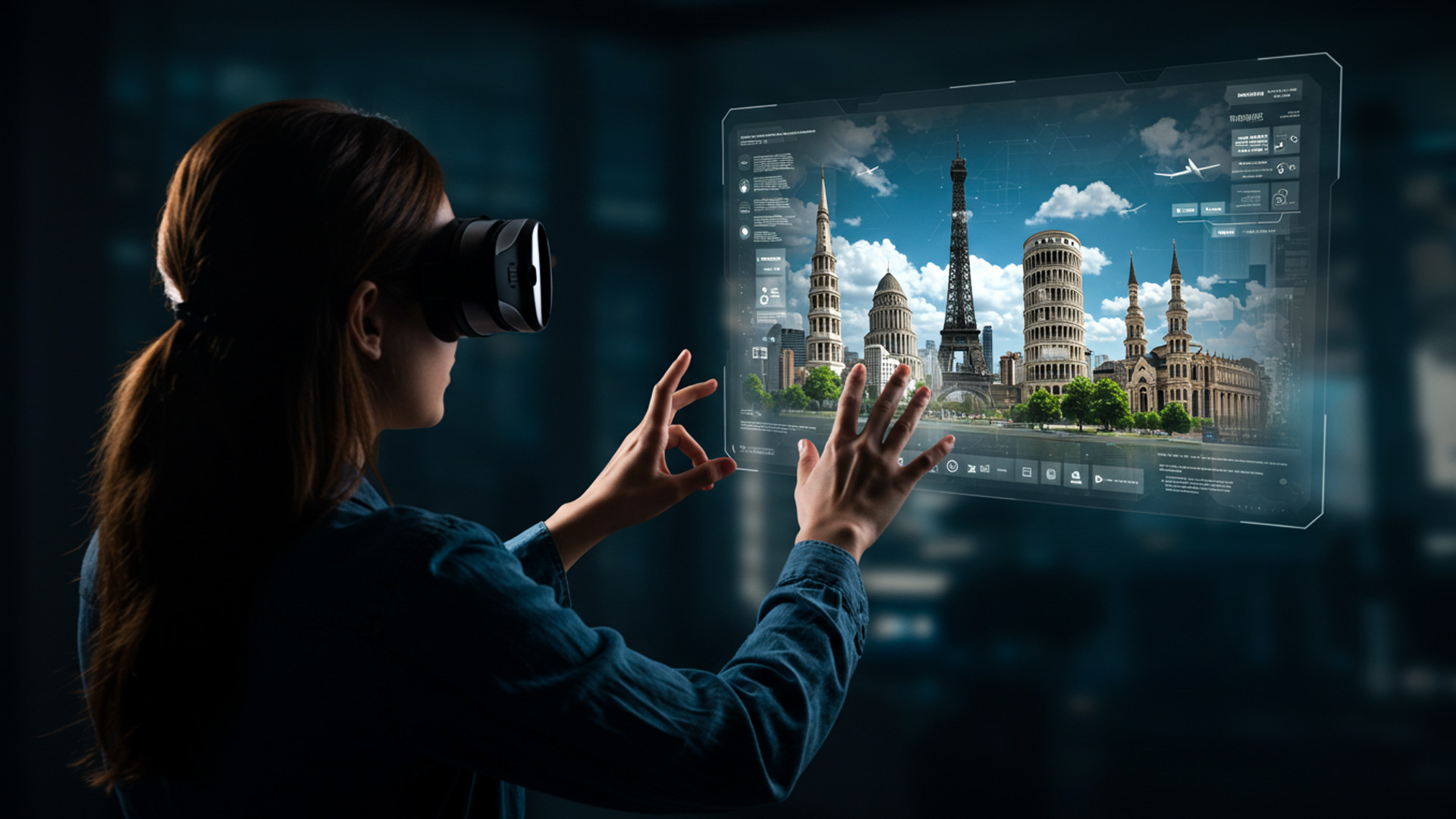
Virtual Reality presents a groundbreaking alternative to traditional travel by offering carbon-neutral experiences that replicate the essence of visiting a destination. These virtual trips eliminate the need for transportation, significantly reducing the carbon footprint associated with tourism. By providing realistic and engaging simulations of various locales, VR allows individuals to explore the world sustainably without contributing to greenhouse gas emissions.
The adoption of VR as a mainstream travel option can play a crucial role in mitigating climate change impacts. Virtual conferences, meetings, and social gatherings are becoming increasingly prevalent, and extending this trend to tourism offers a viable pathway for reducing the environmental impact of leisure activities. As VR technology continues to advance, the fidelity and realism of virtual destinations will enhance, making eco-friendly travel alternatives even more appealing to a broader audience.
Preservation of Natural Resources
Traditional tourism often leads to the depletion of natural resources through overuse and exploitation. Virtual destinations offer a sustainable alternative by allowing people to experience the beauty and majesty of nature without physically extracting its resources. For example, virtual safaris enable users to witness wildlife in their natural habitats without disturbing the ecosystem, preserving the integrity of these environments for future generations.
VR can simulate the effects of conservation efforts, illustrating the positive outcomes of protecting natural resources. By providing a visual representation of successful sustainability initiatives, virtual destinations can inspire real-world actions and support for environmental preservation. This synergy between virtual experiences and conservation awareness fosters a collective responsibility towards maintaining the planet's natural treasures.
Minimizing Infrastructure Development
The construction and maintenance of tourism infrastructure can have detrimental effects on the environment, including habitat destruction and increased pollution. Virtual Reality offers an alternative by reducing the need for physical infrastructure development. Virtual attractions, museums, and cultural sites can be accessed without the environmental costs associated with building and sustaining these facilities.
VR can complement existing infrastructure by providing additional layers of information and interaction without requiring expansion. For instance, virtual exhibits can enhance the visitor experience in museums without necessitating the construction of new wings or buildings. This approach not only minimizes environmental impact but also promotes a more efficient use of resources, aligning tourism practices with sustainable development goals.

Enhancing Cultural Preservation via Virtual Reality
Virtual Heritage Sites
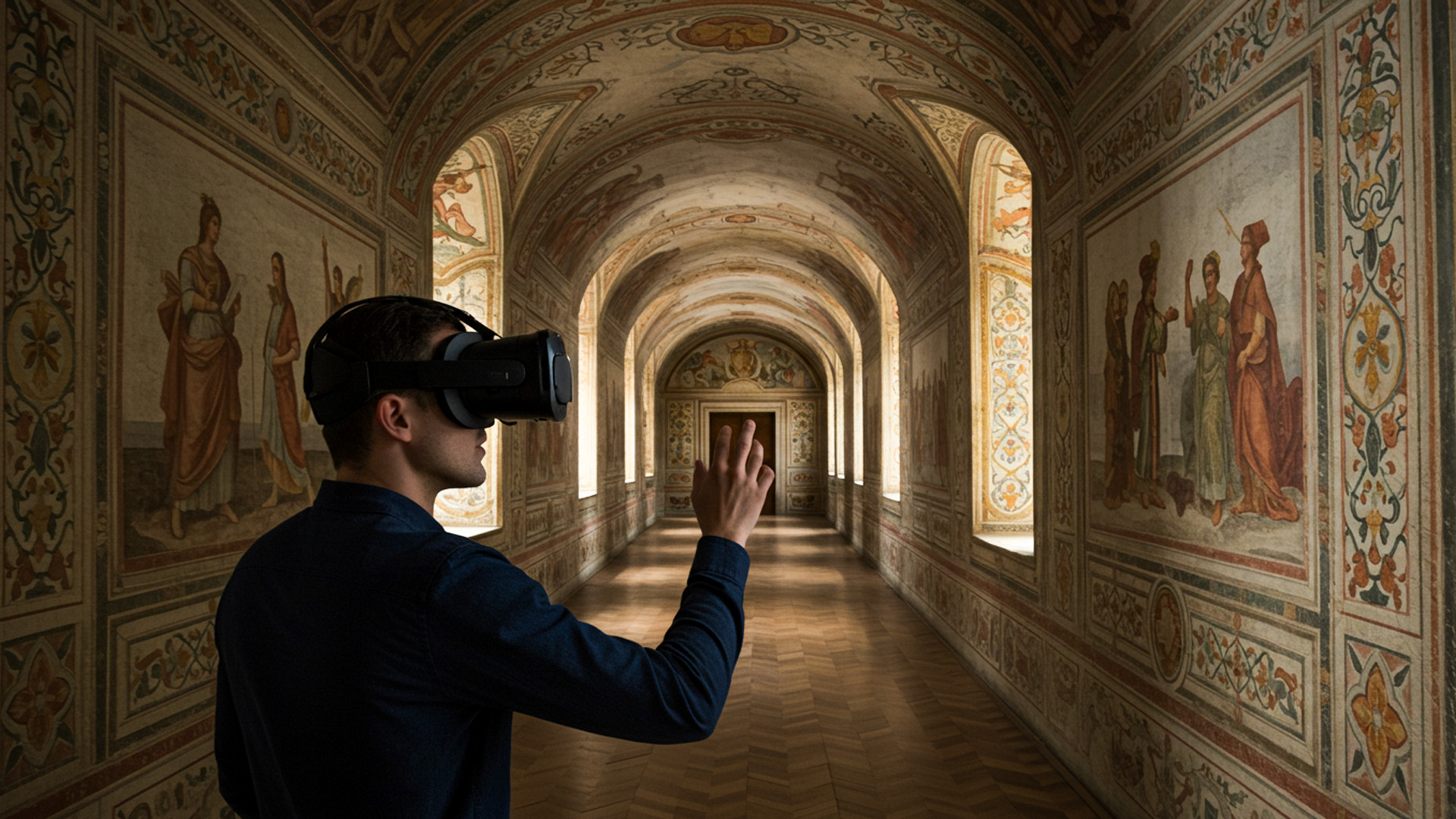
Cultural heritage sites are often vulnerable to the pressures of mass tourism, which can lead to their deterioration and loss of authenticity. Virtual Reality provides a means to preserve and showcase these sites without subjecting them to physical wear and tear. By creating detailed virtual replicas, VR ensures that cultural landmarks remain accessible and intact for future generations, even as real-world conditions change.
These virtual heritage sites offer educational opportunities, allowing users to explore and learn about different cultures and histories in an interactive manner. This digital preservation not only safeguards cultural assets but also promotes global understanding and appreciation. As a result, VR serves as a bridge between past and present, enabling the continuation of cultural narratives without compromising their integrity.
Community Engagement and Empowerment
Virtual Reality can empower local communities by involving them in the creation and management of virtual tourism experiences. By collaborating with residents, VR projects can accurately represent cultural practices, traditions, and stories, ensuring authenticity and respect for local identities. This participatory approach fosters a sense of ownership and pride among community members, encouraging them to actively contribute to sustainable tourism initiatives.
VR can provide economic opportunities for communities by creating digital content and virtual guides, diversifying income sources without relying solely on physical tourism. This diversification reduces economic dependence on tourism, making communities more resilient to fluctuations in visitor numbers. By enhancing cultural preservation and community empowerment, VR contributes to a more sustainable and inclusive tourism ecosystem.
Education and Awareness Programs
Virtual Reality serves as a powerful tool for educating both tourists and locals about the importance of cultural preservation and sustainable practices. Through immersive educational programs, users can gain insights into the historical significance and contemporary challenges faced by cultural sites. These programs can highlight the consequences of over-tourism and the benefits of sustainable tourism, fostering a more informed and conscientious traveler.
Educational VR experiences can also be integrated into school curricula, promoting awareness from a young age and instilling values of sustainability and cultural respect. By shaping the perspectives of future generations, VR contributes to long-term cultural preservation efforts. This educational dimension underscores the role of VR in not only enhancing tourism experiences but also in cultivating a global mindset that prioritizes the protection and celebration of diverse cultures.
The Economic Impacts of VR in Sustainable Tourism
Cost-Efficiency and Resource Allocation
Implementing Virtual Reality in tourism can lead to significant cost savings and more efficient resource allocation. Traditional tourism requires substantial investments in infrastructure, marketing, and maintenance, whereas VR experiences can be developed and scaled with comparatively lower costs. These savings can be redirected towards sustainability initiatives, such as conservation projects and community development programs.
VR enables more precise targeting of tourist interests, reducing the likelihood of over-investment in unsustainable projects. By providing data-driven insights into user preferences and behaviors, VR helps tourism operators make informed decisions that align with sustainability goals. This strategic allocation of resources enhances the overall efficiency and effectiveness of tourism-related expenditures, promoting a more sustainable economic model.
Job Creation and Skill Development
The integration of VR technology in tourism opens up new avenues for job creation and skill development. The demand for VR content creators, developers, and technicians grows as the industry adopts immersive technologies. Additionally, local communities can benefit from training programs that equip them with the skills needed to produce and manage virtual tourism experiences, fostering economic growth and resilience.
The shift towards virtual tourism encourages the development of a knowledge-based economy, where innovation and technological proficiency are highly valued. This transformation not only diversifies employment opportunities but also enhances the overall competitiveness of the tourism sector. By fostering a skilled workforce, VR contributes to the sustainable economic development of regions dependent on tourism.
Long-Term Sustainability and Economic Resilience
Virtual Reality enhances the long-term sustainability and economic resilience of the tourism industry by diversifying revenue streams and reducing dependency on physical tourism. In the face of global challenges such as pandemics, climate change, and geopolitical instability, VR provides a stable alternative that can maintain economic activity without being as susceptible to disruptions.
By offering virtual experiences that complement traditional tourism, VR ensures that the economic benefits of tourism can continue even when physical travel is restricted. This resilience is crucial for sustaining local economies and preserving jobs in the tourism sector. Additionally, the adaptability of VR allows the industry to respond swiftly to changing circumstances, ensuring ongoing economic stability and sustainability.
Bridging the Virtual and Physical Worlds for a Sustainable Future
Seamless Integration of VR and Traditional Tourism
The future of sustainable tourism lies in the harmonious integration of Virtual Reality with traditional travel experiences. By combining the immersive capabilities of VR with the tangible aspects of physical tourism, a hybrid model emerges that maximizes the benefits of both approaches. Virtual pre-visits, augmented by real-world exploration, create a more informed and environmentally conscious traveler.
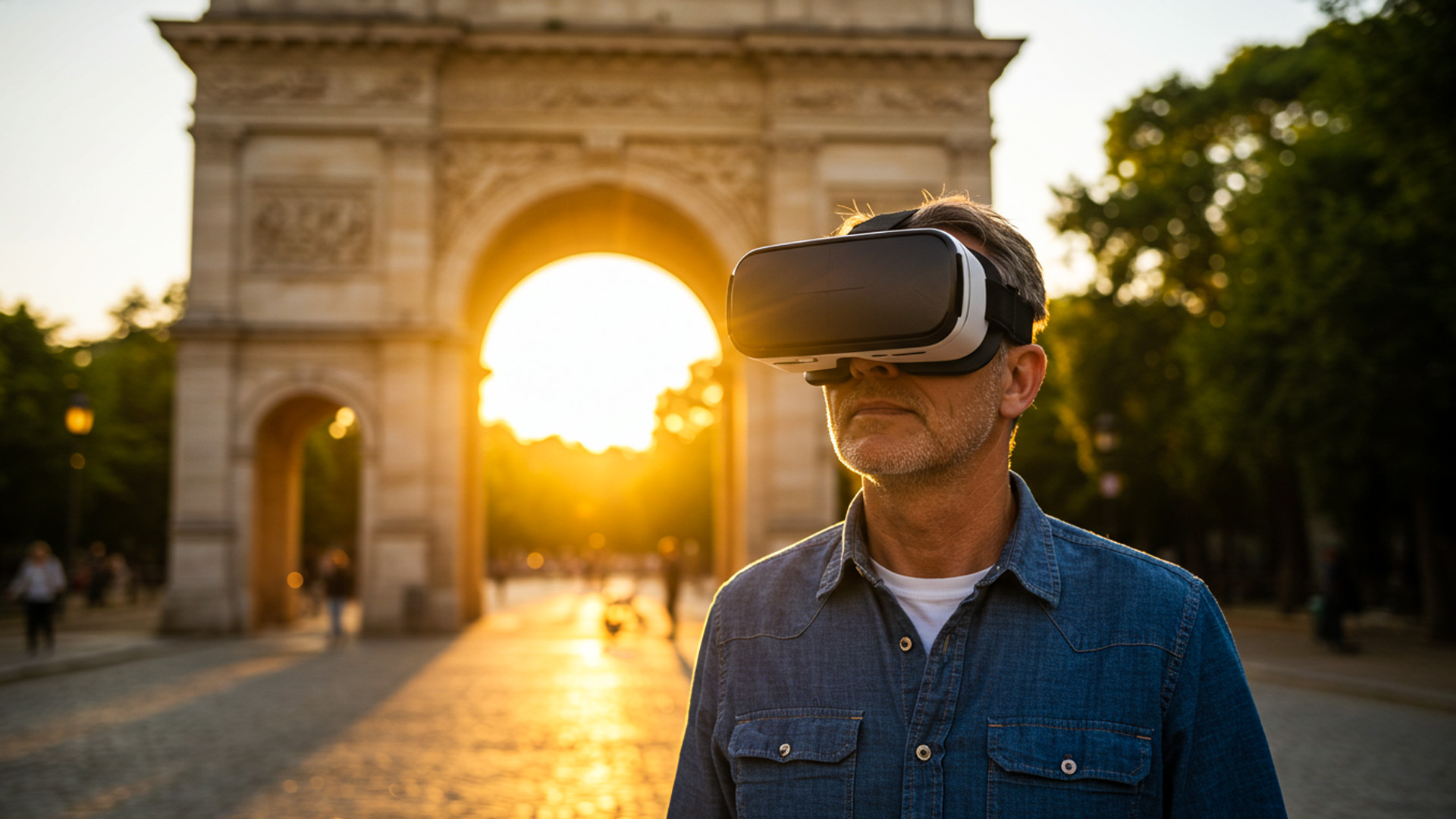
This seamless integration also allows for the enhancement of physical experiences through virtual overlays, providing additional layers of information and interaction without increasing the environmental burden. For example, visitors to a historical site can use VR headsets to access detailed narratives and visualizations, enriching their understanding without the need for extensive physical infrastructure. This synergy fosters a more sustainable and enriched tourism experience, where technology and tradition coexist to support environmental and cultural preservation.
Innovations in VR Technology for Tourism
Continuous advancements in VR technology are driving the evolution of sustainable tourism practices. Innovations such as haptic feedback, augmented reality (AR) integrations, and artificial intelligence (AI) enhancements are making virtual experiences more realistic and engaging. These technological improvements enable more sophisticated simulations of natural environments and cultural sites, increasing the appeal and effectiveness of virtual tourism.
The development of portable and affordable VR devices ensures broader accessibility, allowing more people to participate in virtual tourism. As VR technology becomes more refined and widespread, its role in promoting sustainable tourism will expand, offering ever more convincing alternatives to traditional travel. These innovations not only enhance the user experience but also contribute to the overarching goal of reducing the environmental impact of tourism.
Collaborative Efforts for Sustainable VR Tourism
The realization of VR’s potential in sustainable tourism requires collaborative efforts among stakeholders, including technology developers, tourism operators, governments, and local communities. Partnerships can drive the creation of high-quality virtual content that accurately represents destinations while adhering to sustainability principles. Collaborative frameworks ensure that VR initiatives align with broader environmental and social objectives, fostering a cohesive approach to sustainable tourism.
Additionally, international cooperation can facilitate the sharing of best practices and resources, accelerating the adoption of VR technologies in the tourism sector. By working together, stakeholders can address challenges such as digital equity and content standardization, ensuring that the benefits of VR in sustainable tourism are widely distributed. These collective efforts are essential for building a resilient and sustainable tourism industry that leverages technology for the greater good.
Bridging The Virtual And Physical Worlds For A Sustainable Future
Author: Elisha Roodt
Redefining the architecture of travel through immersive spatial reality and enterprise tourism solutions, making it possible to explore the world without limits.