How Virtual Reality is Revolutionizing Travel Experiences
In an era where technological advancements are reshaping industries at an unprecedented pace, travel has not been immune to the digital...
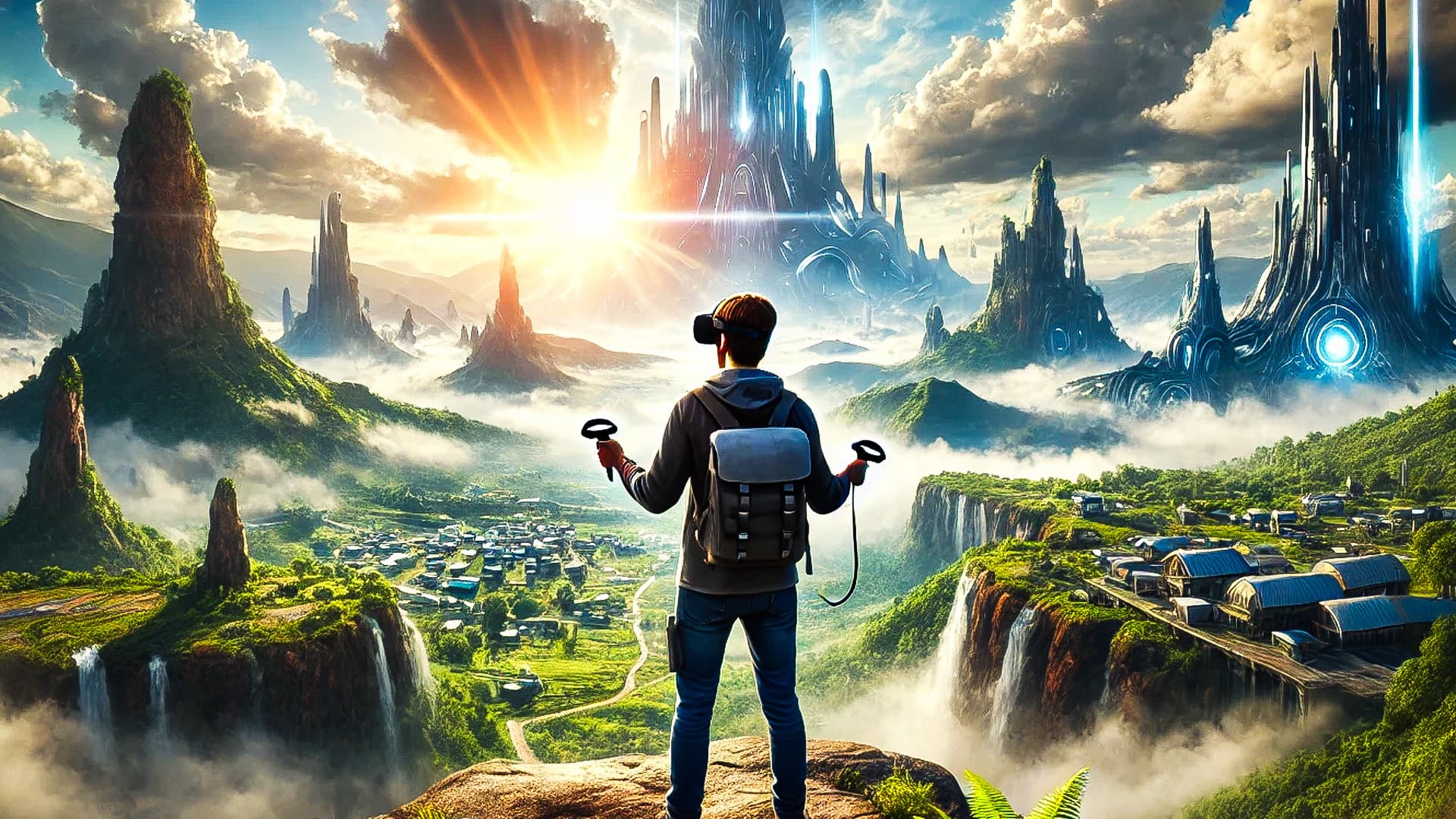
In an era where technological advancements are reshaping industries at an unprecedented pace, travel has not been immune to the digital revolution. The traditional allure of exploring foreign lands and immersing oneself in diverse cultures is now being complemented—and in some cases, transformed—by the advent of virtual reality (VR). This shift marks a significant milestone in the evolution of travel, as VR opens up new avenues for exploration and experience, allowing individuals to traverse the globe without the constraints of time, money, or physical mobility. The digital age has ushered in a new way of perceiving the world, one where the boundaries between the real and the virtual are increasingly blurred.
The Advent of Virtual Reality: A New Frontier in Travel
Understanding Virtual Reality: A Brief Overview
Virtual reality, once a concept relegated to the realms of science fiction, has now become a tangible and accessible technology. At its core, VR is an immersive experience that simulates a three-dimensional environment, allowing users to interact with and explore a digital space as though it were real. This is achieved through a combination of hardware, such as VR headsets and motion controllers, and sophisticated software that creates the illusion of presence within a virtual world. While VR was initially developed for gaming and entertainment, its applications have since expanded into various sectors, including healthcare, education, and, notably, travel.
How VR Technology Has Evolved: From Gaming to Global Exploration
The journey of VR from niche gaming technology to a tool for global exploration is a testament to its versatility and potential. Early VR systems were bulky, expensive, and limited in their capabilities, but advancements in technology have made VR more affordable, portable, and user-friendly. Today's VR experiences offer stunningly realistic graphics, spatial audio, and haptic feedback, creating an immersive environment that rivals real-world experiences. These developments have made it possible for users to virtually visit destinations, engage with local cultures, and even participate in guided tours—all from the comfort of their own homes.
Why the Travel Industry is Embracing VR: Opportunities and Benefits
The travel industry has been quick to recognize the myriad opportunities that VR presents. For travel companies, VR offers a powerful marketing tool that can entice potential customers by giving them a taste of what awaits them at their chosen destination. Virtual tours allow travelers to explore hotels, resorts, and tourist attractions before booking, reducing the uncertainty that often accompanies travel planning. Additionally, VR provides a solution for individuals who are unable to travel due to physical, financial, or logistical constraints, allowing them to experience the world in a new and meaningful way. The ability to showcase destinations in an immersive and engaging manner has made VR an invaluable asset in the travel industry's toolkit.
Immersive Destination Previews: Exploring the World Without Leaving Home
Virtual Destination Tours: A Walkthrough of Iconic Landmarks
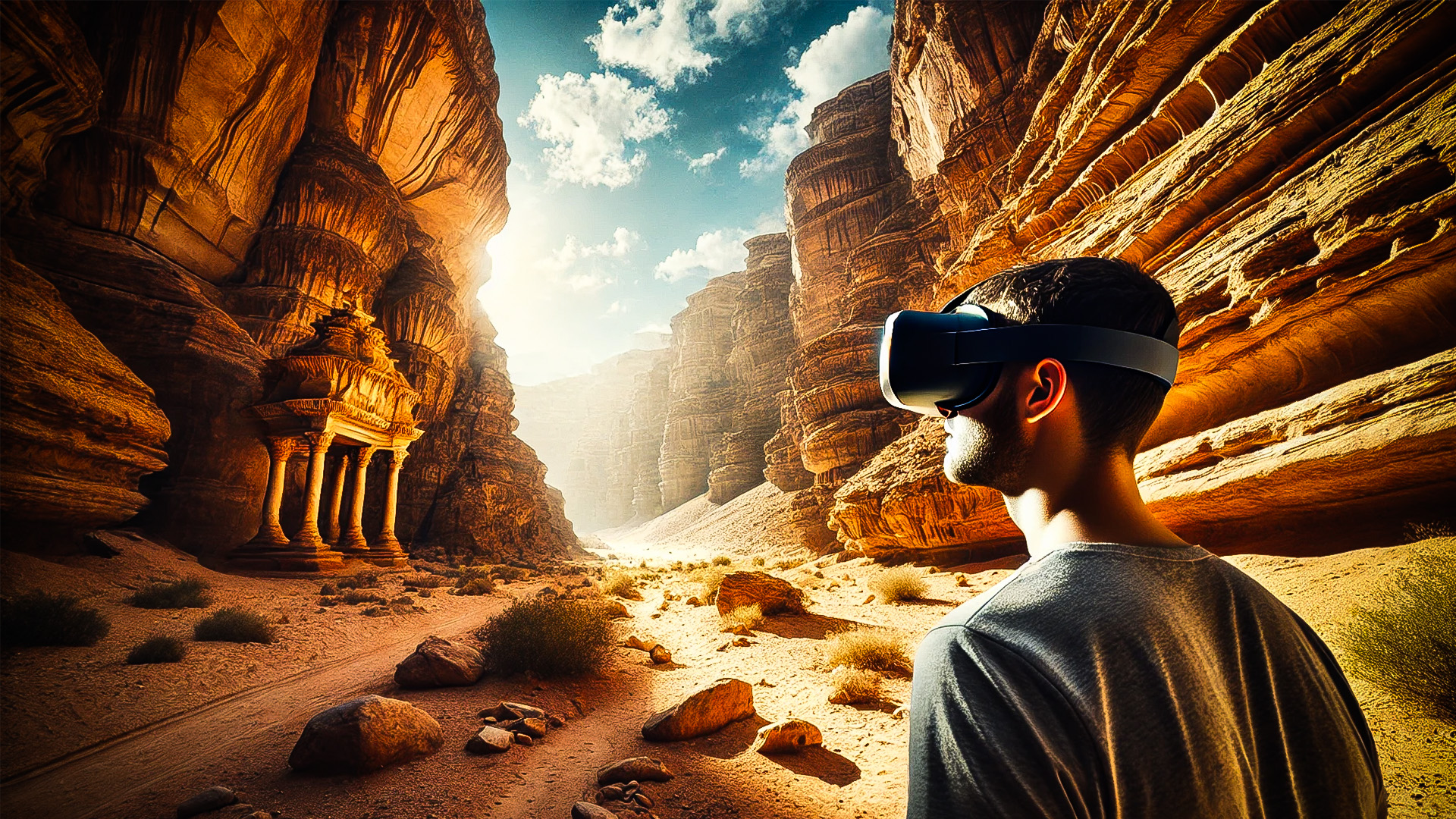
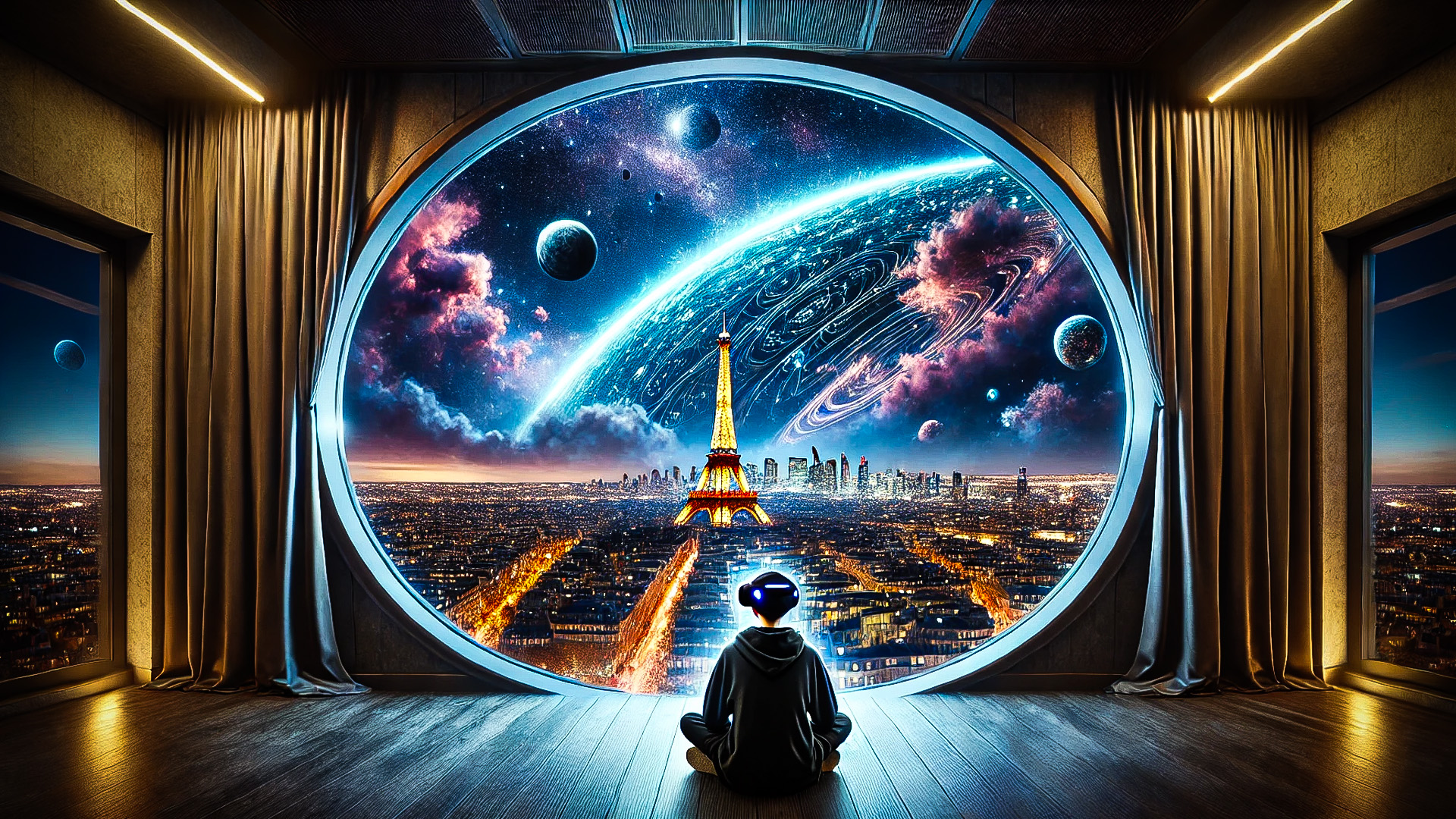
Imagine strolling through the bustling streets of Tokyo, standing at the edge of the Grand Canyon, or admiring the intricate architecture of the Taj Mahal—all without leaving your living room. Virtual destination tours have made this possible, offering users the opportunity to explore iconic landmarks and attractions in a way that is both convenient and captivating. These tours are often guided by experts who provide historical context, cultural insights, and engaging narratives, making the experience not only visually stimulating but also intellectually enriching. By bringing these far-flung locations within reach, VR is changing the way we experience and appreciate the world's wonders.
Trying Before You Fly: How VR Helps Travelers Make Informed Decisions
The concept of "try before you buy" has taken on new meaning in the travel industry, thanks to VR. Travelers can now explore potential destinations, accommodations, and activities in a virtual environment before committing to a booking. This not only enhances customer satisfaction by reducing the risk of disappointment but also empowers travelers to make more informed decisions. Whether it's walking through a hotel's rooms, testing out a resort's amenities, or getting a sense of the local ambiance, VR provides a realistic preview that can help travelers choose the experiences that best align with their preferences and expectations.
Virtual Reality Showrooms: Redefining Travel Planning
Travel planning has traditionally involved poring over brochures, reading reviews, and watching videos to get a sense of what a destination has to offer. VR is revolutionizing this process by introducing virtual reality showrooms—interactive platforms where travelers can explore various options in a dynamic and immersive way. These showrooms allow users to virtually visit multiple destinations, compare accommodations, and even participate in simulated activities, all within a single digital space. This not only streamlines the travel planning process but also makes it more engaging and enjoyable, transforming what was once a tedious task into an exciting journey of discovery.
VR and Cultural Experiences: Bridging Gaps Across Continents
Experiencing Global Cultures Firsthand: The Power of Virtual Interaction
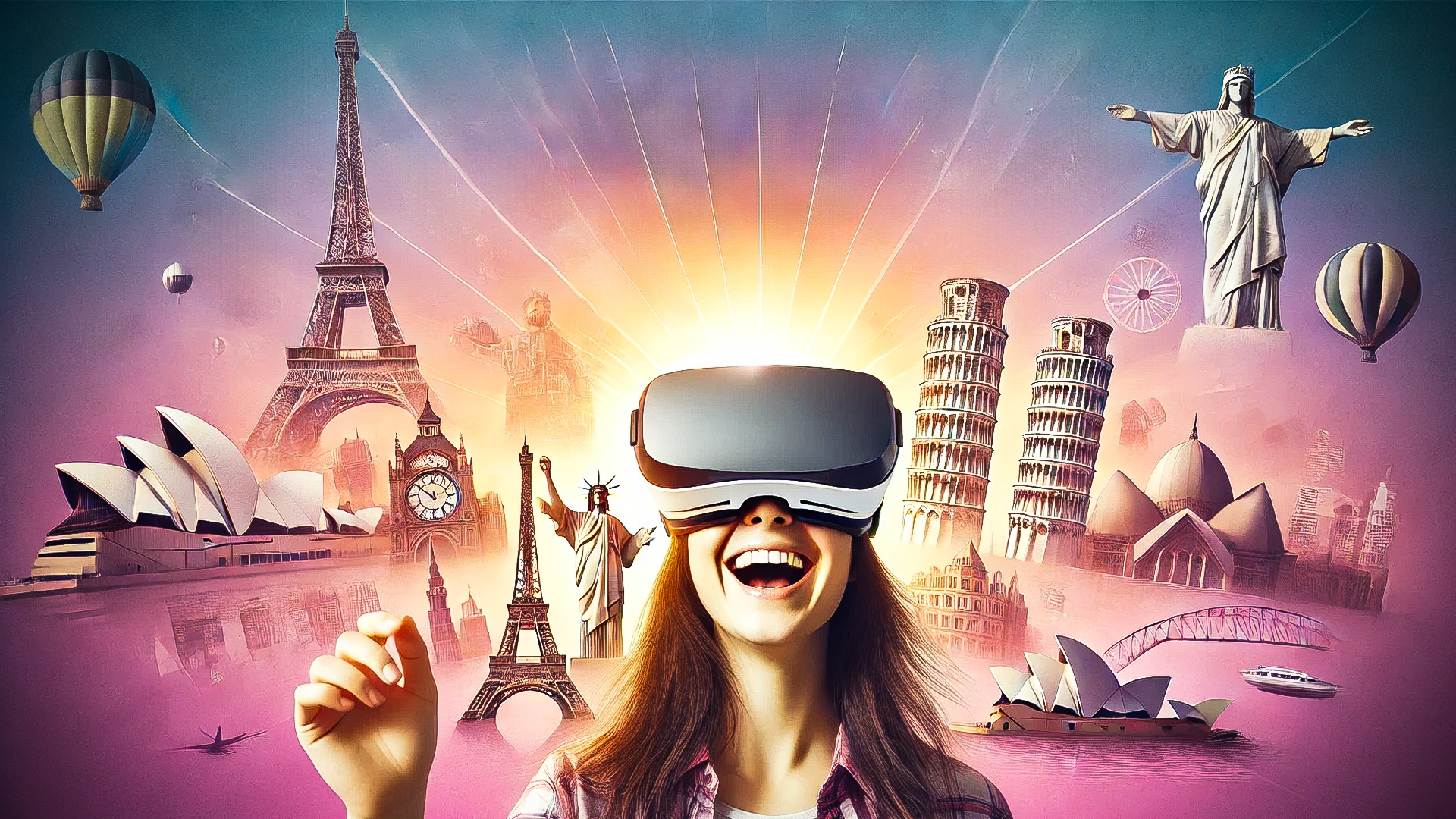
Cultural immersion has always been a cornerstone of meaningful travel, and VR is making it possible to experience global cultures in ways that were previously unimaginable. Through virtual interactions, users can participate in traditional ceremonies, explore local markets, and even engage in conversations with virtual representations of local residents. This not only provides a deeper understanding of different cultures but also fosters a sense of connection and empathy across borders. By breaking down the barriers of distance and language, VR is enabling travelers to engage with the world in a more profound and personal way.
Virtual Museums and Heritage Sites: Preserving History Through Technology
Museums and heritage sites are the custodians of our collective history and culture, but access to these institutions is often limited by geography and cost. VR is changing this by bringing these cultural treasures to a global audience. Virtual museums allow users to explore exhibitions, view artifacts, and even participate in interactive learning experiences, all from their own devices. Similarly, heritage sites that may be endangered or difficult to access can be preserved and experienced through VR, ensuring that future generations can continue to learn from and appreciate these important cultural landmarks. By combining education with entertainment, VR is helping to preserve and promote our shared heritage in innovative and engaging ways.
VR Language Immersion: Learning Languages in Contextual Environments
Learning a new language is a challenge that many travelers face, and traditional methods often fall short in providing the context and practice needed for true fluency. VR offers a solution by immersing users in environments where they can practice their language skills in real-life scenarios. Whether it's ordering food in a virtual café, negotiating prices in a market, or asking for directions on the streets of a foreign city, VR language immersion allows users to learn and practice in a way that is both practical and engaging. This contextual learning approach not only accelerates language acquisition but also builds confidence, making it easier for travelers to communicate effectively when they reach their destination.
Virtual Reality in Travel Marketing: A Game-Changer for the Industry
Captivating Audiences with 360-Degree Videos and Virtual Ads
In the highly competitive travel industry, capturing the attention of potential customers is no easy task. Traditional advertising methods, while effective, are often limited in their ability to convey the full experience of a destination. VR, however, offers a new and powerful way to engage audiences through 360-degree videos and virtual ads. These immersive marketing tools allow travelers to experience a destination as if they were actually there, providing a sense of place and atmosphere that static images and videos simply cannot match. By offering a more vivid and compelling preview, VR marketing helps to build excitement and anticipation, ultimately driving bookings and sales.
VR in Social Media Campaigns: Engaging Travelers with Immersive Content
Social media has become a crucial platform for travel marketing, and VR is taking this to the next level by offering immersive content that stands out in a crowded digital landscape. By integrating VR experiences into social media campaigns, travel brands can offer followers a unique and engaging way to explore destinations, share experiences, and connect with other travelers. Whether it's a virtual tour of a luxury resort, a 360-degree view of a festival, or an interactive exploration of a city, VR content can create a buzz on social media that translates into real-world interest and engagement.
Enhancing Brand Loyalty Through Personalized Virtual Experiences
In an industry where customer loyalty is hard to come by, VR offers a way to create personalized experiences that resonate with travelers on a deeper level. By tailoring virtual experiences to individual preferences and interests, travel brands can build stronger connections with their customers, fostering loyalty and repeat business. Whether it's a virtual concierge service that provides personalized recommendations or a custom-designed virtual tour that highlights a traveler's favorite activities, these personalized experiences can make travelers feel valued and understood, enhancing their overall satisfaction and loyalty to the brand.
Transforming Travel Education: VR as a Tool for Learning and Training
Virtual Field Trips for Students: Education Beyond the Classroom
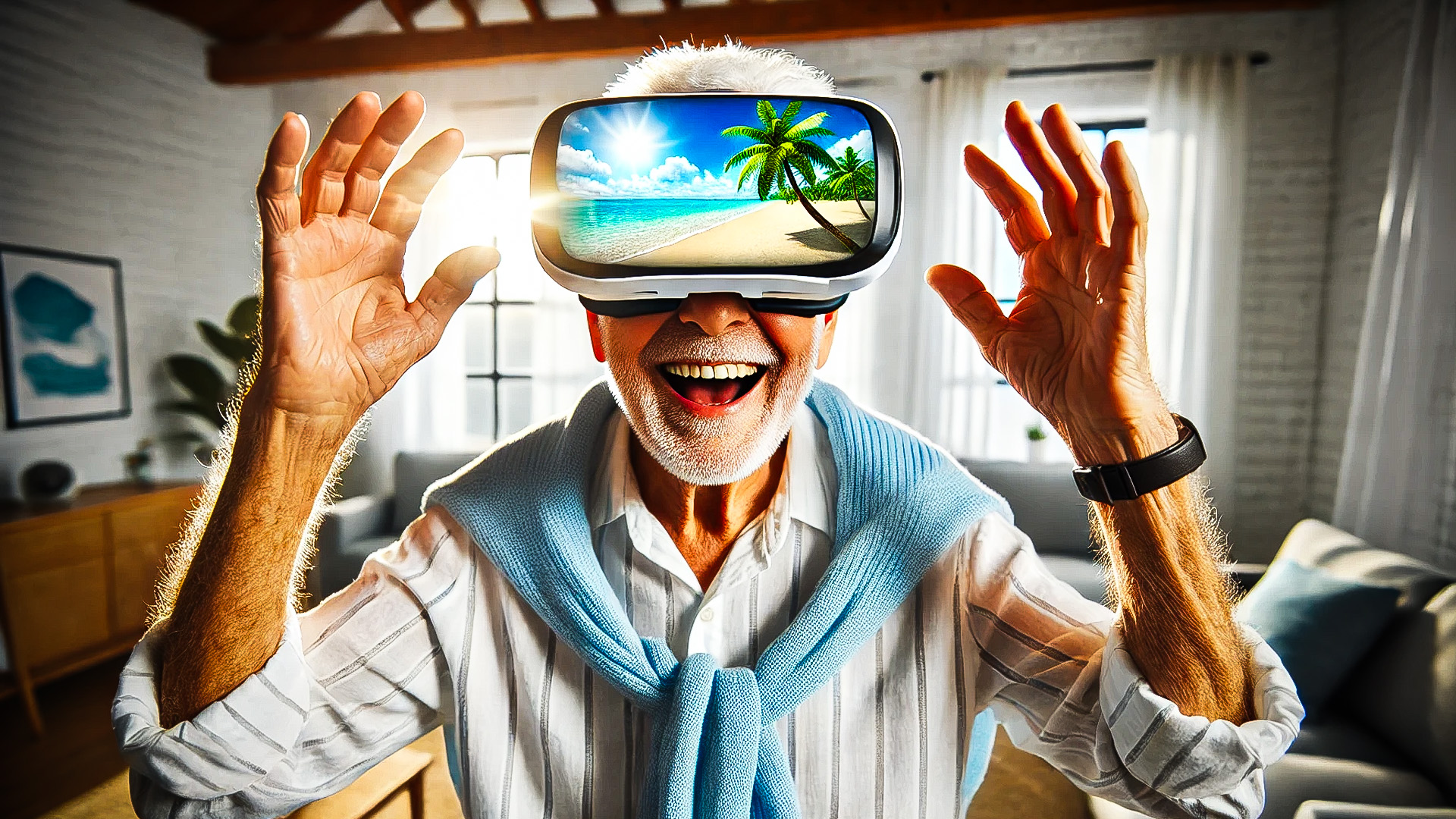
Education is not confined to the four walls of a classroom, and VR is proving to be a powerful tool for expanding the horizons of students around the world. Virtual field trips allow students to explore faraway places, experience different cultures, and learn about history and science in a hands-on way that traditional textbooks cannot provide. Whether it's exploring the pyramids of Egypt, diving into the Great Barrier Reef, or walking through the streets of ancient Rome, these virtual experiences bring learning to life, making education more engaging, interactive, and memorable.
Training Travel Professionals: VR as a Hands-On Learning Platform
The travel industry is complex and dynamic, requiring professionals to be well-versed in a wide range of skills and knowledge. VR is emerging as an effective training tool, providing hands-on learning experiences that are both practical and immersive. Whether it's training travel agents on new destinations, helping tour guides refine their presentation skills, or teaching hospitality staff how to handle different customer scenarios, VR offers a safe and controlled environment for travel professionals to learn and practice. This not only enhances their skills and confidence but also improves the overall quality of service in the industry.
Ethical Tourism Education: Using VR to Promote Sustainable Travel Practices
As the impact of tourism on the environment and local communities becomes increasingly apparent, there is a growing need for education on ethical and sustainable travel practices. VR offers a unique way to raise awareness and promote responsible tourism by allowing travelers to experience the consequences of their actions firsthand. Whether it's a virtual tour of a fragile ecosystem, an exploration of a community affected by overtourism, or a simulation of sustainable practices, VR can help travelers understand the importance of making ethical choices. By fostering a sense of responsibility and stewardship, VR can play a crucial role in promoting sustainable travel practices that benefit both people and the planet.
VR Travel for Accessibility: Making the World Accessible to All
Bringing the World to Those with Mobility Challenges
For individuals with mobility challenges, travel can often be difficult, if not impossible. VR is changing this by making the world more accessible, allowing those who are unable to travel physically to experience new places and cultures virtually. Whether it's exploring a national park, visiting a museum, or simply enjoying a walk through a foreign city, VR provides an immersive experience that can be both liberating and empowering. By removing the physical barriers to travel, VR is opening up new possibilities for exploration and adventure, making the world accessible to all.
Virtual Travel for the Elderly: A New Way to Experience the World
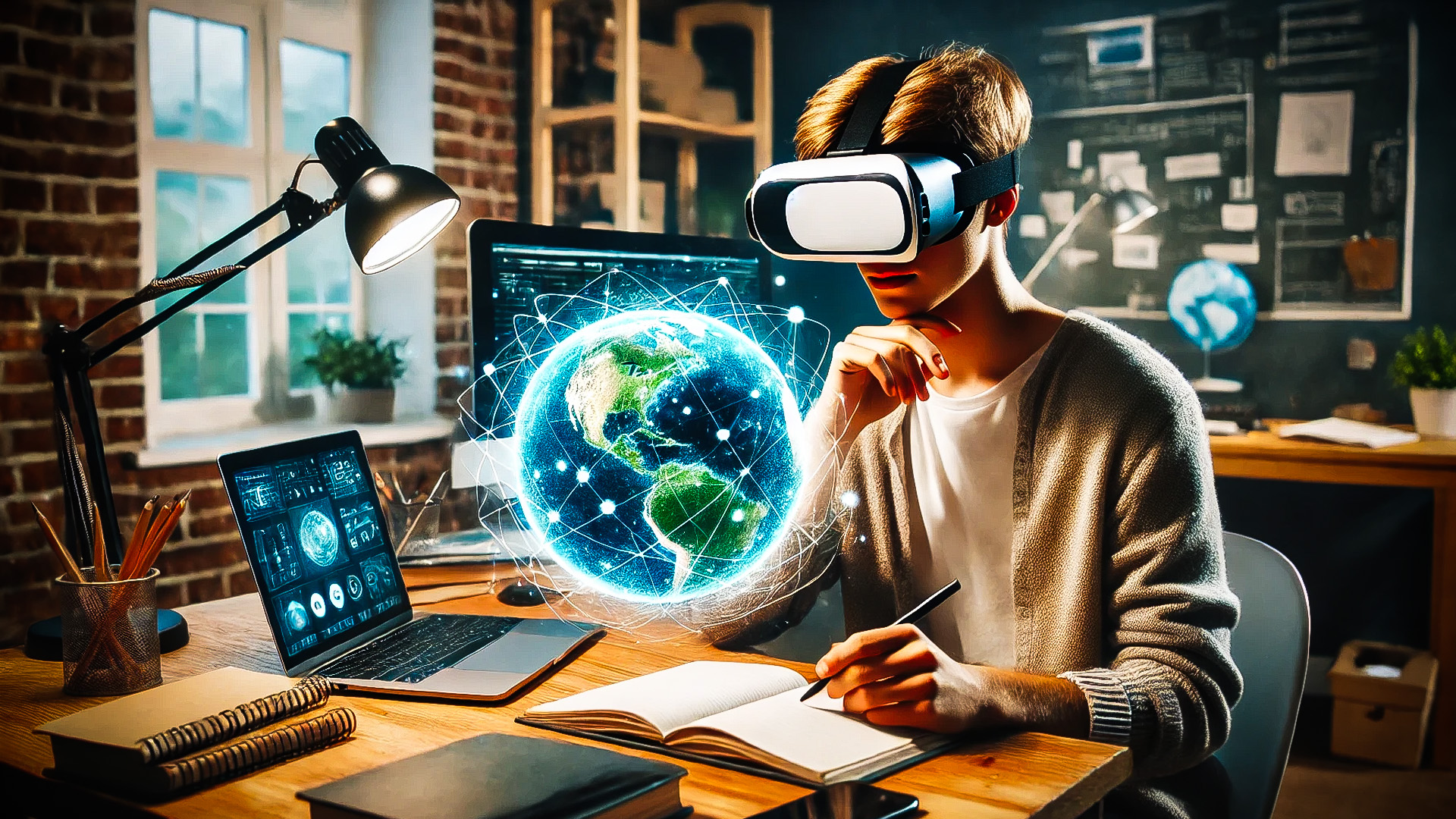
As people age, the desire to travel often remains strong, even as the ability to do so diminishes. VR offers a new way for the elderly to experience the world, allowing them to revisit favorite destinations, explore new ones, and engage in cultural experiences without the physical demands of travel. These virtual experiences can provide a sense of connection and fulfillment, helping to combat feelings of isolation and loneliness. By making travel more accessible to the elderly, VR is enriching their lives and providing a new way to experience the joys of exploration.
Expanding Accessibility: How VR is Democratizing Travel
Travel has long been seen as a luxury, accessible only to those with the time, money, and physical ability to do so. VR is democratizing travel by making it accessible to a broader audience, regardless of their circumstances. Whether it's financial constraints, health issues, or time limitations, VR offers a way for everyone to experience the world in a meaningful and immersive way. This democratization of travel is not only expanding horizons but also fostering a greater sense of global connectedness and understanding, as more people are able to explore and appreciate the diversity of our world.

The Future of VR in Travel: What Lies Ahead
Emerging Trends in VR Travel Technology: What’s Next?
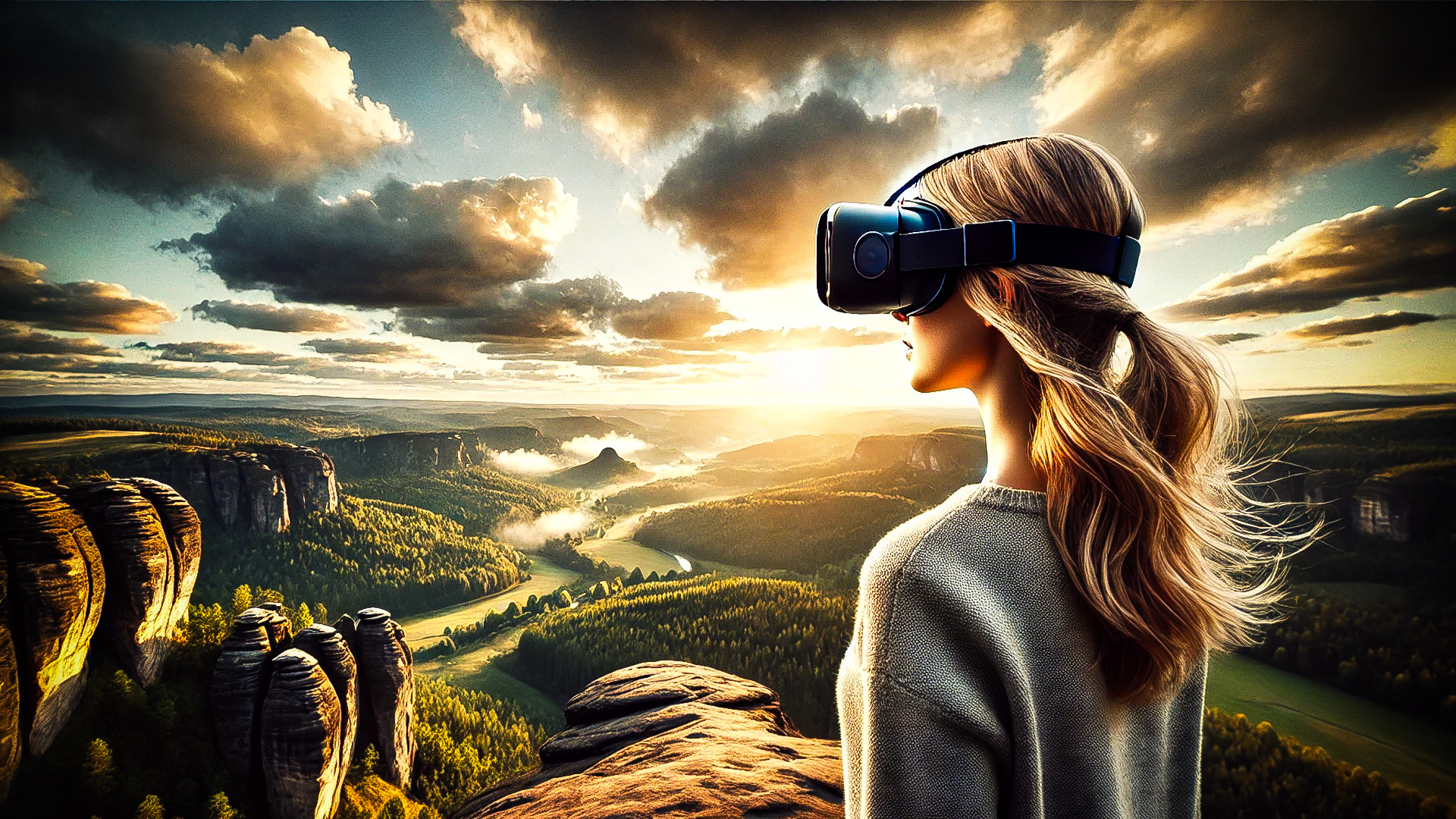
As VR technology continues to evolve, the possibilities for its application in travel are virtually limitless. Emerging trends such as augmented reality (AR), mixed reality (MR), and artificial intelligence (AI) are poised to take VR travel experiences to new heights, offering even more immersive and personalized experiences. From AI-driven virtual tour guides that tailor experiences to individual preferences, to AR-enhanced travel apps that overlay information on real-world environments, the future of VR in travel is bright and full of potential. These advancements will not only enhance the travel experience but also continue to push the boundaries of what is possible in the digital age.
The Role of AI and VR: Personalizing Travel Experiences
The integration of AI with VR is set to revolutionize the way we experience travel, offering personalized experiences that cater to individual tastes and preferences. AI can analyze user data to create customized itineraries, recommend activities, and even adjust virtual environments in real-time to suit the traveler’s mood and interests. This level of personalization will make virtual travel experiences more engaging and enjoyable, allowing users to explore the world in a way that feels uniquely tailored to them. As AI and VR continue to develop, we can expect to see even more sophisticated and personalized travel experiences that blur the line between the virtual and the real.
Potential Challenges and Ethical Considerations in VR Travel
While the potential of VR in travel is immense, it also raises important ethical considerations and challenges. Issues such as the digital divide, data privacy, and the potential for VR to replace real-world experiences are all concerns that need to be addressed. Additionally, there is the question of how VR tourism might impact the travel industry and local economies, particularly in regions that rely heavily on tourism revenue. As we move forward, it will be important to balance the benefits of VR with these considerations, ensuring that the technology is used in a way that is ethical, inclusive, and sustainable.
The Lasting Impact of VR on Travel and Tourism
As virtual reality continues to advance, its impact on the travel and tourism industry will be profound and far-reaching. By offering new ways to explore, learn, and connect with the world, VR is transforming the way we experience travel, making it more accessible, personalized, and immersive than ever before. While challenges and ethical considerations remain, the potential benefits of VR in travel are undeniable, offering exciting possibilities for the future of exploration. As we stand on the brink of this new frontier, one thing is clear: the way we travel will never be the same again.
The Future Of Vr In Travel What Lies Ahead
Author: Elisha Roodt
Redefining the architecture of travel through immersive spatial reality and enterprise tourism solutions, making it possible to explore the world without limits.