
How Virtual Reality is Making Travel Accessible to Everyone
The Promise of Virtual Travel Virtual reality has evolved from a niche technology into a transformative medium, reshaping industries and altering...
The Promise of Virtual Travel
Virtual reality has evolved from a niche technology into a transformative medium, reshaping industries and altering the way we experience the world around us. Originally perceived primarily as a tool for gaming and entertainment, VR has broadened its horizons, making significant inroads into fields such as education, healthcare, and most notably, travel. As more individuals embrace this innovative technology, VR's capacity to deliver immersive, life-like experiences is improving at an unprecedented rate. This evolution has sparked a new wave of interest in virtual travel, fundamentally changing how we perceive exploration.
Travel, traditionally constrained by the physical limitations of geography, time, and financial resources, is experiencing a revolutionary shift. The dream of visiting distant lands is no longer the exclusive privilege of those who can afford flights and accommodation or who possess the physical ability to embark on long journeys. Virtual reality is redefining travel by offering rich, sensory experiences that can be enjoyed from the comfort of one’s home. Whether it’s wandering through the ancient streets of Rome, snorkeling in the Great Barrier Reef, or exploring the vast landscapes of national parks, VR makes it possible for anyone to experience these destinations without the logistical challenges and costs associated with traditional travel.
This technology is breaking down barriers for individuals who have historically been excluded from the travel experience. People with disabilities, the elderly, and those unable to travel for health or financial reasons can now access immersive experiences that allow them to explore the world. By simulating travel environments, VR can provide therapeutic benefits, helping users to combat feelings of isolation and disconnection. For families unable to take vacations due to constraints, virtual travel offers a way to bond and create shared memories in new and exciting settings.
As the technology continues to evolve, the possibilities for virtual travel are expanding. From enhanced sensory feedback to virtual guided tours led by local experts, the future promises even more engaging experiences. As we navigate this digital frontier, the way we interact with the world and its cultures may become richer and more accessible, forever altering the concept of travel. Virtual reality is not just a tool for exploration; it is a gateway to understanding and appreciating the beauty and diversity of our planet in a way that was previously unimaginable.
The Limitations of Traditional Travel
Traditional travel, while exhilarating and enriching, often remains inaccessible to many individuals due to a variety of barriers. The financial burdens associated with airfare, lodging, and transportation can make it feel like an unattainable luxury for a significant portion of the population. For those on a tight budget, the cost of planning even a short getaway can deter them from pursuing travel experiences altogether. This financial aspect not only limits spontaneous adventures but also restricts individuals from exploring new cultures, cuisines, and landscapes.
The challenges become even more pronounced for people with disabilities. Traditional travel can pose significant hurdles, from navigating busy airports with inadequate accessibility features to enduring long flights that may not accommodate special needs. Exploring destinations that lack proper facilities for those with mobility issues can transform what should be a joyous experience into an arduous ordeal. For many, the excitement of travel is overshadowed by anxiety and frustration about the potential obstacles they may encounter along the way. These logistical and financial constraints have long limited the scope of who gets to explore the world, often excluding those who would benefit the most from these enriching experiences.
This is where virtual reality steps in, offering a transformative solution that levels the playing field for all. VR technology allows users to visit iconic landmarks, stroll through bustling streets, or take in breathtaking panoramic views—all from the comfort of their own homes. Imagine someone who has always dreamed of walking through the charming streets of Paris or standing at the foot of the Great Wall of China; with VR, they can now immerse themselves in these wonders in ways that feel strikingly real. They can explore the vibrant colors of a sunset over the Santorini cliffs or experience the vibrant atmosphere of a local market, all without having to confront the physical and financial challenges of conventional travel.
Exploring the World Without Leaving Home
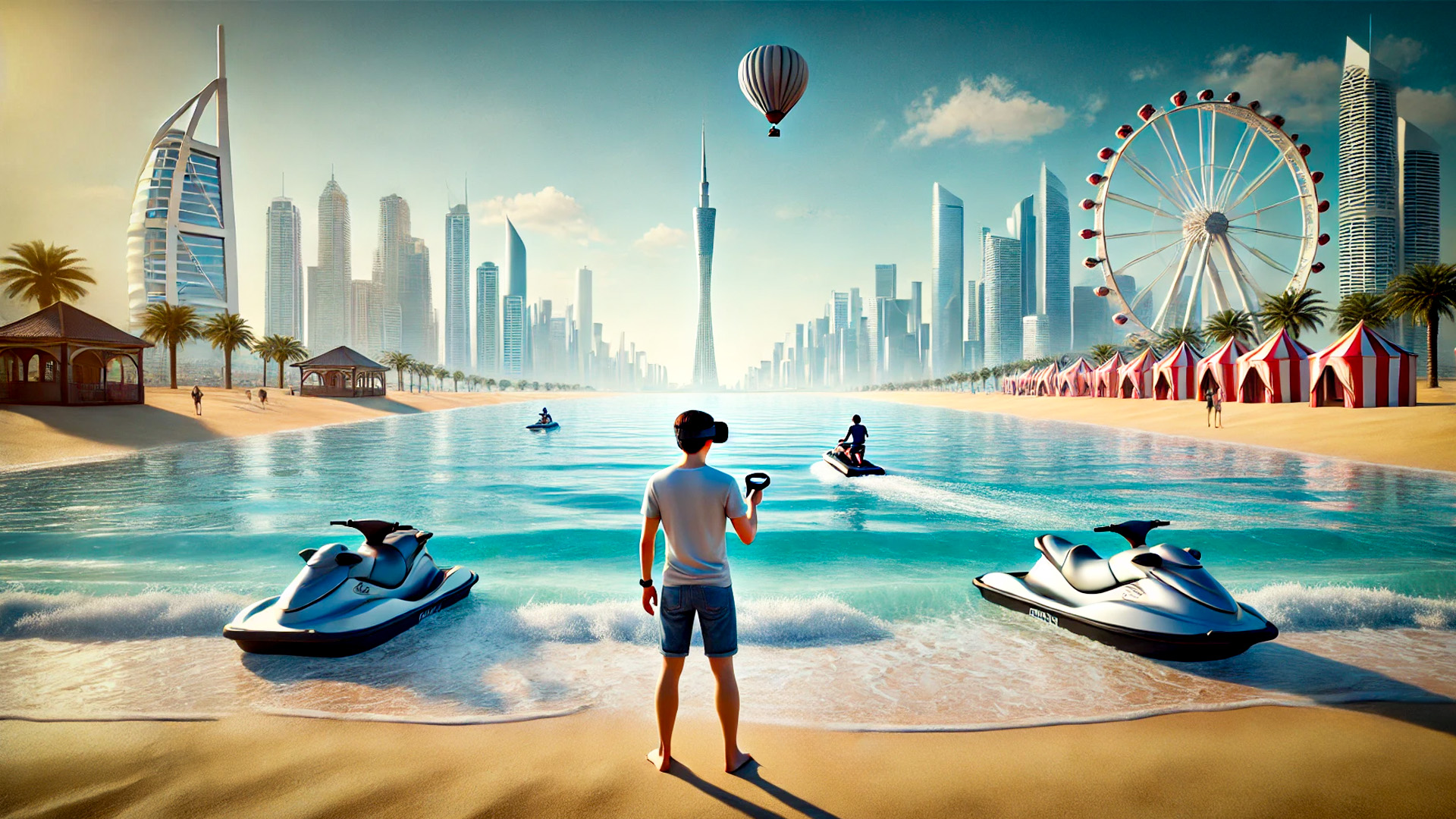
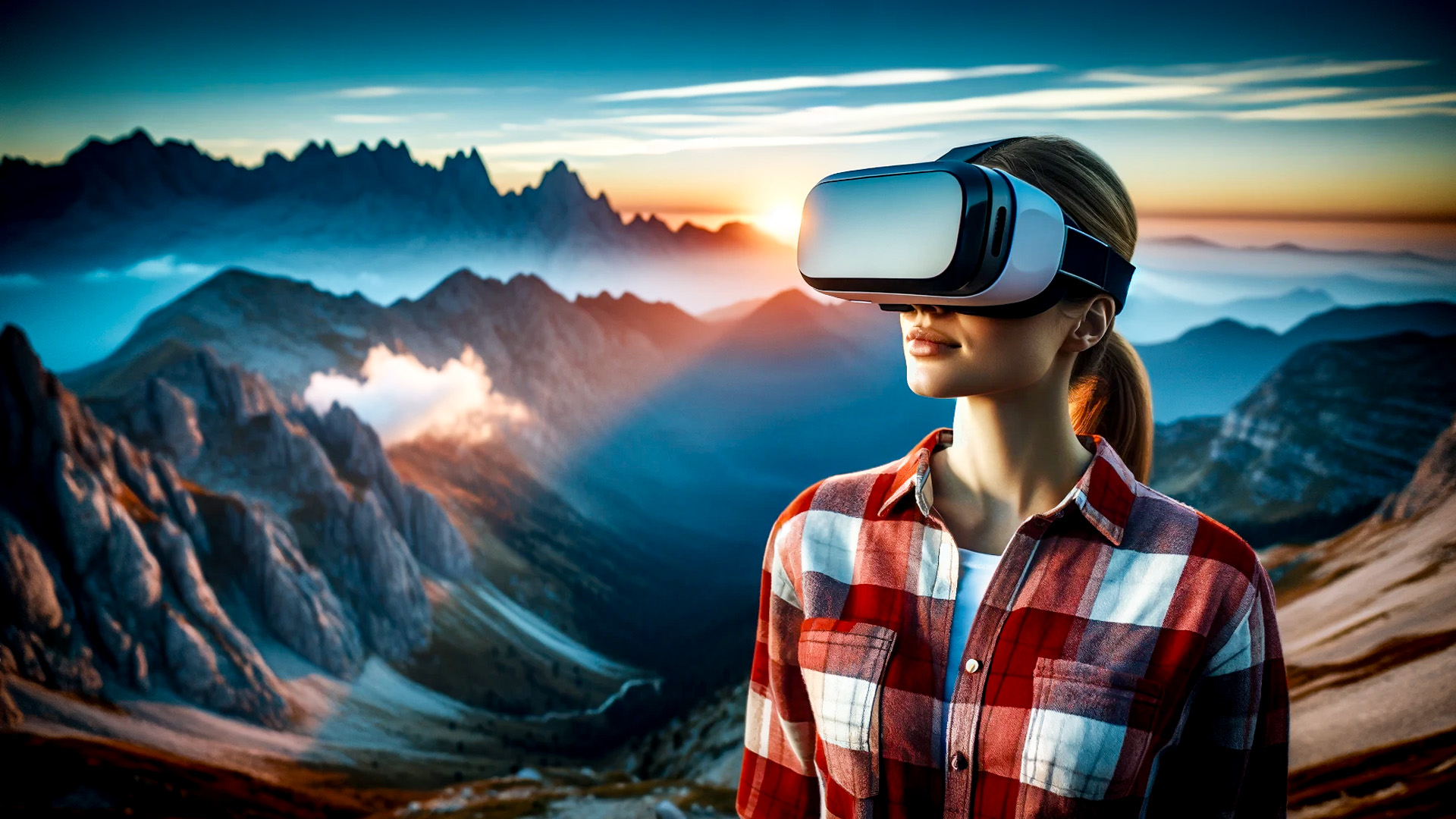
One of the most powerful aspects of virtual reality (VR) is its remarkable ability to replicate real-world destinations in stunning detail. Users can simply slip on a VR headset and suddenly find themselves immersed in the bustling heart of Times Square, enveloped by its kaleidoscope of lights, sounds, and vibrant energy. Alternatively, they might wander through the ancient ruins of Machu Picchu, marveling at the history and culture etched into every stone. This level of immersion transports users to places they may have only dreamed of visiting, bridging the gap between fantasy and reality.
These VR experiences extend beyond mere visual encounters; they are dynamic, interactive adventures that engage multiple senses. Through the integration of 360-degree video and photorealistic environments, users can explore these digital landscapes at their own pace. They can interact with their surroundings, bending down to examine intricate details or turning around to take in the expansive views. The vibrant colors of a local marketplace come alive, accompanied by the gentle rustle of leaves in a serene forest, or the echo of footsteps resonating in a historic museum. VR captures the essence of these environments, making the experience feel almost indistinguishable from being physically present. Cultures and environments that once seemed distant or unattainable are now accessible at the click of a button, thanks to this groundbreaking technology.
VR as an Inclusive Travel Tool
For individuals with mobility impairments or other physical disabilities, traditional travel often feels like an impossible dream. Even in the most accessible destinations, the limitations imposed by architecture, transportation, and public spaces can be overwhelming and discouraging. In contrast, virtual reality offers an empowering alternative. Within the virtual realm, the need for wheelchairs, ramps, or personal assistants vanishes. The traveler can simply step into a digital environment and embark on their journey, free from the physical constraints that may hinder their real-world explorations.
VR doesn’t merely replicate real-world locations; it also provides a profound sense of liberation and empowerment. The ability to explore without restrictions, to venture into places once considered inaccessible, fosters a deep sense of freedom and possibility. Personal stories abound of individuals who have experienced the world through VR—some visiting family homelands they could never physically reach, others fulfilling lifelong dreams of standing on the shores of distant lands they had only read about. These journeys, while virtual, resonate deeply, offering a sense of accomplishment and joy to those for whom travel was once out of reach.
The emotional impact of these virtual adventures can be transformative. For many, VR provides a way to connect with their heritage, culture, or simply to satisfy a longing for exploration. As they navigate through stunning landscapes or bustling city streets, users often report feelings of happiness, nostalgia, and even catharsis. This sense of connection and belonging, coupled with the joy of discovery, illustrates the profound potential of VR as a tool for inclusion and exploration. In a world where travel has long been synonymous with freedom and adventure, VR is redefining those terms, making them accessible to everyone.
Accessible Travel for the Elderly and Those with Health Conditions
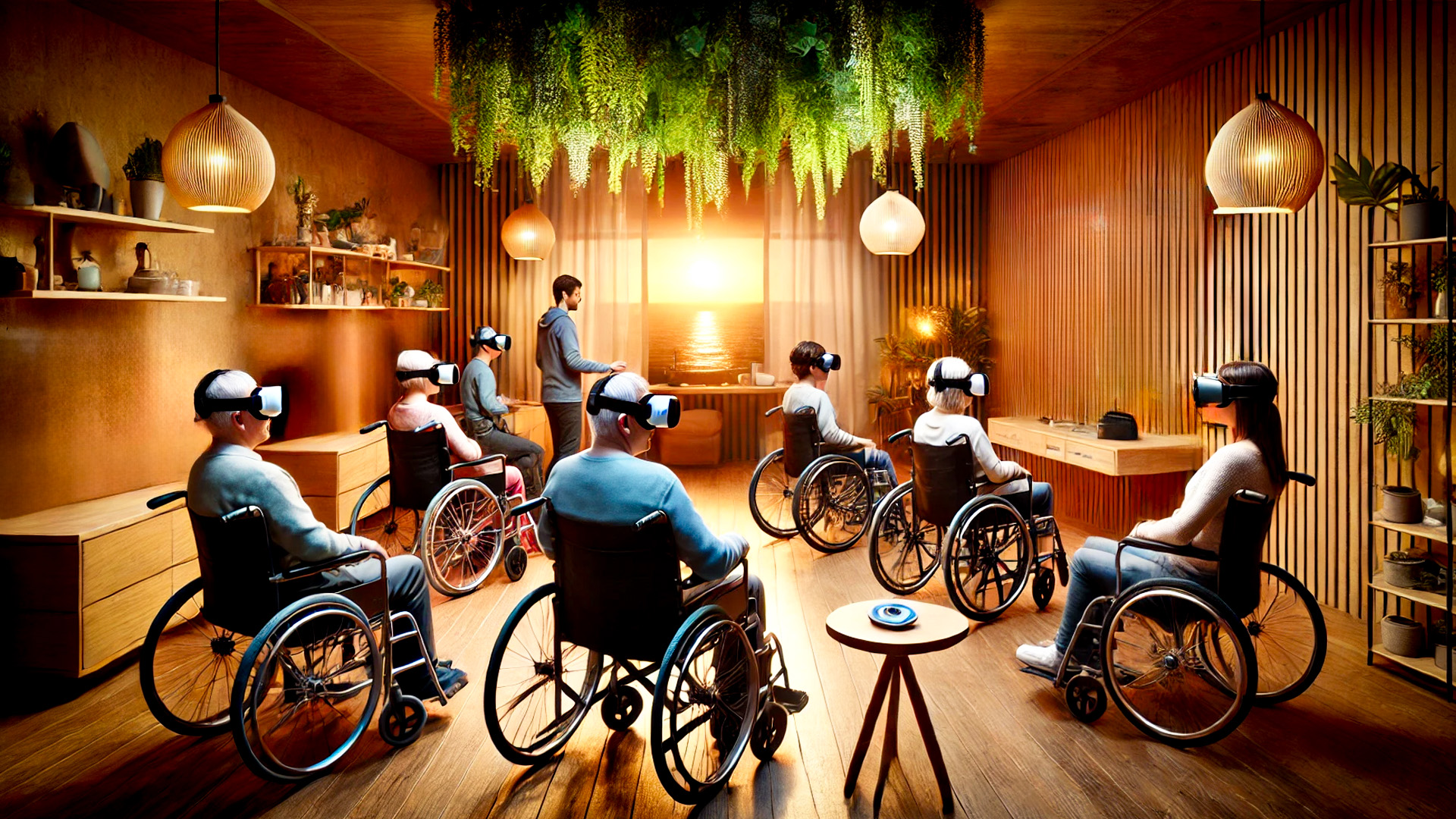
Virtual reality opens doors for elderly individuals or those with chronic health conditions that make physical travel a daunting prospect. As age and illness take their toll, long-distance travel can become increasingly unfeasible, and the notion of globetrotting may feel like a distant memory. However, VR offers these individuals the unique opportunity to re-experience the thrill of exploration, providing a gateway to the world without the strain and challenges associated with traditional travel.
By removing the stress and physical demands of travel, VR presents a calming, therapeutic alternative. Seniors can revisit cherished places from their past, reconnecting with memories of adventures and joyful experiences. Meanwhile, patients confined to hospital beds can momentarily escape the sterile and often isolating environment of their surroundings. This form of digital travel is not merely entertaining; it serves as a valuable form of cognitive and emotional therapy, helping to alleviate feelings of isolation and despair.
The emotional and psychological benefits of virtual travel for this demographic are immense. Studies have shown that immersive experiences can lead to reduced anxiety and improved mood, helping users to regain a sense of agency and purpose. For many, these virtual vacations provide a respite from daily struggles and a reminder of the beauty that exists in the world. The ability to explore diverse landscapes and cultures can invigorate the spirit, encouraging seniors and individuals with health conditions to engage with their surroundings in meaningful ways, even if those experiences are virtual.
The Emotional Impact of Virtual Travel: Real Connection in a Digital World
Travel is not merely about seeing new sights; it’s also about the emotional fulfillment that arises from discovery and connection. Virtual reality taps into that same sense of wonder and engagement, allowing users to immerse themselves in environments that evoke awe, curiosity, and joy. Whether standing on the edge of a vast canyon or strolling through a serene Japanese garden, VR has the power to replicate the profound emotional responses that are central to travel experiences. This emotional engagement can be particularly crucial for elderly individuals or those facing health challenges, as it can significantly enhance their quality of life.
Beyond pure escapism, these virtual vacations offer meaningful mental health benefits. For individuals dealing with anxiety, depression, or other stress-related conditions, VR provides a calming escape, allowing them to 'get away' without the complexities and demands of actual travel. The immersive nature of VR can transport users to peaceful, beautiful settings, providing a soothing break from daily stresses.
VR fosters connections between people and cultures, even across great distances. Interacting with others in virtual environments—whether by participating in guided tours, attending virtual cultural events, or simply sharing experiences—can provide a vital social element of travel. These connections help users forge new bonds, share stories, and explore shared experiences, enriching their understanding of the world and its diverse cultures. In a digital age, where loneliness and isolation can be prevalent, virtual reality stands out as a powerful tool for fostering connection, understanding, and emotional well-being.
Educational and Experiential Travel in VR
The potential of virtual reality (VR) extends far beyond mere sightseeing; it serves as a groundbreaking educational tool that is transforming how people learn about history, science, and culture. With VR, users can step back in time to explore ancient civilizations, journey into the depths of the ocean, or soar through the cosmos, experiencing the wonders of the universe in an entirely new way. These immersive experiences foster a deeper understanding of the world, igniting a sense of wonder that traditional textbooks or videos simply cannot replicate. By engaging multiple senses, VR allows learners to connect with content on a profound level, making education both enjoyable and impactful.
Virtual tours offer hands-on learning opportunities that enhance the educational experience. Users can engage with their surroundings, interact with artifacts, and even participate in guided tours led by experts. For instance, imagine walking through the iconic Colosseum while a historian recounts the stories of gladiators or exploring the vibrant Amazon rainforest with a biologist who explains the delicate balance of its ecosystem. The educational possibilities are vast and captivating, enabling learners to absorb knowledge in a way that feels active rather than passive. VR is not just about seeing; it’s about experiencing, and this experiential learning approach can lead to greater retention and a more profound appreciation for diverse subjects.
What’s Next for Accessible Travel Technology?
The future of VR travel is bright, with continuous advancements in both hardware and software pushing the boundaries of what is possible. As technology evolves, VR travel experiences will become even more accessible and immersive, offering an increasingly diverse range of destinations and experiences. Innovations in haptic feedback, spatial audio, and augmented reality are set to enhance the realism of virtual environments, making the experience even more engaging and lifelike.
Collaborations between travel agencies, tourism boards, and VR developers are already underway, focusing on creating virtual tours that closely replicate the real-life travel experience. This cooperative effort aims to provide users with rich, immersive narratives that not only highlight a location's beauty but also delve into its history and culture. In time, VR may offer entire virtual vacations complete with detailed itineraries, interactive guides, and fully immersive cultural experiences that transport users to far-off places. The dream of accessible travel for everyone is rapidly becoming a reality, bridging the gap between imagination and experience.
A World Within Reach
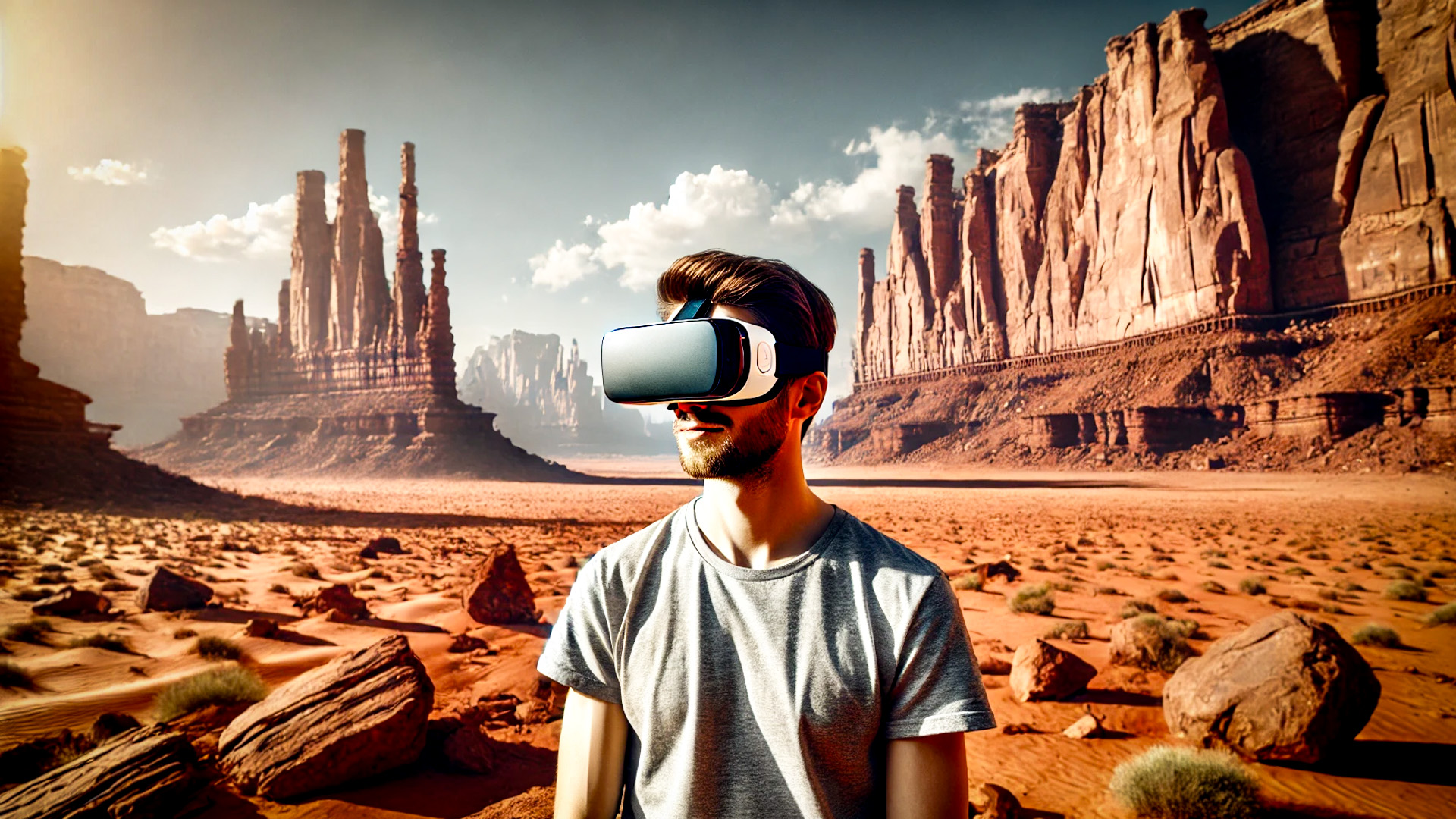
Virtual reality is transforming the landscape of travel, making the world accessible to those who once thought they could never explore it. By breaking down the barriers of physical and financial limitations, VR is revolutionizing how we experience the globe. Whether it’s fulfilling lifelong dreams, providing therapeutic relief, or delivering educational enrichment, VR travel offers a future where everyone, regardless of their circumstances, can embark on journeys to faraway places. The world, in all its beauty, is now within reach, opening new avenues for exploration and connection. As we embrace this technology, we are not just changing the way we travel; we are expanding the very definition of what it means to explore the world.
Author: Elisha Roodt
Redefining the architecture of travel through immersive spatial reality and enterprise tourism solutions, making it possible to explore the world without limits.