
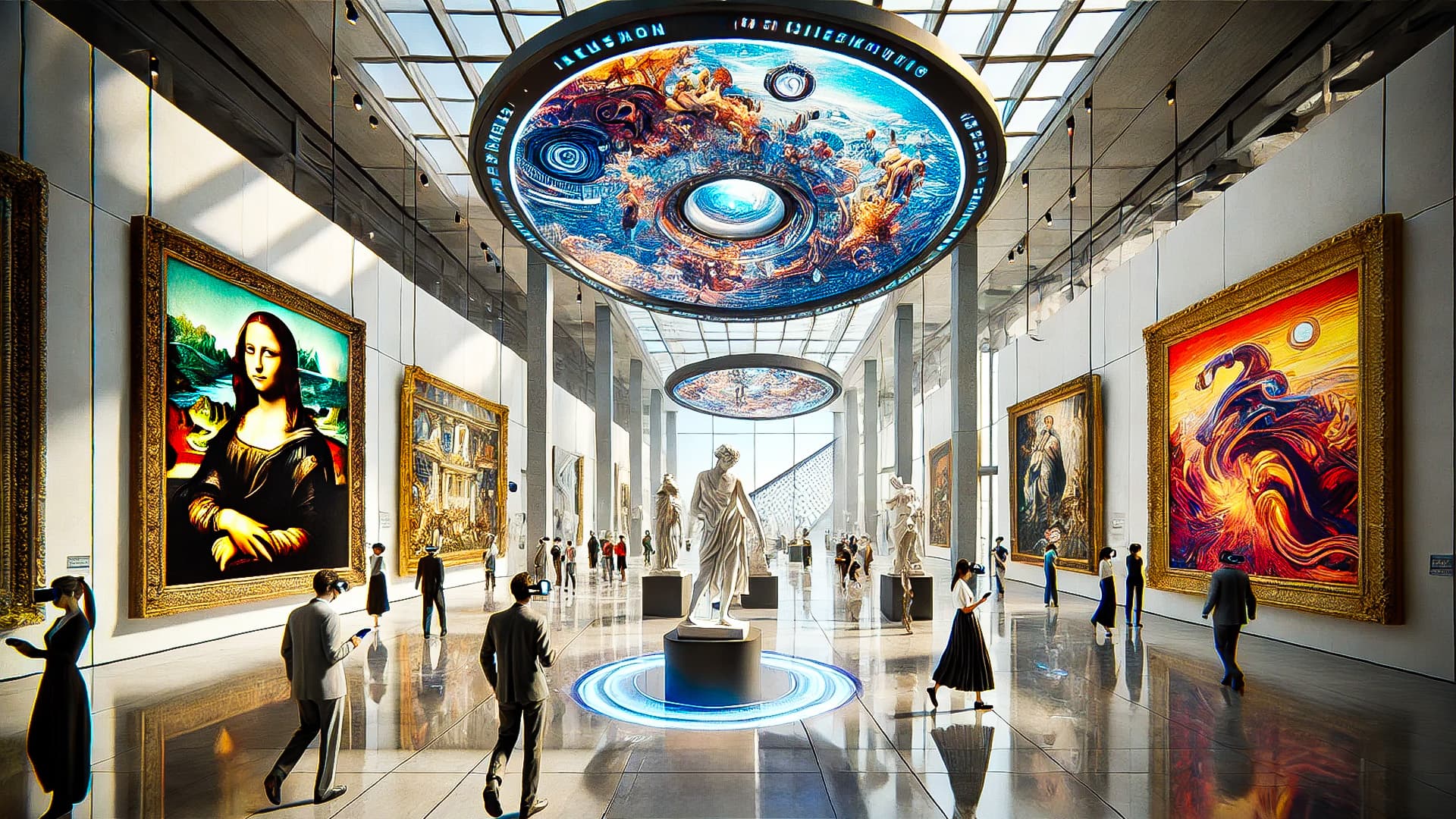
Exploring Virtual Reality in Museums and Art Galleries
In an era where technology permeates every facet of life, the cultural sector is undergoing a profound transformation. The emergence of virtual...
In an era where technology permeates every facet of life, the cultural sector is undergoing a profound transformation. The emergence of virtual reality (VR) has not only redefined how we interact with digital content but has also revolutionized the way art and history are experienced. The cultural domain, historically bound by the physical constraints of space and geography, is now leaping into the virtual realm, making art and historical exhibits accessible to anyone with an internet connection. The convergence of art, culture, and technology is creating new paradigms for how we engage with the world’s most treasured collections.
The Need for Accessibility in the Modern Cultural Landscape
Accessibility has always been a pressing concern for museums and galleries. Traditionally, these institutions have catered to local or visiting audiences, often excluding those unable to physically access their spaces. However, as the global audience becomes more interconnected, the demand for inclusivity and global outreach has intensified. Virtual reality offers an unprecedented solution, allowing museums and galleries to transcend their physical limitations and reach a broader, more diverse audience. VR is not merely a tool but a transformative medium that is reshaping the cultural landscape, offering new ways to experience, interpret, and appreciate art and history.
The need for greater accessibility is driven by several factors. First, the digital age has fostered an expectation that cultural content should be available online, in real-time, and on demand. Secondly, the global nature of today’s audience means that cultural institutions can no longer afford to think locally. Museums and galleries are now tasked with reaching audiences across continents, which demands a shift in how they present their collections. Thirdly, the rise of digital natives—people who have grown up with technology—has created a demand for interactive, immersive experiences that traditional exhibitions cannot easily provide.
Virtual Reality as a Gateway to Global Audiences
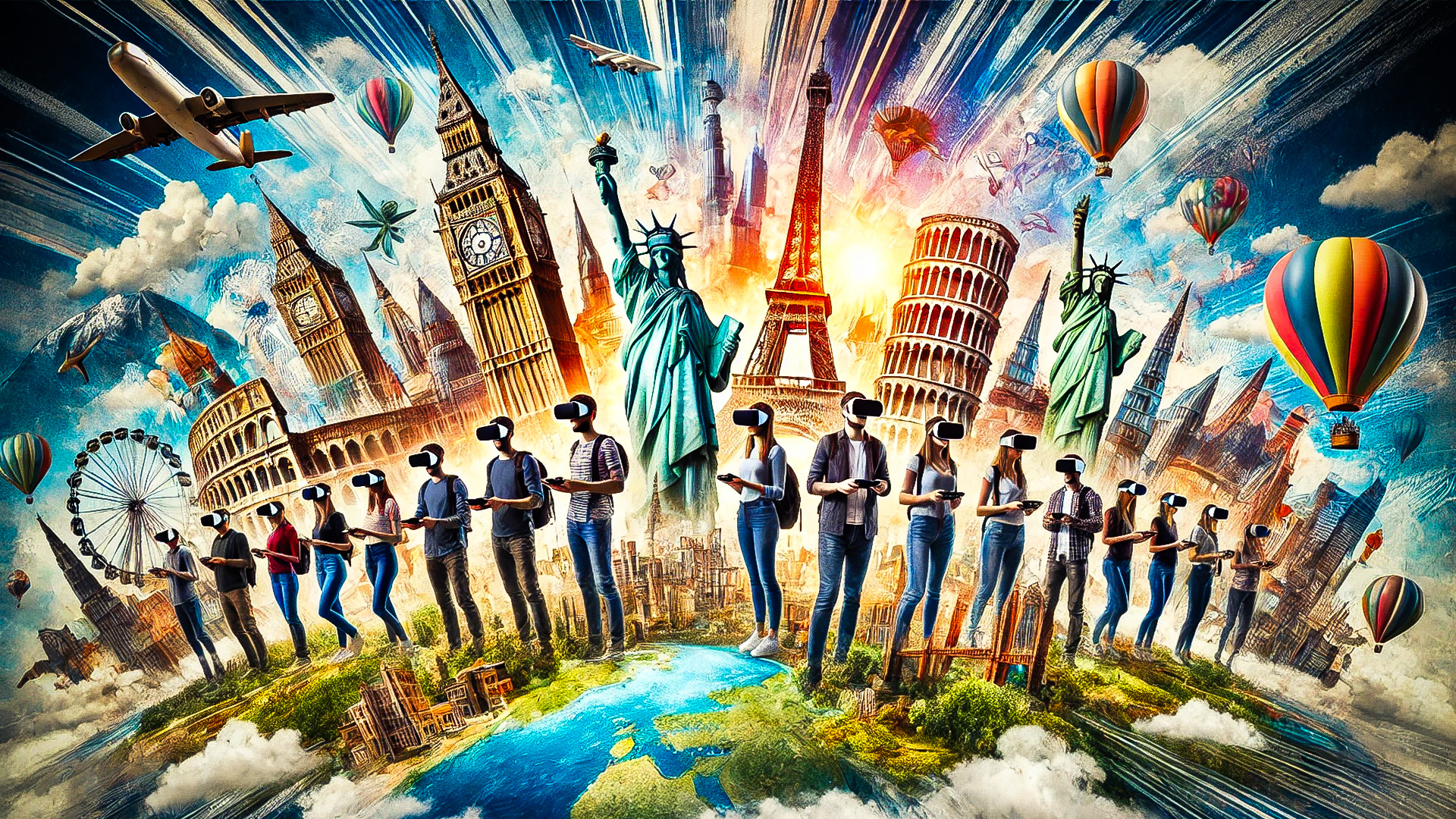
The expansion of cultural experiences beyond physical boundaries is one of the most significant advancements in the museum and gallery sectors. Virtual reality serves as a gateway, opening doors to cultural treasures that were once geographically confined. Through VR, a visitor in Tokyo can explore the Louvre in Paris, or a student in Nairobi can walk through the halls of the Smithsonian in Washington, D.C., all without leaving their home. This global accessibility is democratizing art and history, offering everyone an opportunity to engage with cultural heritage, regardless of their location or socioeconomic status.
The democratization of access is particularly poignant in today’s world, where travel can be limited by numerous factors—economic, political, or even health-related. Virtual reality breaks down these barriers, allowing individuals from all walks of life to immerse themselves in the world’s cultural wonders. Museums and galleries are no longer exclusive domains but are becoming virtual commons where knowledge and beauty are shared globally. Institutions such as the British Museum and the Guggenheim are leading the way, offering VR experiences that allow global audiences to engage with their collections in ways that were previously unimaginable.
One of the most compelling aspects of VR is its ability to bring cultural experiences to individuals who may never have the opportunity to visit these sites in person. For example, a person living in a remote area with limited access to museums can, through VR, explore the same exhibitions as someone living in a cultural hub like New York or London. This ability to transcend geographical limitations is not just about convenience; it is about equality of access. VR is leveling the playing field, ensuring that everyone, regardless of their location, can participate in the global cultural conversation.
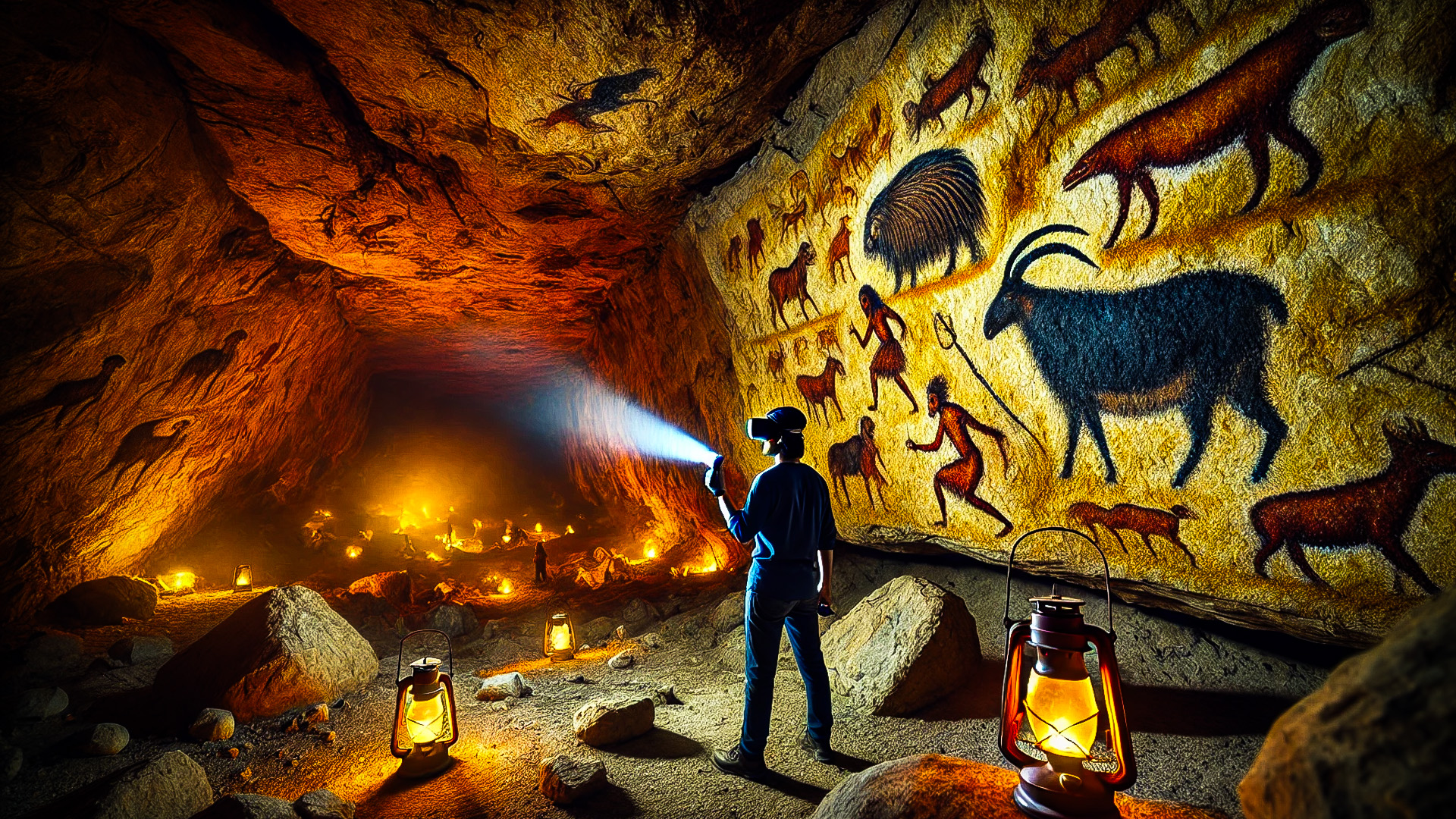
The Evolution of Virtual Tours: From Traditional to Immersive Experiences
The journey from traditional online galleries to immersive 3D experiences marks a significant evolution in how museums and galleries engage with their audiences. Initially, virtual tours were simple, static representations of gallery spaces—often just a series of photographs stitched together to provide a basic sense of place. However, as technology advanced, these rudimentary tours evolved into dynamic, interactive experiences that mimic the sensation of walking through a museum or gallery.
Interactive VR tours enhance visitor engagement by offering a more immersive and personalized experience. Unlike traditional tours, where visitors passively observe, VR tours encourage active participation. Users can navigate through exhibits at their own pace, zoom in on artwork for a closer look, or access detailed information with a simple gesture. These tours often incorporate elements of gamification, turning the exploration of art and history into an interactive, educational journey. Notable examples include the VR tours offered by the Vatican Museums and the National Gallery of Art, which have set new standards for virtual cultural experiences.
The shift from static to dynamic virtual tours reflects a broader trend in the digital world towards interactivity and immersion. Users no longer want to be passive recipients of content; they want to engage with it, explore it, and shape their own experiences. VR is perfectly suited to meet this demand, offering a level of interactivity that is unmatched by other mediums. As a result, virtual tours are no longer just a supplementary offering; they are becoming a central component of the museum and gallery experience.
The impact of these immersive experiences goes beyond simply providing a new way to view art. They fundamentally change how we interact with cultural content. For instance, VR can simulate the experience of being in a particular historical period, allowing visitors to not only see artifacts from that time but to feel as if they are actually there. This level of immersion can lead to a deeper understanding and appreciation of the content, as it engages multiple senses and creates a more personal connection with the material.
Curating Virtual Exhibitions: Challenges and Innovations
Curating for a virtual space presents unique challenges that differ significantly from traditional exhibition design. The primary challenge lies in maintaining the integrity of the experience while adapting it to a digital format. In a physical space, the placement of objects, lighting, and even the flow of visitor movement are meticulously planned to evoke a certain ambiance or narrative. Translating this into a virtual environment requires a deep understanding of both the art and the technology, ensuring that the virtual exhibition retains the emotional and intellectual impact of the physical one.
One of the key challenges is the loss of physicality. In a museum, the physical presence of an object—the way it occupies space, its texture, and its scale—can have a profound impact on the viewer. In a virtual environment, this physicality is difficult to replicate. Curators must find ways to convey the same sense of presence and impact through digital means, such as through the use of 3D modeling, lighting effects, and interactive elements.
Despite these challenges, innovative approaches are emerging to create immersive and engaging virtual exhibitions. Museums and galleries are experimenting with different forms of interactivity, such as allowing visitors to manipulate 3D models of artifacts, explore hidden details using augmented reality overlays, or even participate in live, virtual tours guided by curators. Digital curators are becoming pivotal figures in this landscape, combining expertise in art history with technical skills to craft experiences that are as compelling as they are accessible. The role of the curator is evolving, and those who can master both the art and the science of VR will shape the future of virtual exhibitions.
One of the most exciting innovations in virtual curation is the use of artificial intelligence (AI) to enhance the visitor experience. AI can be used to create personalized tours based on a visitor’s preferences, provide real-time translations of exhibit labels, or even generate virtual guides that interact with visitors in a natural, conversational manner. These AI-driven experiences can make virtual exhibitions more engaging and accessible, particularly for international audiences or those with specific accessibility needs.
Another innovation is the integration of VR with other emerging technologies, such as augmented reality (AR) and mixed reality (MR). While VR immerses the user in a completely digital environment, AR and MR blend the physical and digital worlds, allowing users to interact with virtual objects in the real world. This opens up new possibilities for curators, who can create experiences that bridge the gap between the physical and virtual realms, offering visitors a seamless blend of both.
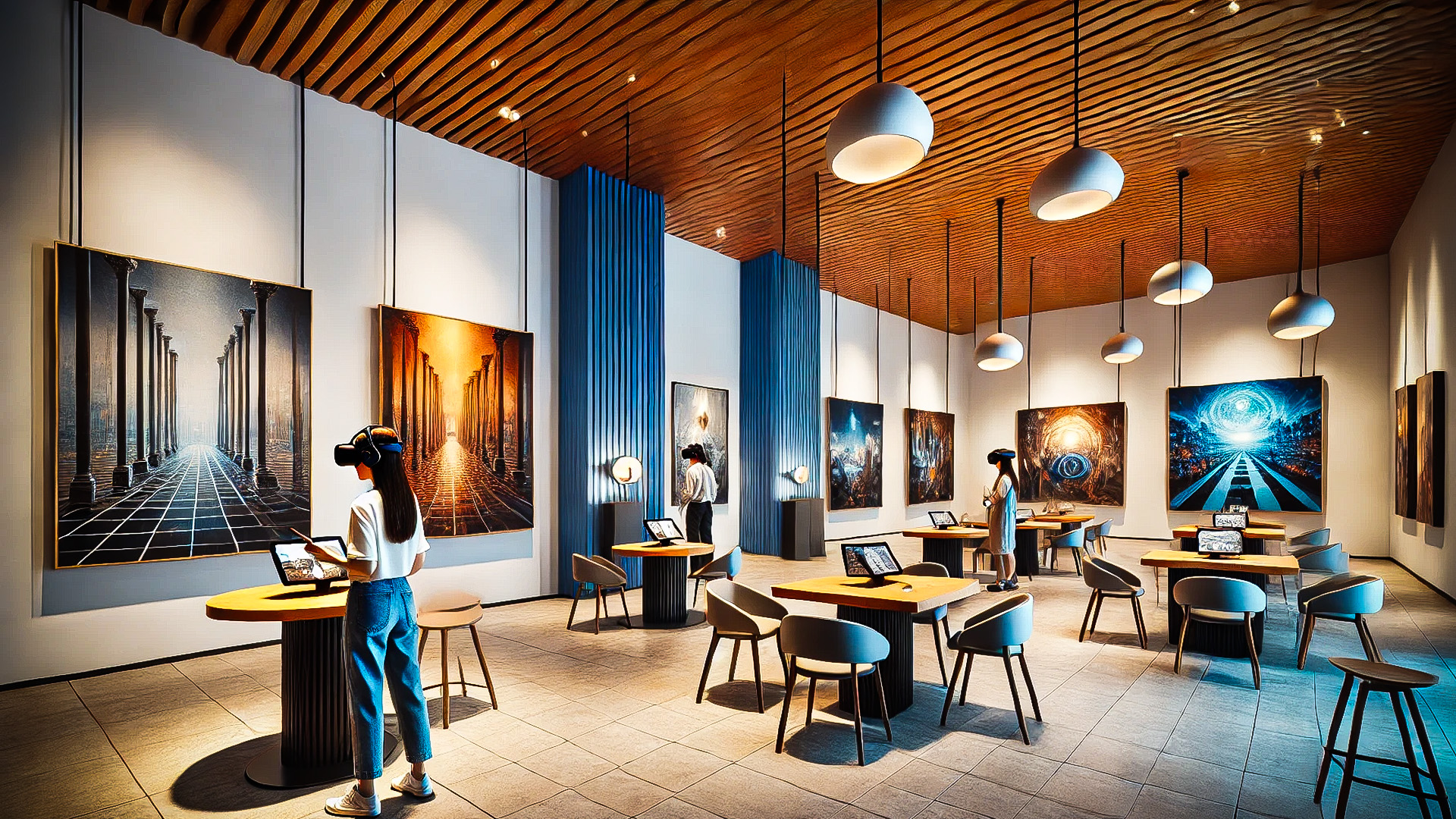
Enhancing Education and Learning Through VR in Museums
Education has always been at the heart of the museum experience, and virtual reality is taking this educational mission to new heights. VR is a powerful tool for interactive learning, providing opportunities for experiential education that traditional methods cannot match. By immersing students in a virtual environment, VR enables them to explore complex historical events, understand cultural contexts, and engage with abstract concepts in a tangible way. This hands-on approach to learning is particularly effective for younger audiences, who are often more engaged by interactive, sensory-rich experiences than by traditional lectures or textbooks.
One of the most significant advantages of VR in education is its ability to create immersive, experiential learning environments. For example, a history student can use VR to walk through a reconstructed ancient city, exploring its streets, buildings, and monuments as they would have appeared thousands of years ago. This type of experiential learning can make history come alive in ways that traditional textbooks cannot, helping students to develop a deeper understanding of the material.
In addition to interactive learning, VR serves as a potent storytelling tool, bringing history to life through vivid, immersive reenactments. Museums can use VR to recreate historical events, allowing visitors to witness moments from the past as if they were there. This not only deepens understanding but also fosters empathy, as visitors experience history from the perspectives of those who lived it. Furthermore, many museums are collaborating with educational institutions to integrate VR into curriculums, providing students with access to high-quality, immersive content that complements their studies and enriches their understanding of the world.
The educational potential of VR is not limited to history. It can be applied across a wide range of subjects, from science and technology to art and literature. For example, in a science museum, VR can be used to take visitors on a journey through the human body, exploring the inner workings of cells, organs, and systems in a way that is both visually stunning and scientifically accurate. In an art museum, VR can allow visitors to step inside a famous painting, exploring the scene from different angles and gaining new insights into the artist’s techniques and intentions.
The impact of VR on education extends beyond the museum walls. Schools and universities are increasingly adopting VR as a teaching tool, using it to create immersive learning experiences that can be accessed from anywhere in the world. This is particularly valuable for students in remote or underserved areas, who may not have access to physical museums or other cultural institutions. By bringing these experiences into the classroom, VR is helping to bridge the educational divide, ensuring that all students have access to high-quality cultural and educational resources.
Preserving Art and Cultural Heritage in the Digital Age
The preservation of art and cultural heritage is another area where VR is making significant contributions. Digital preservation techniques are crucial for safeguarding vulnerable artifacts, particularly those that are at risk due to environmental factors, political instability, or the passage of time. VR allows museums to create detailed, 3D replicas of their collections, ensuring that even if the physical objects are lost or damaged, their digital counterparts will remain. These digital replicas can be used for research, education, and even virtual exhibitions, making them a valuable resource for both museums and the public.
Virtual reality is also playing a crucial role in the preservation of intangible cultural heritage—traditions, languages, and practices that are often passed down orally or through practice. VR can capture and preserve these cultural expressions in a way that traditional methods cannot, allowing future generations to experience and learn from them. This is particularly important for cultures that are at risk of disappearing, as VR can ensure that their traditions are not lost to history.
One of the most promising applications of VR in preservation is its ability to recreate environments that no longer exist. For example, VR can be used to reconstruct ancient cities, allowing users to explore them as they once were. This not only preserves the knowledge of these places but also provides valuable insights for researchers, who can study the virtual reconstructions to gain a better understanding of the past. These virtual reconstructions can also be used in exhibitions, allowing visitors to step back in time and experience history in a way that is both educational and engaging.
Another important aspect of digital preservation is accessibility. By creating digital versions of their collections, museums can make their content available to a global audience, regardless of physical location. This is particularly valuable for rare or fragile artifacts that cannot be easily transported or displayed. Digital preservation ensures that these treasures can be shared with the world, while also protecting them for future generations.
The Future of Virtual Reality in Cultural Institutions
As we look to the future, it is clear that virtual reality will play an increasingly important role in the cultural sector. The ongoing advancements in VR technology—such as improved graphics, more immersive environments, and more intuitive interfaces—will continue to enhance the visitor experience. As these technologies evolve, they will enable museums and galleries to create even more compelling and accessible cultural experiences.
Looking ahead, it is likely that virtual reality will become an integral part of the cultural sector, offering new ways to experience and engage with art and history. The potential for VR to transform the cultural sector is vast, from creating immersive, interactive exhibits to enabling global accessibility to cultural treasures. As VR technology continues to advance, it will open up new possibilities for museums and galleries, allowing them to reach wider audiences and offer more engaging, educational experiences.
As the cost of VR technology decreases, it will become more accessible to smaller museums and cultural institutions, allowing them to create their own virtual experiences and reach global audiences. This democratization of VR technology will help to level the playing field, ensuring that all cultural institutions, regardless of size or budget, can participate in the virtual revolution.
Virtual reality is more than just a tool for creating digital replicas of physical spaces; it is a transformative force that is reshaping the cultural sector. By making art and history more accessible, engaging, and immersive, VR is opening up new possibilities for museums and galleries. As we continue to explore the potential of this technology, we can look forward to a future where cultural experiences are not bound by physical constraints, but are limited only by our imagination.
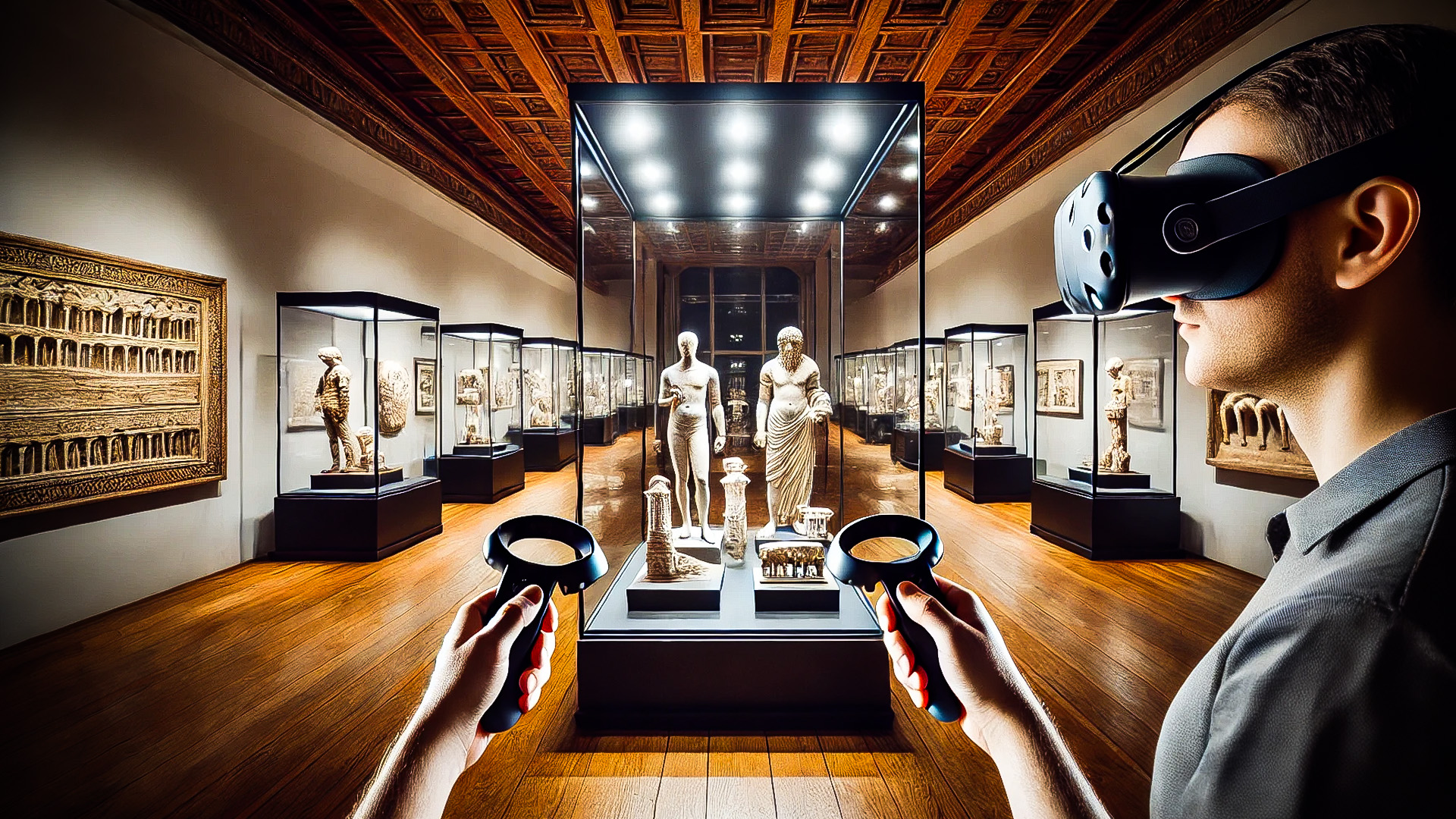
The Future Of Virtual Reality In Cultural Institutions
Author: Elisha Roodt
Redefining the architecture of travel through immersive spatial reality and enterprise tourism solutions, making it possible to explore the world without limits.