
The Role of Virtual Tourism in Education
The landscape of education has evolved dramatically over the centuries, transitioning from rudimentary chalkboards to the immersive possibilities...
The landscape of education has evolved dramatically over the centuries, transitioning from rudimentary chalkboards to the immersive possibilities offered by modern technology. Once confined to textbooks and traditional classrooms, learning has now entered a new era where digital tools provide unparalleled opportunities for exploration and engagement. Among these innovations, Virtual Reality (VR) stands out as a transformative medium, especially in the realm of virtual tourism. This cutting-edge approach to learning transcends geographical boundaries, allowing students to experience history, geography, and culture as if they were physically present in far-flung locales.
Virtual tourism is not merely a futuristic novelty; it is a game-changer in the educational sphere. By blending the allure of travel with the rigor of academic study, VR travel experiences offer an immersive way to engage with content that traditional methods simply cannot match. Whether exploring ancient civilizations, traversing diverse landscapes, or immersing in foreign cultures, students can now broaden their horizons without ever leaving the classroom. This shift represents a profound change in how educators can present complex subjects, making them more tangible and relatable for students of all ages.
Understanding Virtual Tourism
Virtual tourism, at its core, is the digital replication of travel experiences through immersive technology. It leverages Virtual Reality (VR) to create a simulated environment that users can explore and interact with as though they were actually there. This technology encompasses everything from 360-degree videos to fully interactive VR environments, all designed to offer an authentic experience of a location or event. By donning a VR headset, students can be instantly transported to any corner of the globe, whether that means standing amidst the ruins of ancient Rome, exploring the Amazon rainforest, or attending a traditional Japanese tea ceremony.
The technology behind virtual tourism is both sophisticated and accessible. VR headsets, once considered niche gadgets, have become more affordable and user-friendly, making them viable tools in the classroom. Coupled with specialized software, these headsets provide a gateway to meticulously crafted virtual environments. These environments are not only visually accurate but are also enhanced with auditory cues, interactive elements, and educational annotations that enrich the learning experience. Furthermore, the growing library of VR content, ranging from historical reconstructions to geographical simulations, ensures that educators have a wide array of resources to draw upon.
The Benefits of Virtual Tourism in Education
One of the most compelling benefits of virtual tourism in education is its ability to enhance student engagement through immersive learning experiences. Traditional educational tools often struggle to capture the attention of today’s digital-native students, who are accustomed to dynamic, interactive media. In contrast, VR offers a multisensory experience that can captivate even the most disengaged learners. By placing students in the middle of the action, VR fosters a deeper connection to the material, making lessons more memorable and impactful.
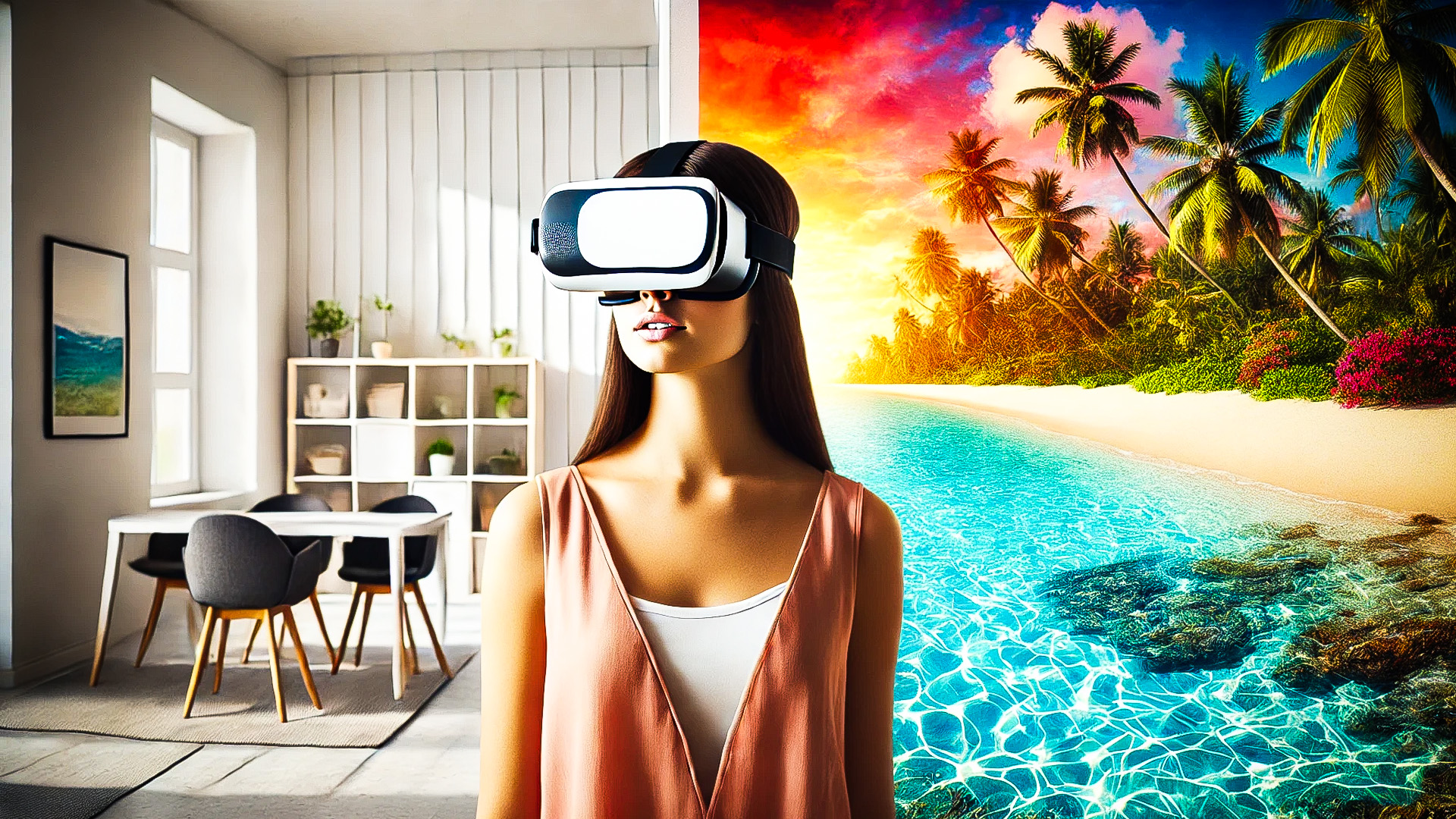
Virtual tourism also excels at breaking down barriers in education, particularly those related to accessibility and inclusivity. Not all students have the means or opportunity to travel, especially to distant or remote locations. VR levels the playing field, offering all students the chance to explore the world beyond their immediate surroundings. This is especially crucial in global education, where understanding different cultures and environments is key to fostering a well-rounded worldview. With virtual tourism, a student in a rural classroom can explore urban landscapes, while an inner-city student can experience the tranquility of natural wonders—all without the constraints of physical travel.
Another significant advantage of virtual tourism is its ability to foster multidisciplinary learning. Traditional education often compartmentalizes subjects, but VR allows for a more integrated approach. For example, a virtual tour of the Great Wall of China can simultaneously teach students about history, geography, engineering, and culture. This holistic learning experience not only deepens understanding but also helps students make connections between different areas of study, promoting critical thinking and a more comprehensive grasp of the material.
Teaching History Through Virtual Tourism
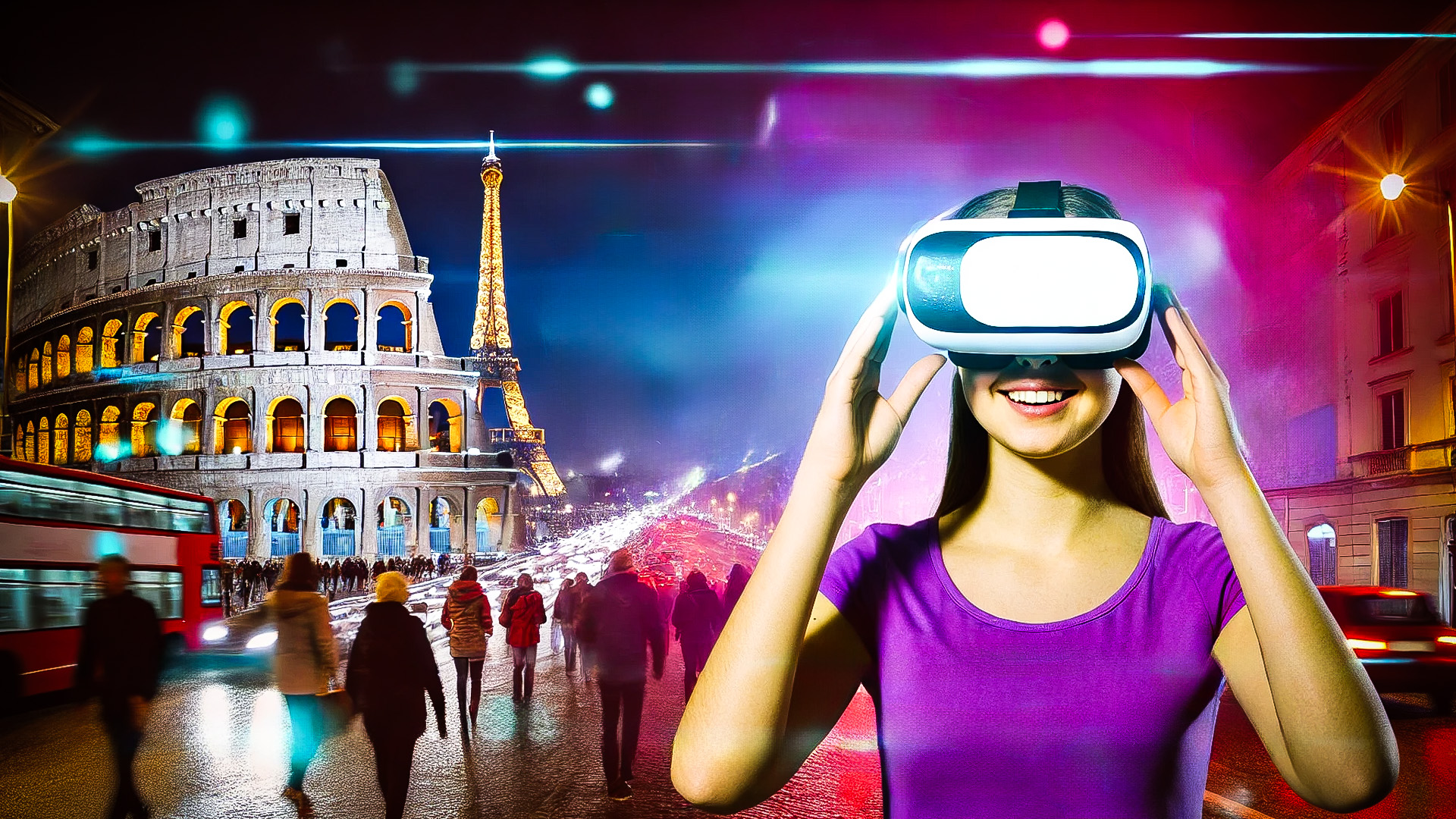
The study of history is transformed through virtual tourism, which brings historical events and eras to life in three dimensions. Rather than passively reading about ancient battles or monumental events, students can now virtually step into these moments, gaining a firsthand perspective of the past. For instance, they might explore the bustling streets of Ancient Athens, witness the construction of the Pyramids of Giza, or stand on the deck of a ship during the Age of Exploration. These experiences make history tangible and vivid, bridging the gap between the past and the present.
Schools around the world are increasingly adopting VR to teach history, with impressive results. Case studies reveal that students retain historical information more effectively when they can visualize and interact with the subject matter. In one notable example, a high school in the United States used VR to simulate life during the Civil Rights Movement. Students could walk alongside marchers, attend speeches, and even participate in virtual protests. This immersive approach not only deepened their understanding of the era but also fostered empathy and a personal connection to the struggles and triumphs of that time.
Virtual museum tours represent another innovative application of virtual tourism in history education. Many of the world’s greatest museums now offer VR tours, allowing students to explore their vast collections from the comfort of their classrooms. These tours are often accompanied by detailed information about each exhibit, providing a rich educational experience that rivals an in-person visit. Whether analyzing artifacts from Ancient Egypt or examining Renaissance masterpieces, students can engage with primary sources in a way that was previously unimaginable, enriching their historical knowledge and critical analysis skills.
Geography Lessons Enhanced by Virtual Tourism
Geography, a subject that often struggles to engage students, is reinvigorated by the possibilities of virtual tourism. Virtual field trips offer students the chance to explore diverse landscapes, biomes, and natural wonders without the logistical and financial challenges of real-world travel. Imagine a classroom where students can embark on a journey from the icy tundras of the Arctic to the lush rainforests of the Amazon within a single lesson. VR makes this possible, providing a dynamic and interactive platform for exploring the Earth’s physical features.
Interactive map explorations are another powerful tool enabled by virtual tourism. These digital maps allow students to explore geopolitical boundaries, understand cultural regions, and even visualize changes in the environment over time. By engaging with maps in a virtual space, students can develop a more nuanced understanding of geography that goes beyond memorizing capitals and countries. For example, they can explore the impact of climate change on different regions or examine the cultural and political complexities of contested borders.
Virtual tourism also has the unique ability to expand geographical perspectives from the local to the global. Many students are familiar with their immediate surroundings but have little exposure to the wider world. VR can change this by offering immersive experiences in both urban and rural environments across the globe. By visiting places as diverse as bustling metropolises, serene countrysides, or remote islands, students can gain a broader understanding of the world’s diversity and interconnectedness. This global perspective is essential in today’s increasingly interconnected world, where understanding geography is critical to comprehending global events and trends.
Cultural Education Through Virtual Tourism
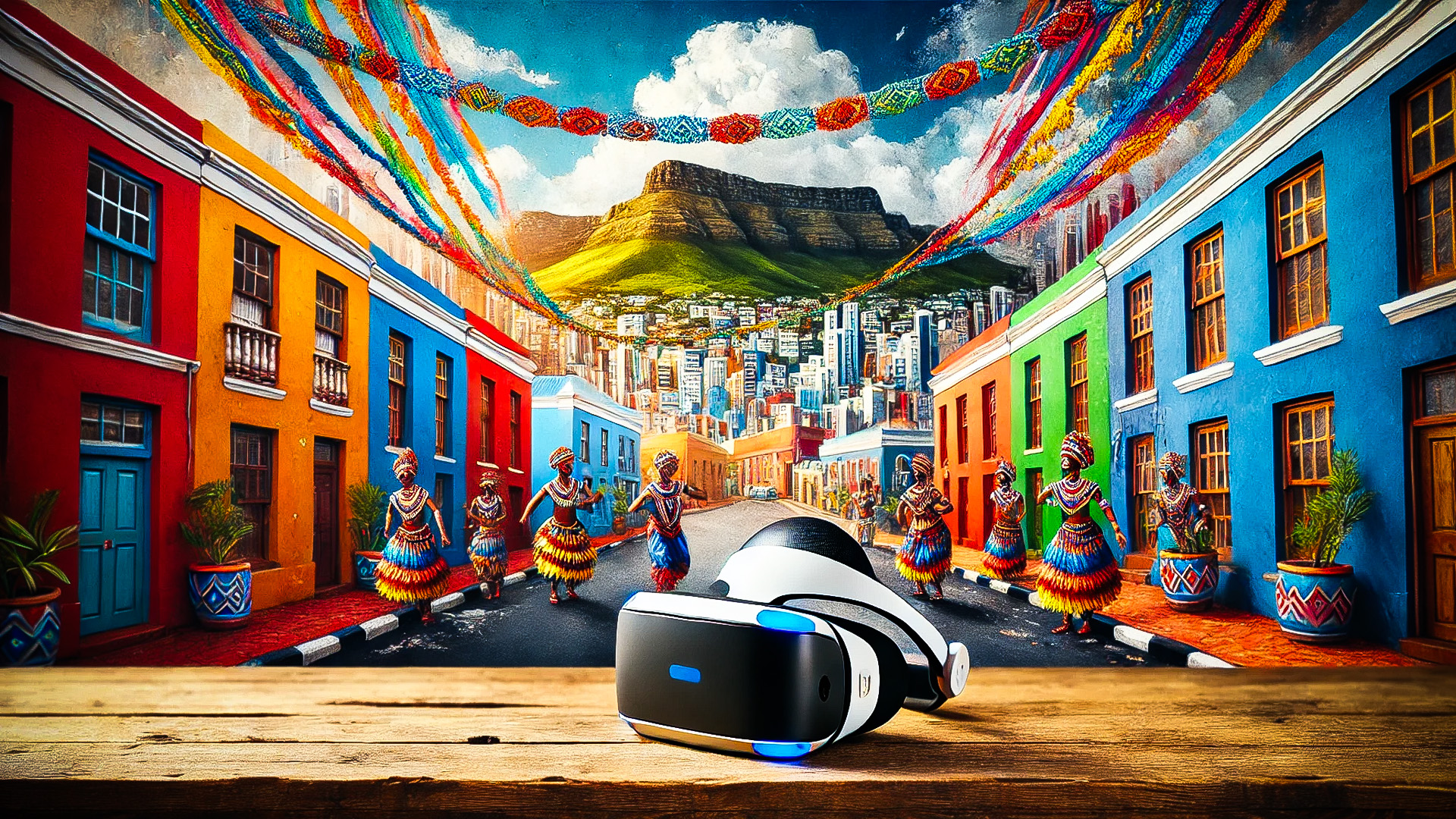
Cultural education is another area where virtual tourism excels, offering students the opportunity to experience diverse cultures in an immersive and engaging way. Through virtual visits to cities, villages, and festivals, students can gain insights into the daily lives, traditions, and customs of people from around the world. These experiences go beyond mere observation; they allow students to participate in cultural rituals, attend local events, and even interact with virtual avatars representing people from different cultural backgrounds. This immersive exposure fosters a deeper appreciation for cultural diversity and promotes intercultural understanding.
Building empathy and understanding is a key outcome of cultural education through virtual tourism. By virtually stepping into the shoes of others, students can develop a more empathetic and nuanced understanding of different ways of life. For example, a VR experience might allow students to visit a refugee camp, providing them with a firsthand perspective on the challenges faced by displaced people. Such experiences can be profoundly impactful, helping students to cultivate a sense of global citizenship and social responsibility.
Language learning is another area where VR can have a significant impact. Traditional language instruction often lacks the cultural context necessary for true fluency. Virtual tourism can fill this gap by offering immersive language experiences that incorporate cultural immersion. For instance, students learning Spanish might virtually visit a market in Mexico City, where they can practice their language skills in a realistic setting, interacting with vendors and navigating the bustling environment. This type of learning not only enhances language proficiency but also deepens cultural understanding, making language learning more relevant and engaging.
Challenges and Future Prospects
While the benefits of virtual tourism in education are clear, there are also challenges that must be addressed. One of the primary limitations is the current state of VR technology, which, despite significant advancements, still faces issues such as high costs, accessibility barriers, and technological limitations. Not all schools have the resources to invest in VR equipment, and even when they do, the technology can be complex to integrate into existing curricula. Moreover, VR experiences can sometimes cause discomfort or disorientation, particularly for younger students, which can limit their effectiveness.
Looking to the future, the prospects for virtual tourism in education are promising. Trends suggest that VR technology will continue to evolve, becoming more affordable, accessible, and user-friendly. Innovations such as haptic feedback, which allows users to feel virtual objects, and advances in AI-driven interactive experiences are likely to further enhance the educational value of virtual tourism. As these technologies develop, the potential impact on education will only grow, offering even more immersive and engaging learning experiences.
However, for virtual tourism to reach its full potential in education, it is essential that teachers receive proper training and that VR is thoughtfully integrated into the curriculum. This means not only providing educators with the technical skills to use VR but also helping them to understand how to effectively incorporate it into their teaching. Curriculum developers will need to create lesson plans that leverage the strengths of VR while addressing its limitations, ensuring that virtual tourism complements rather than replaces traditional teaching methods.
The integration of virtual tourism into educational settings marks a significant shift in how we approach teaching and learning. By offering immersive, engaging, and accessible experiences, virtual tourism has the potential to transform education, making subjects like history, geography, and culture more tangible and relevant for students. As technology continues to evolve, the possibilities for virtual tourism in education will only expand, providing new opportunities for students to explore the world and deepen their understanding of the complex and interconnected global landscape.
The road ahead is filled with promise, but it will require a concerted effort from educators, technologists, and policymakers to fully realize the potential of virtual tourism in education. By embracing these innovations and thoughtfully integrating them into the curriculum, educational institutions can ensure that students are not only well-prepared for the challenges of the 21st century but are also inspired to explore the world beyond their immediate surroundings.
Cultural Education Through Virtual Tourism
Author: Elisha Roodt
Redefining the architecture of travel through immersive spatial reality and enterprise tourism solutions, making it possible to explore the world without limits.